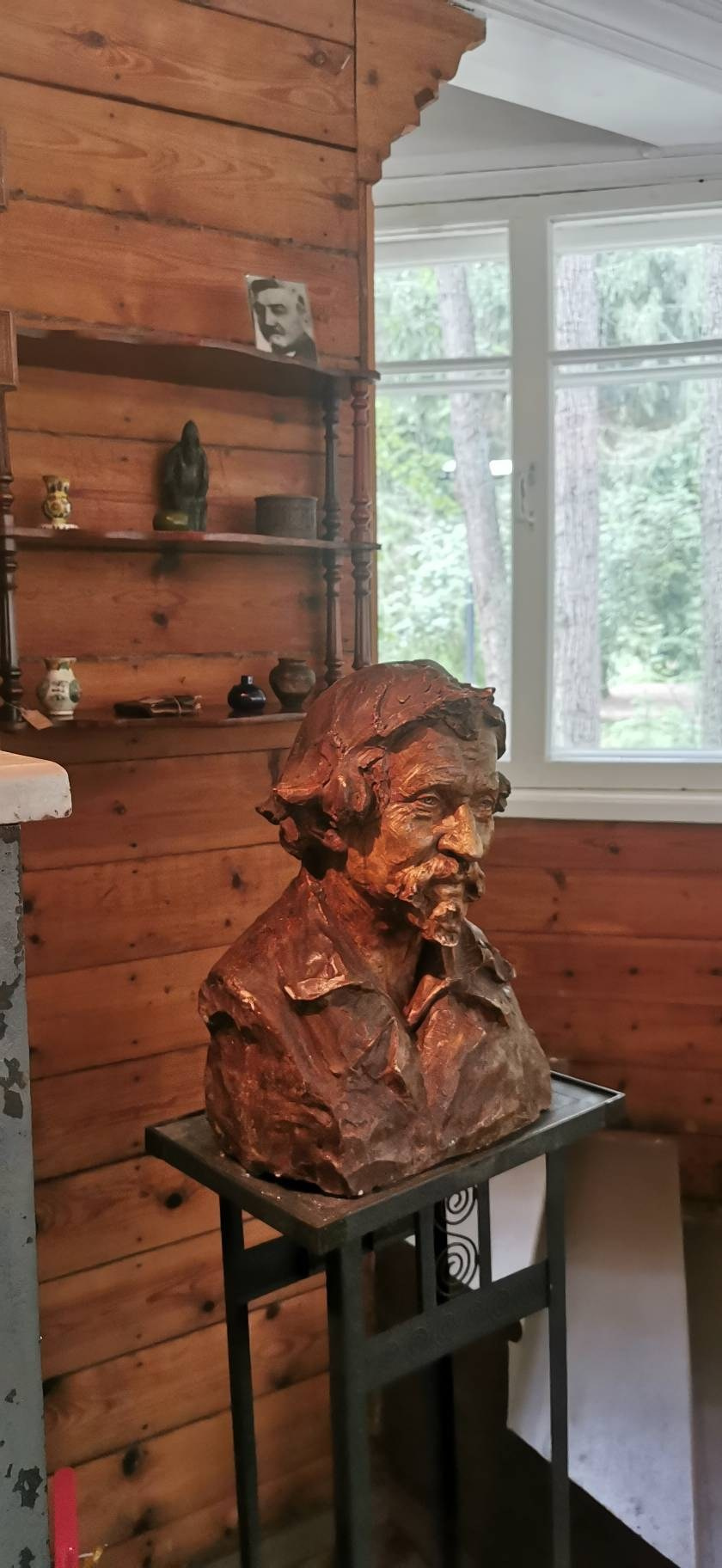
Penates — museum-estate of the artist I. E. Repin
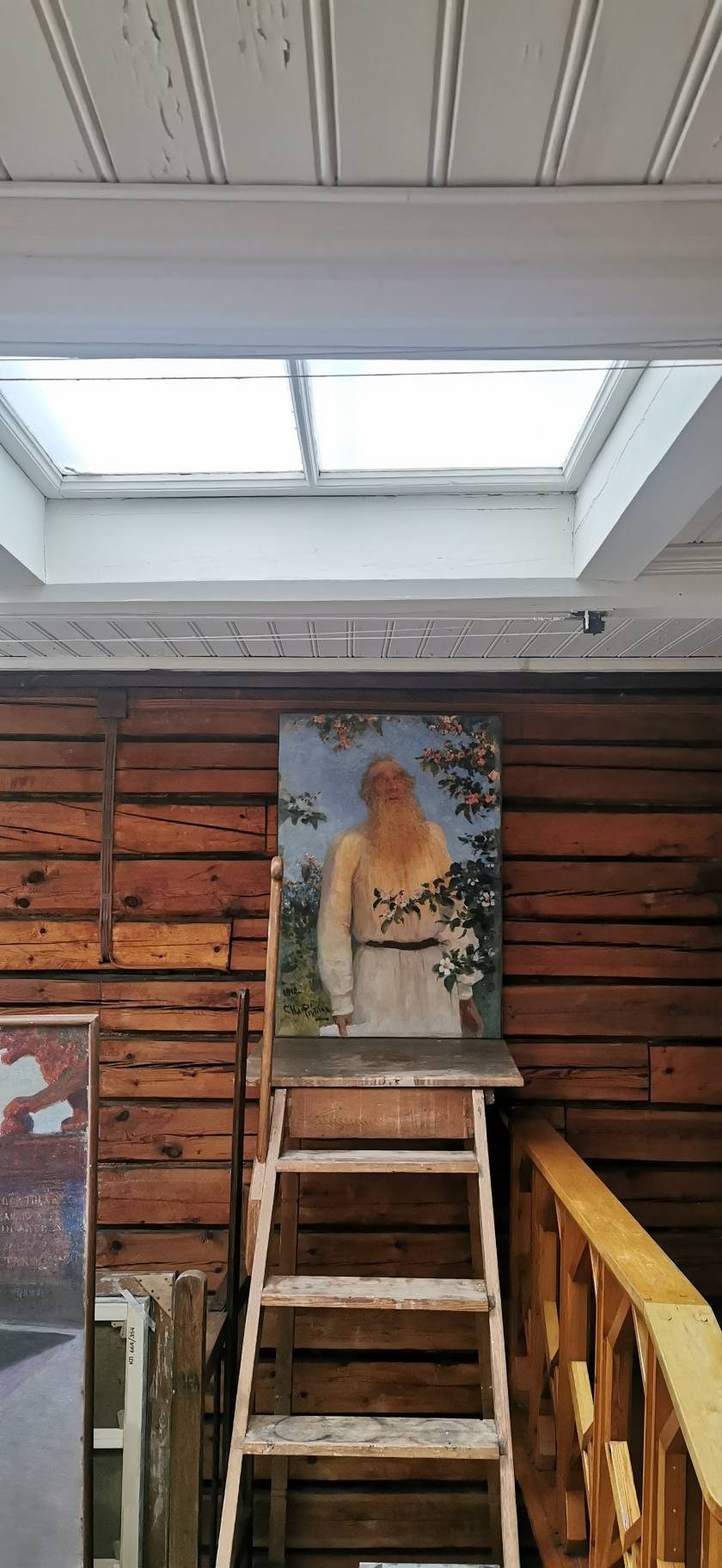
For me, Repin is a classic of Russian painting, an iconic figure of the 19th and 20th centuries, a man who did so much for his country. In this post, I will try to tell you about him and the place where he spent his last years — the Penates.
Every time I turn to Repin’s biography, I discover new facts.
He lived a very long life — 86 years, becoming one of the long-lived artists.
In the middle of his career, he had a stroke that left his right hand unable to draw anymore. He started drawing with his left hand, which was a real feat.
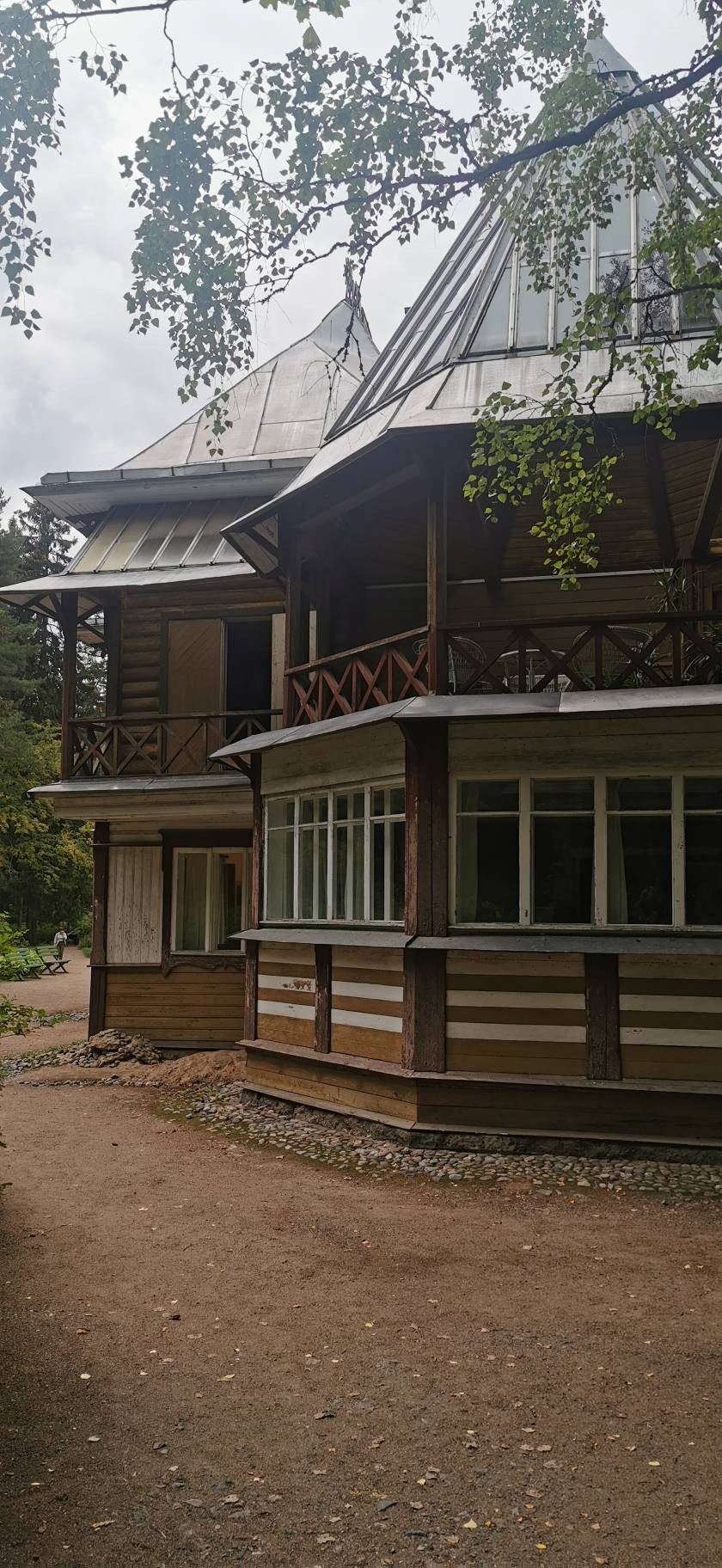
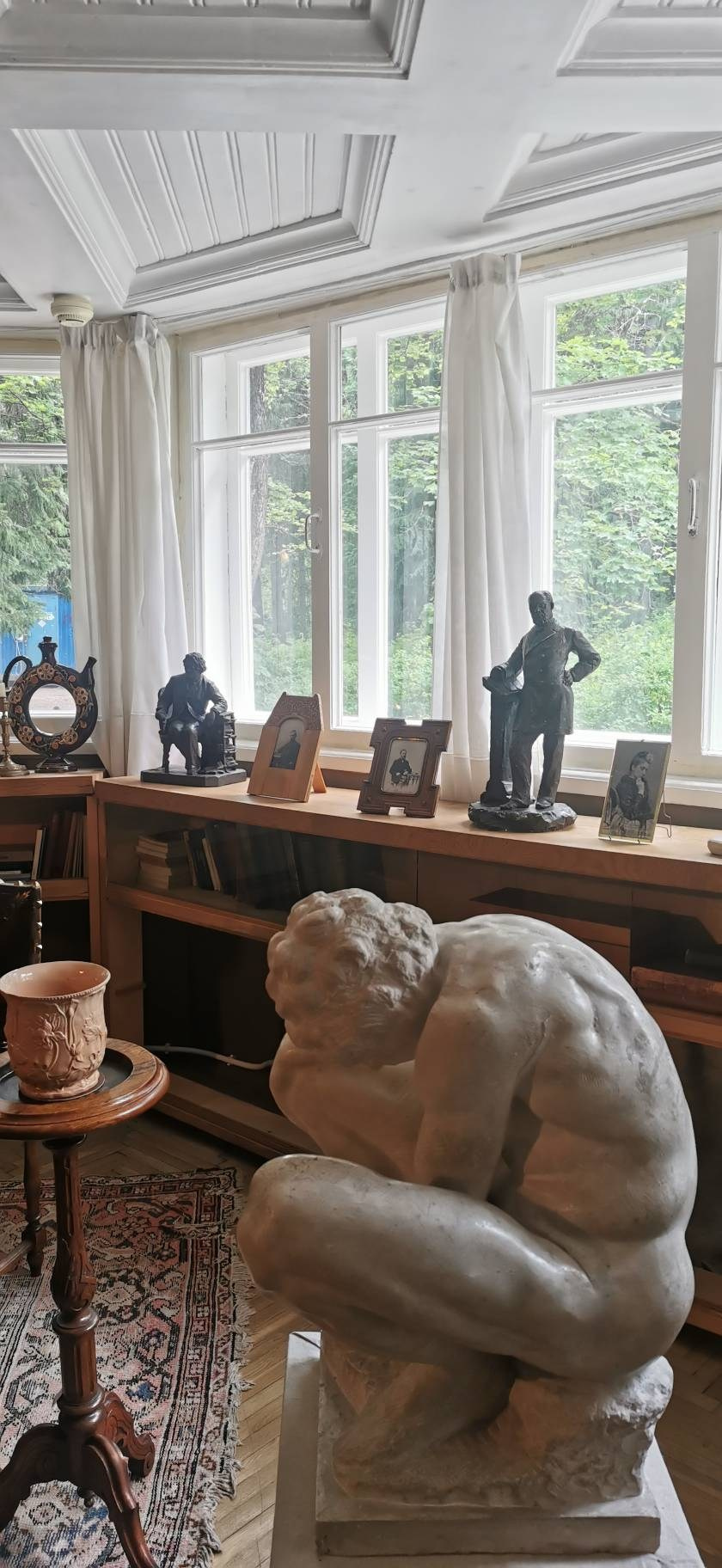
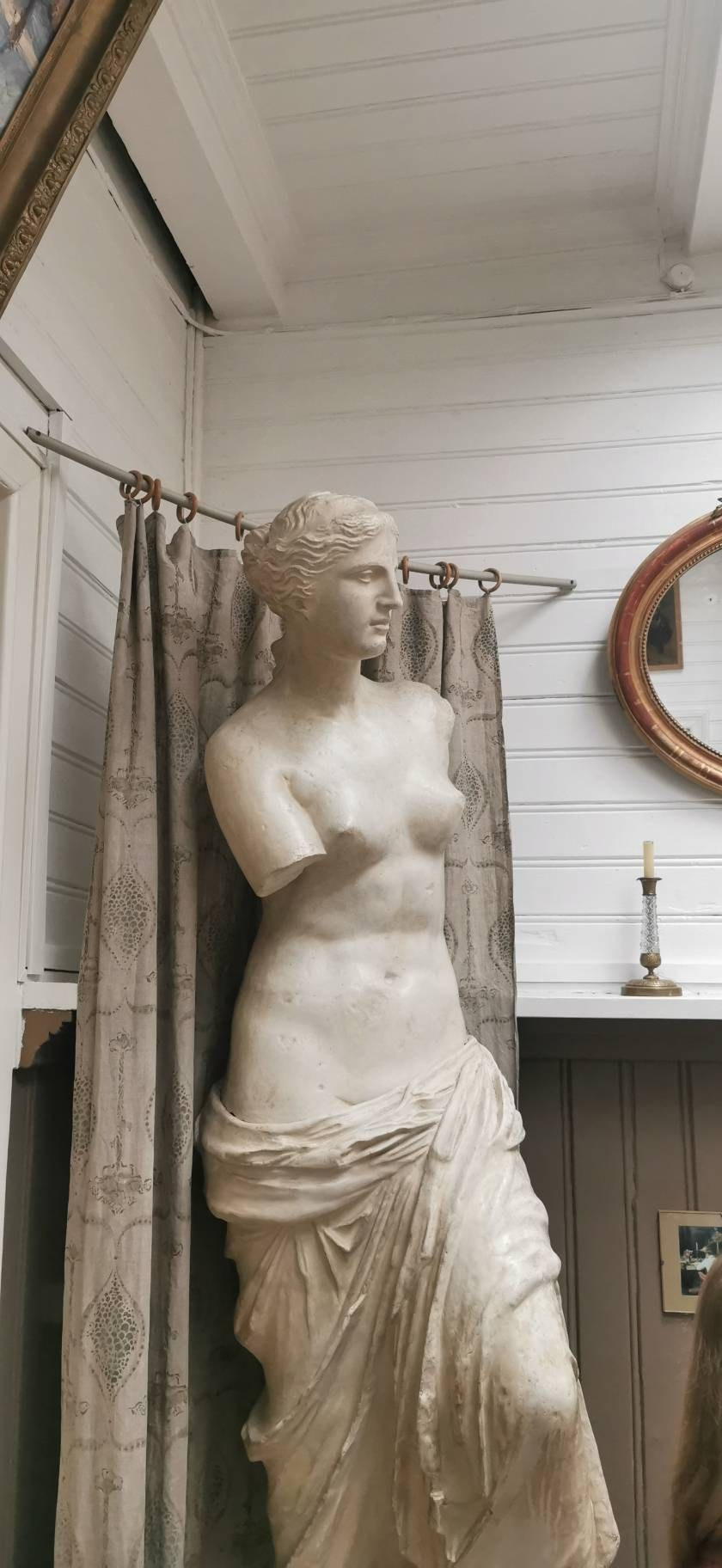
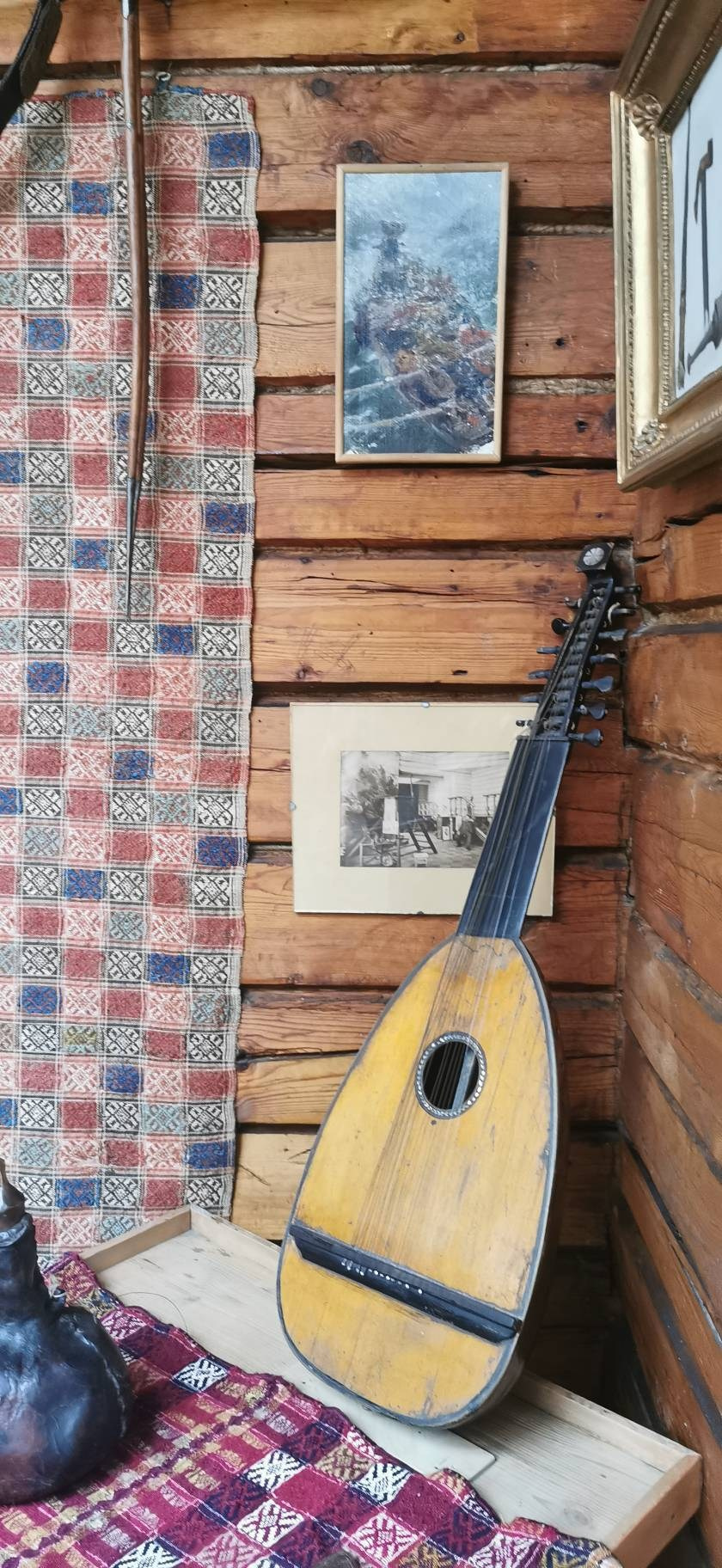
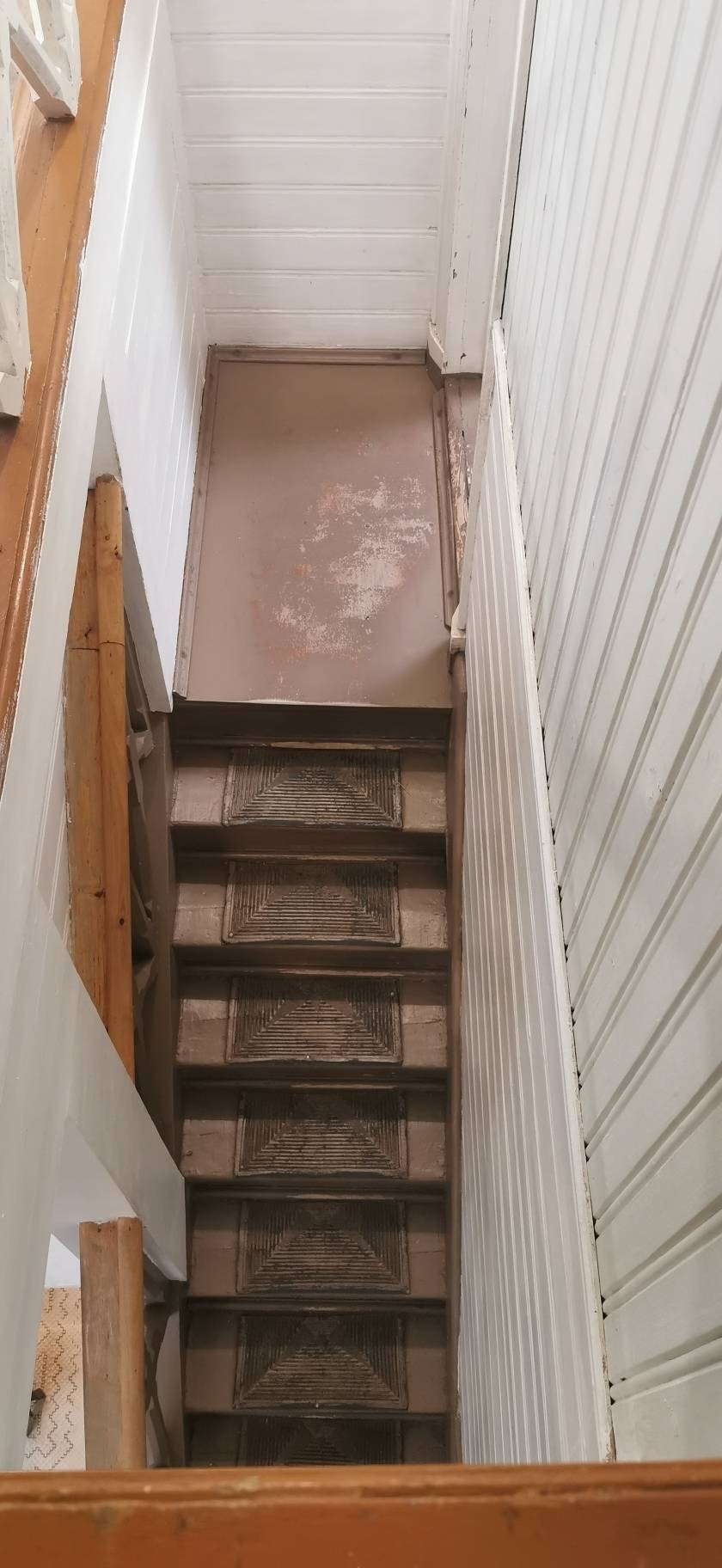
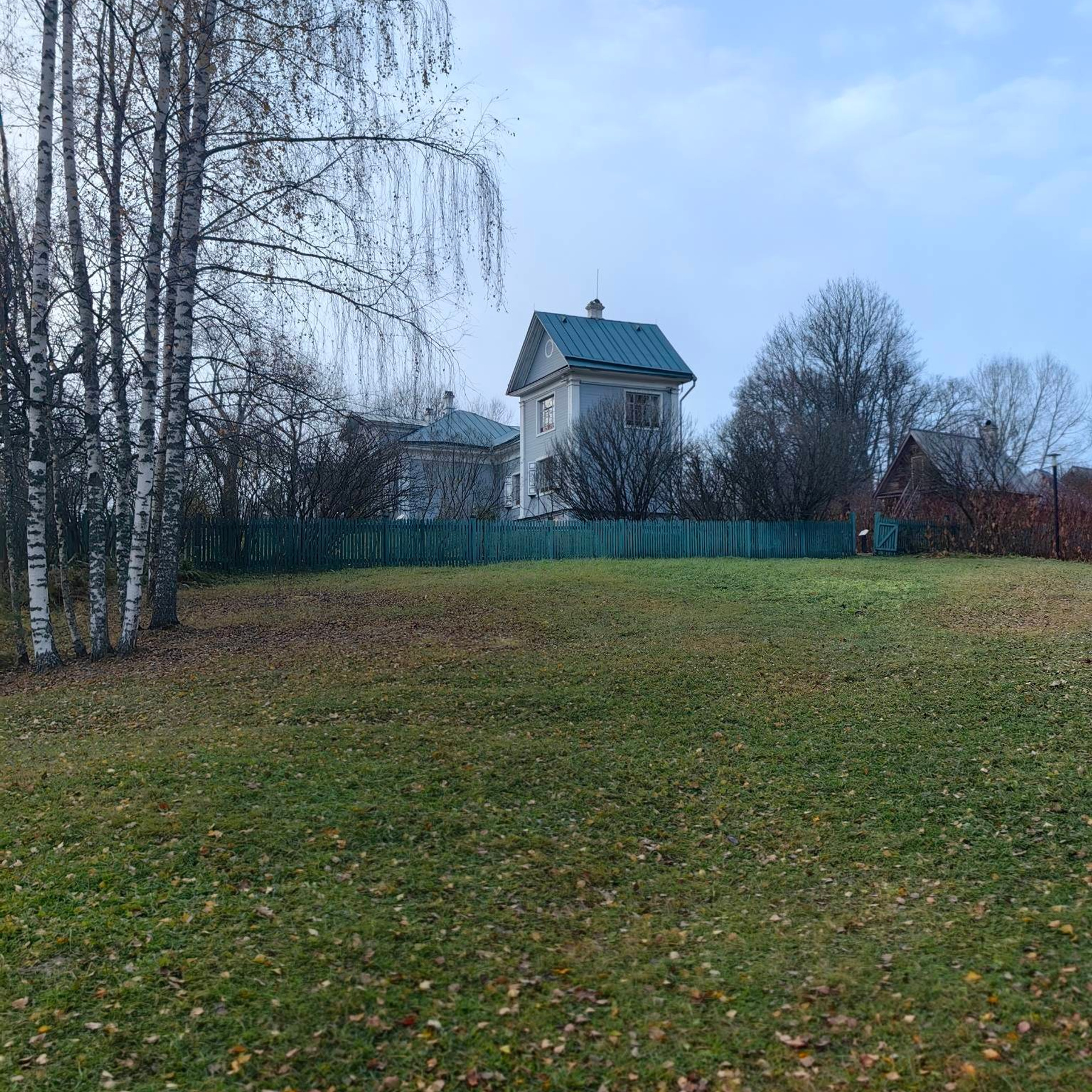
Repin has not spent the last 30 years in Russia, and in The Penates, which were then located on the territory of Finland. Now it is the museum-estate of I. E. Repin, located 45 kilometers from St. Petersburg, in the village of Repino (formerly Kuokkala), on the shore of the Gulf of Finland. The first time we couldn’t get into the manor, as it was closed. But after a couple of days, we got lucky and were able to meet the amazing people who are the guardians of this place. For them, the Penates have become something sacred.
In the Penates, Repin lived quite progressively by the standards of that time. I quote the words of the poet David Burliuk:
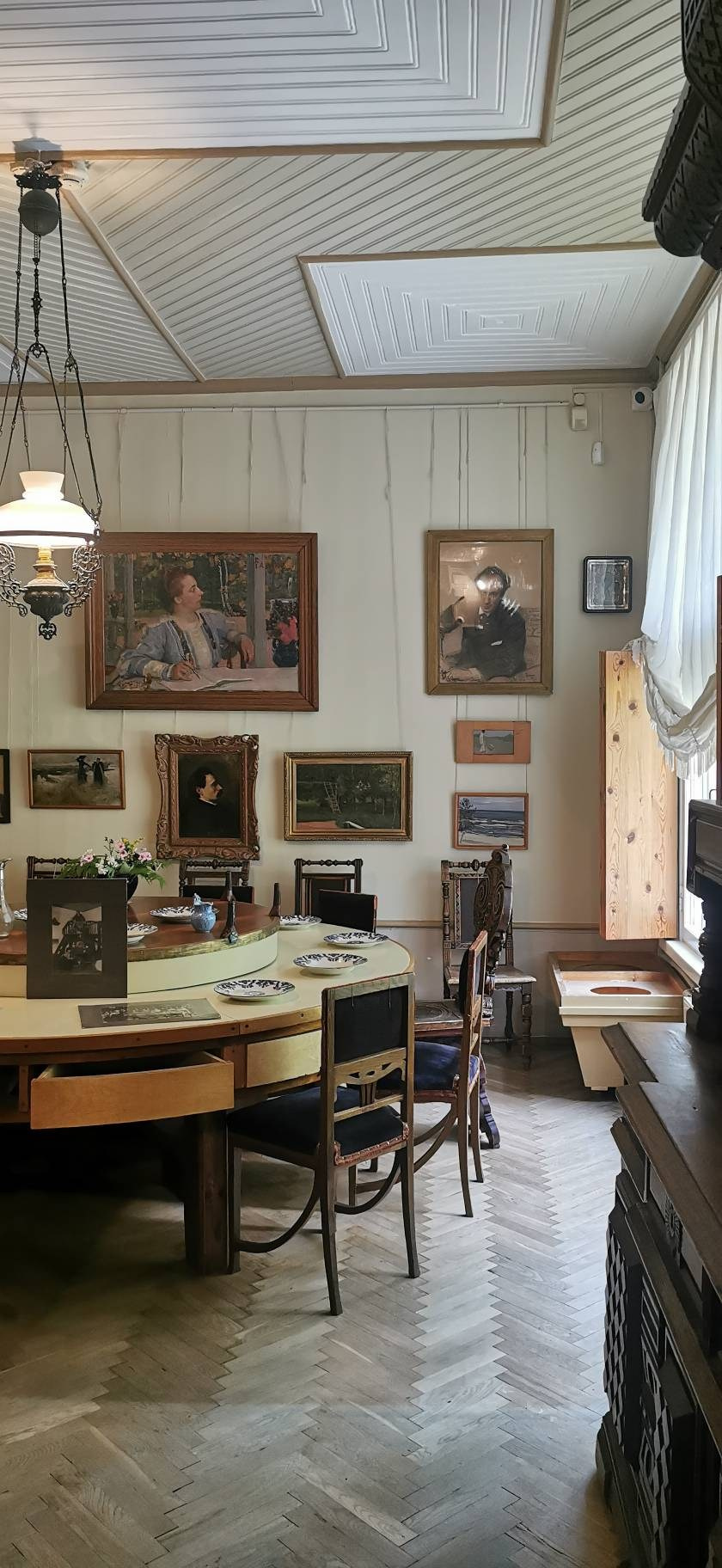
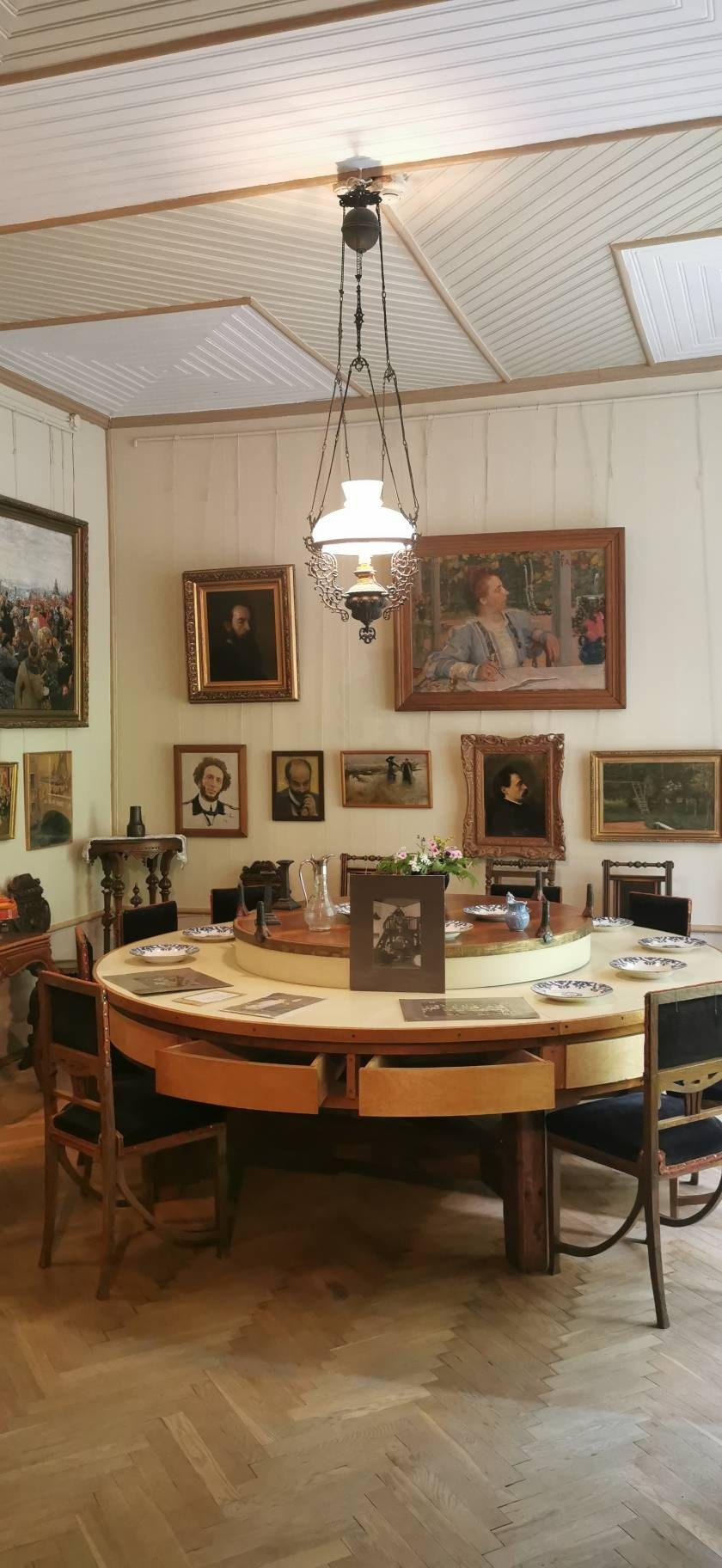
“There were no servants according to the etiquette of the Penates. The round table where the diners were sitting and the dishes were set was stationary, but the one on which the dishes (exclusively vegetarian) were set was equipped with handles, and each of those present could turn it by pulling the handle, and thus put any of the dishes in front of them. Since there were a lot of people, it was not without its curiosities: if Chukovsky wanted salted redheads, he would cling to the carousel, pulling the redheads towards him, while the futurists gloomily tried to bring a whole tub of sauerkraut, deliciously sprinkled with cranberries and lingonberries.”
A curious case: Ilya Repin spent nights in the open air all year round and urged his family to follow his example. This was how he got rid of the “suffocating and deadly poison of the bedroom, ” as one young doctor advised him. The artist was sleeping on the veranda, under a canopy. On cold nights, he kept warm in a sleeping bag filled with down. His wife and children were sleeping in a room with all the windows open. Daughter Vera later recalled that in the mornings Repin would run in to them, and there was frost on his moustache, and he would shake the snow off the beds of relatives.
In his memoirs Ivan Bunin told how Ilya Repin invited him to pose for a portrait: “I was glad to rush to him: after all, what an honor it was to be painted by Repin! And here I am, a wonderful morning, the sun and the bitter cold, the courtyard of Repin’s cottage, which at that time was obsessed with vegetarianism and clean air, in deep snow, and all the windows were wide open in the house.”Repin greeted Ivan Bunin cordially and took him to the workshop, where, as the writer recalls, it was also freezing, “like outside.” Bunin, citing urgent business, almost immediately left for the train station: “… and there he rushed to the buffet, to vodka, greedily lit a cigarette, jumped into the carriage, and from The next day I sent a telegram from St. Petersburg: dear Ilya Yefimovich, I am in complete despair, I have been urgently summoned to Moscow, and I am leaving today by the first train.”
Korney Chukovsky recalls:
“One day, sitting on the terrace at the tea table and looking curiously at the meaningful face of the young poet [Velimir Khlebnikov],
Repin said to him: — I should paint your portrait.
Khlebnikov replied weightily: — David Burliuk has already painted me.And he lapsed into silence again. And then he added thoughtfully: — In the form of a triangle.
And he fell silent again."But it didn’t seem very similar.”
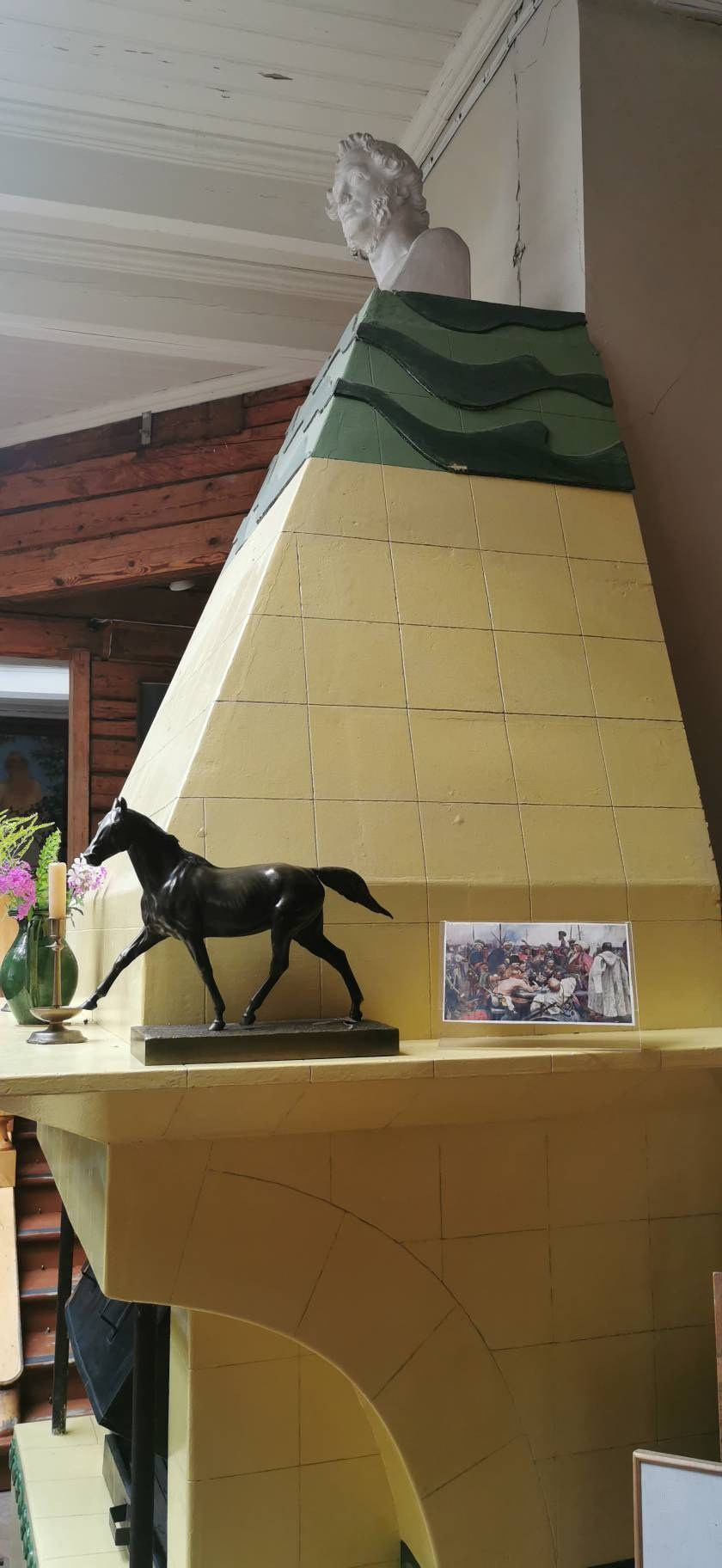
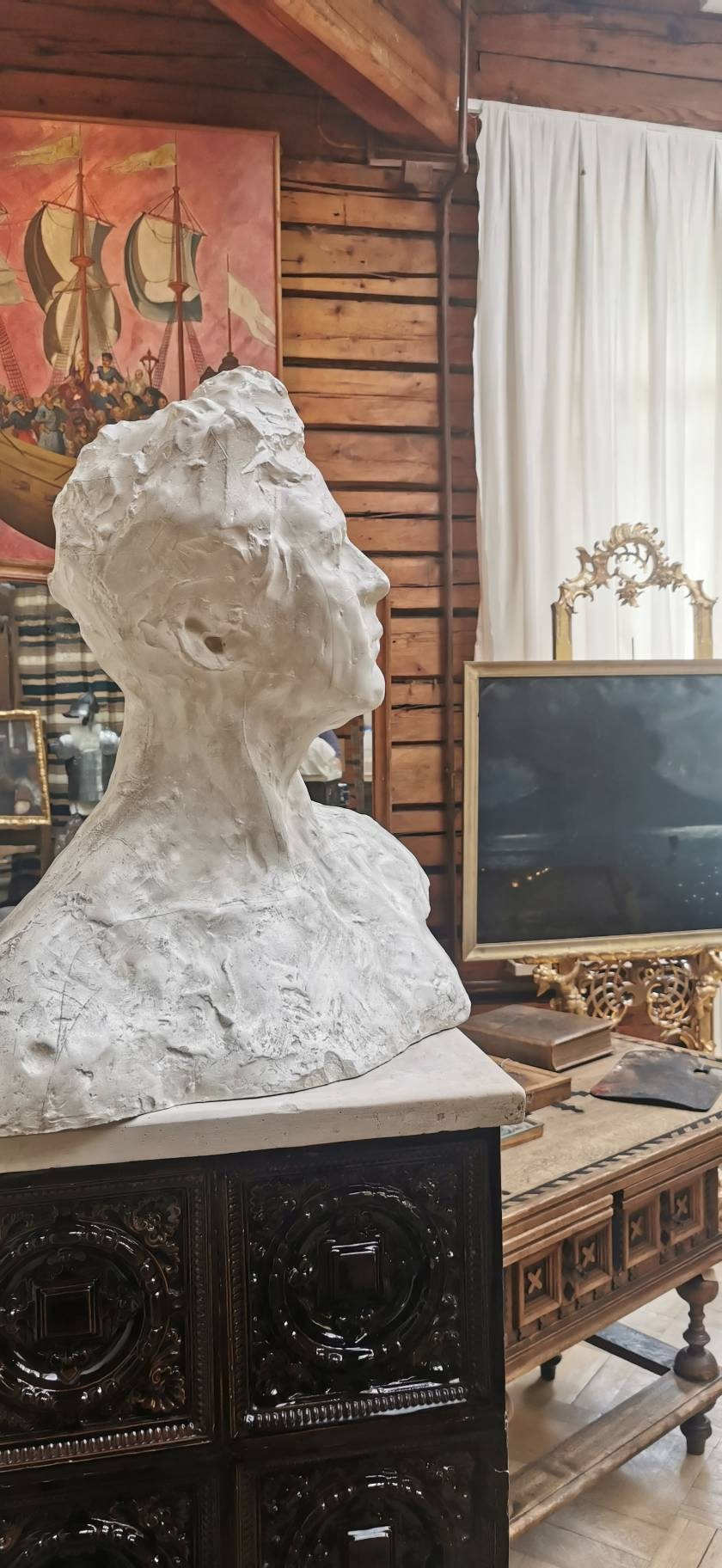
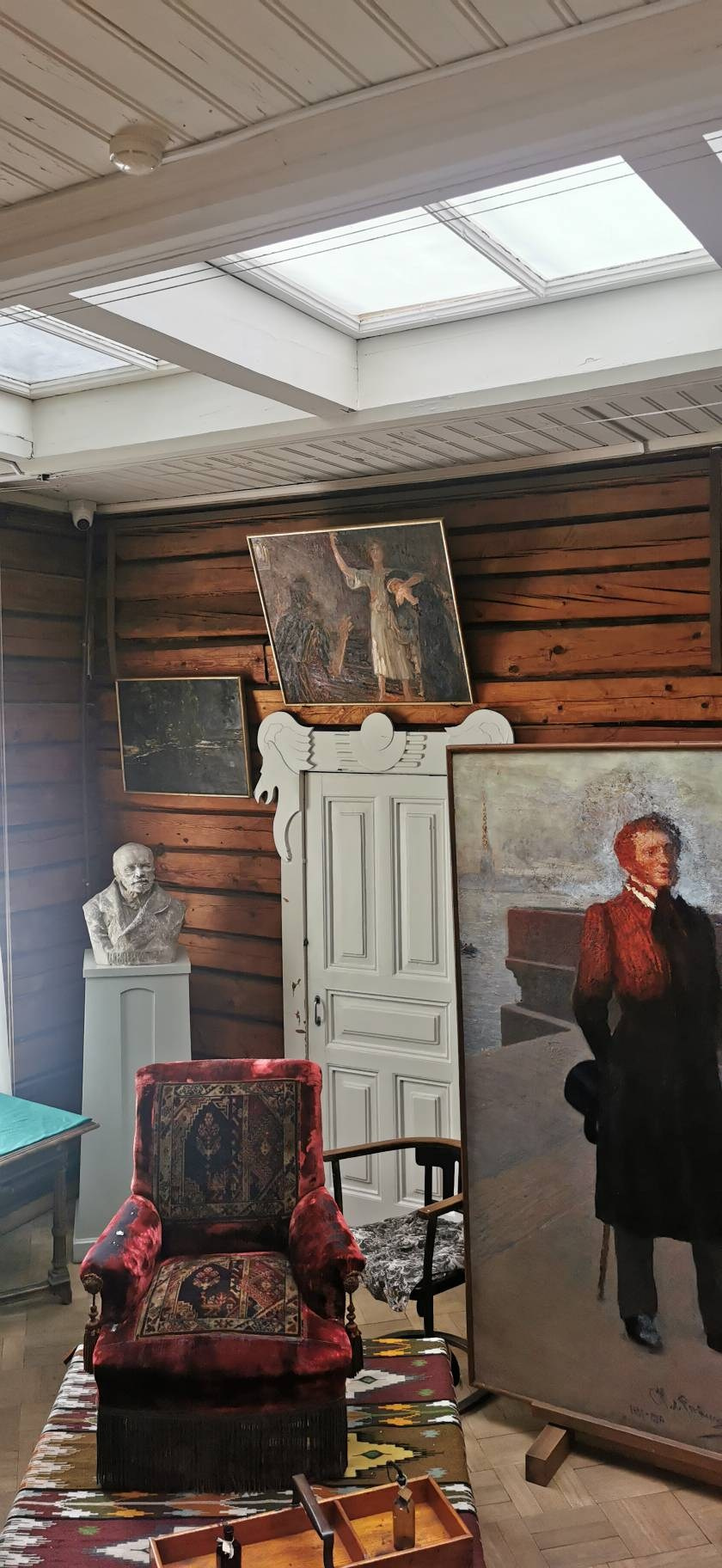
Ilya Yefimovich Repin lived in the Penates for the last thirty years of his life. Here he wished to be buried. The Manor Museum, opened in 1940, became one of the first memorial museums in the country. It is under the patronage of the Russian Academy of Arts.
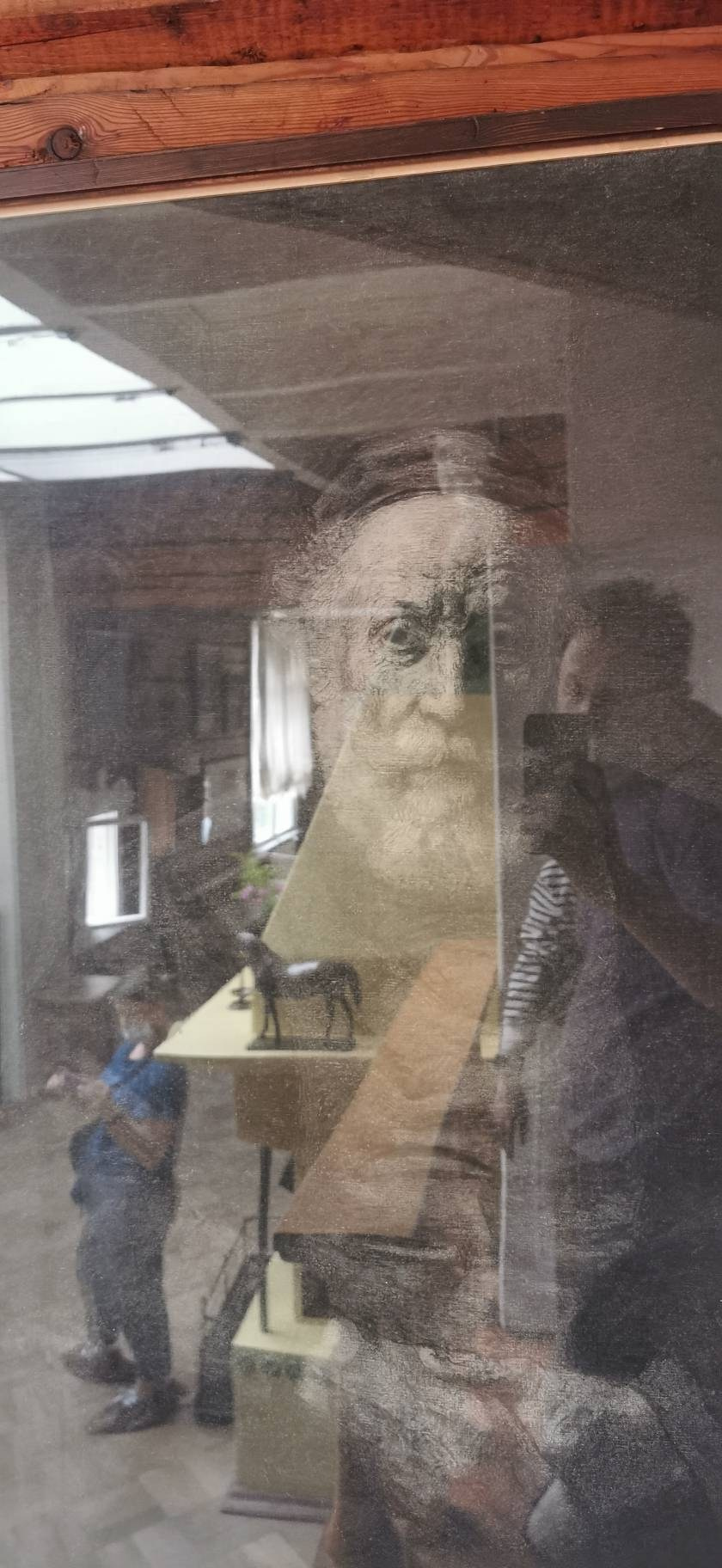
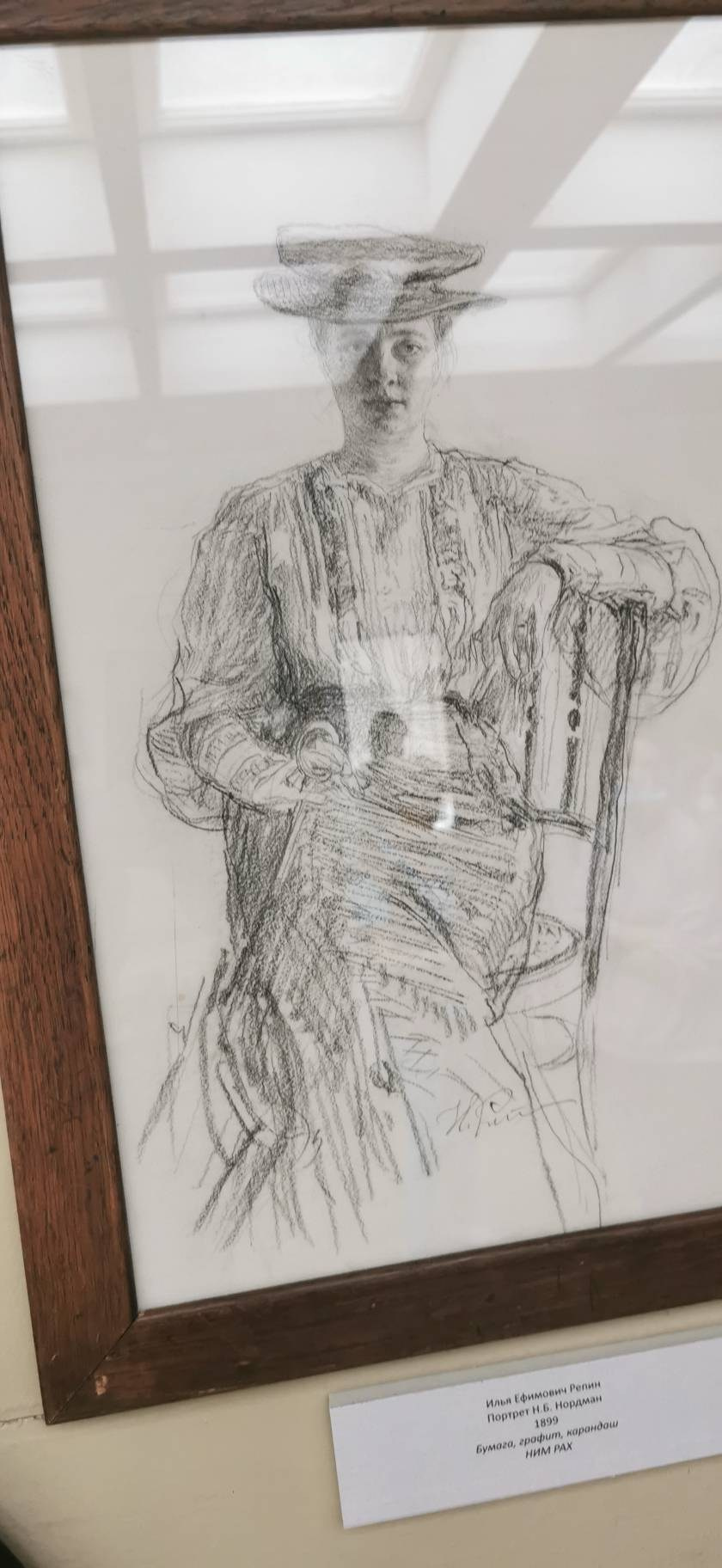
During the war, the manor buildings were severely damaged. They were restored in the 1950s and 1960s. Now in the museum-estate you can see the artist’s personal belongings, his paintings and drawings, as well as the works of his son Yuri and other Russian painters. There are about six hundred paintings and graphics in the museum’s collection.
Ilya Yefimovich Repin is the author of the memoirs “The Distant Near”, which represent an outstanding literary work. His style is characterized by liveliness, brightness and drama, which makes the text look like a painting. The memoirs bring to life legendary figures of Russian literature and art of the late 19th and early 20th centuries, such as Kuindzhi, Tolstoy, Kramskoy, Vasiliev and Ge. Especially interesting are the chapters devoted to the creation of Repin’s most famous works, as well as the emotional “Letters about Art.”
I recommend reading these memoirs to anyone who wants to understand the era and the relationships of people in Repin’s circle.



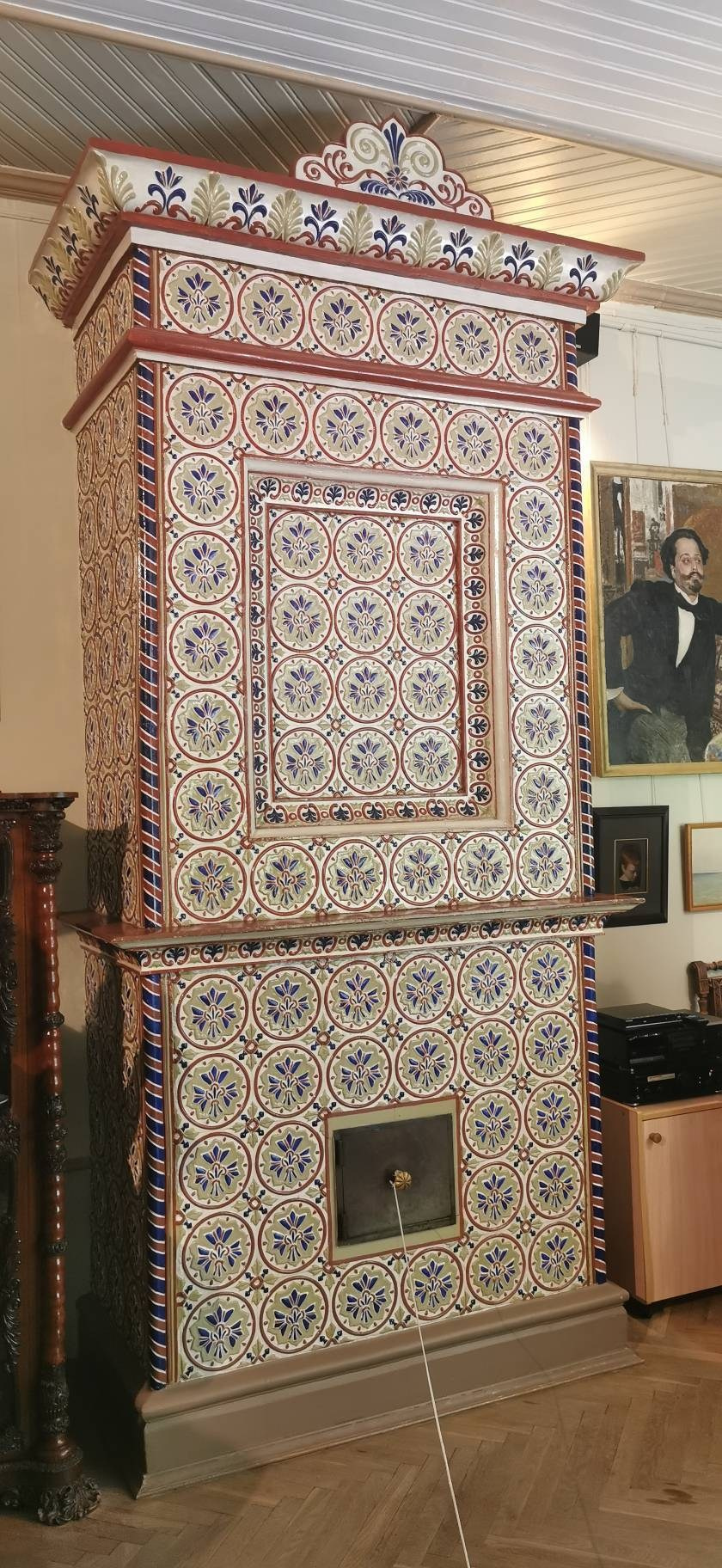
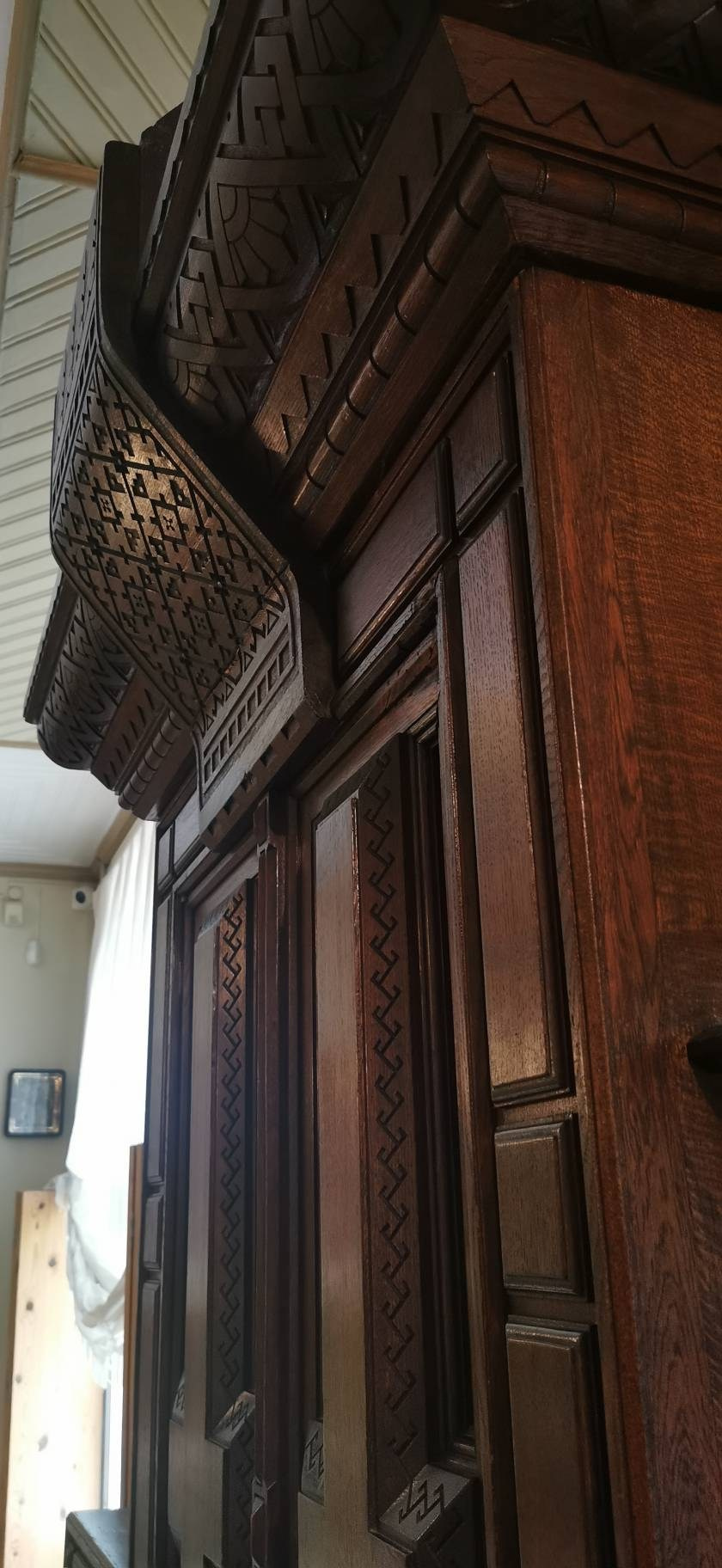


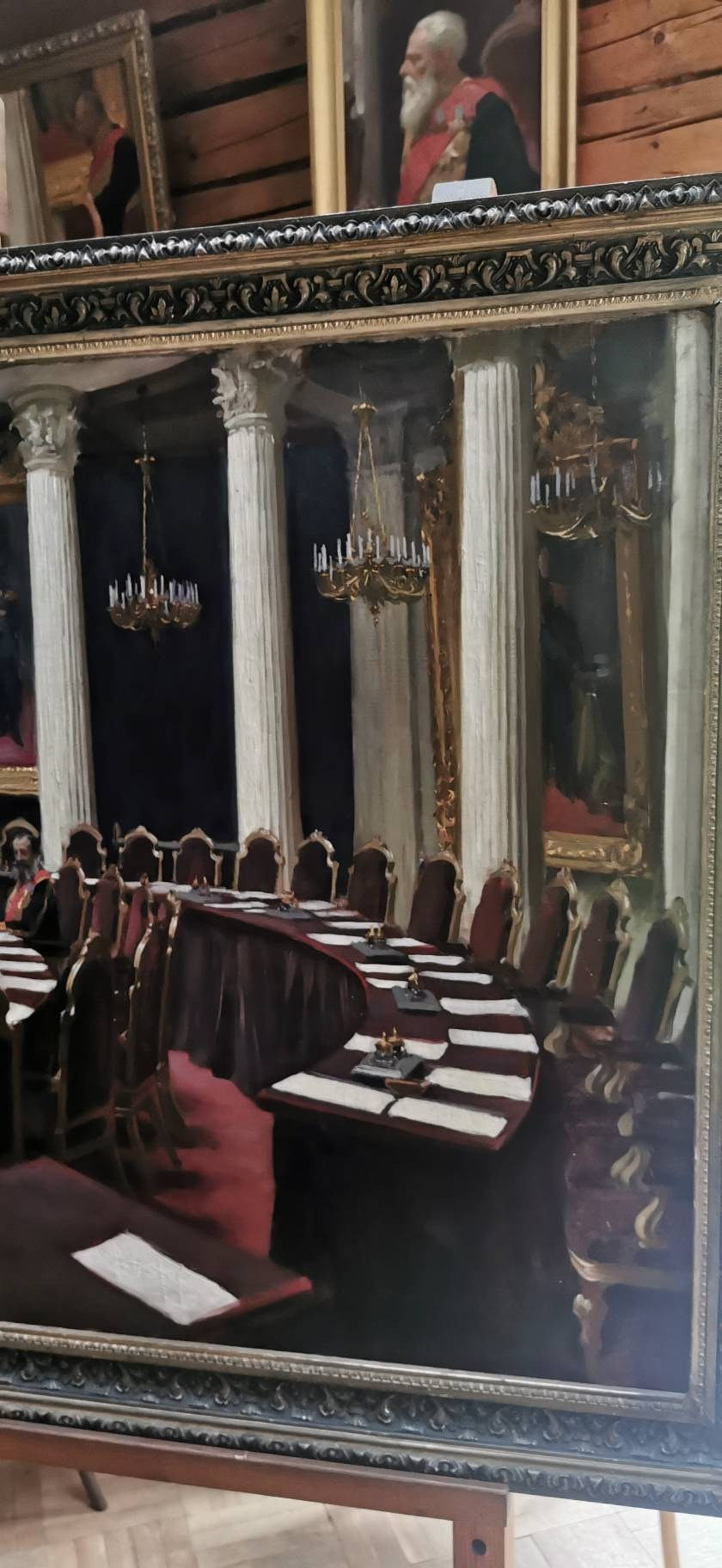
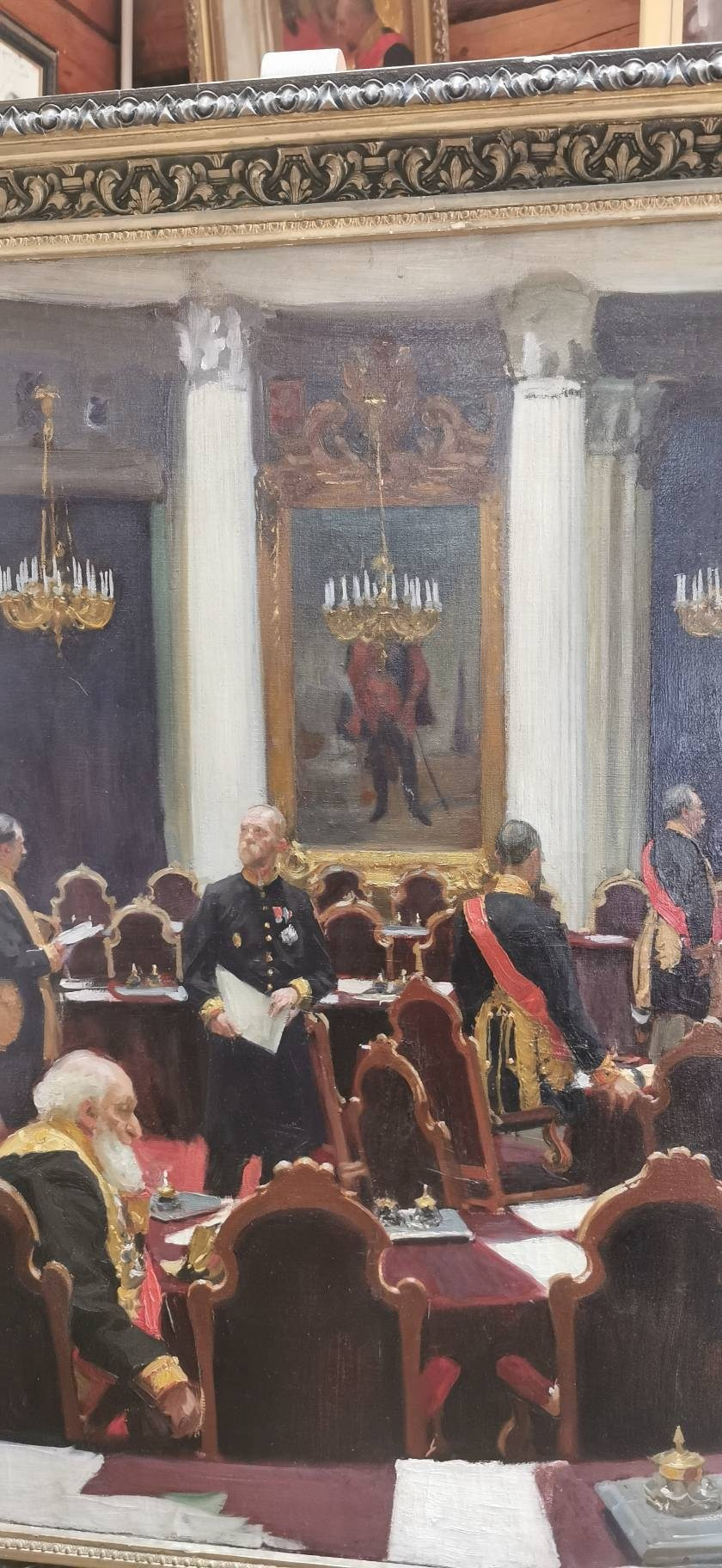




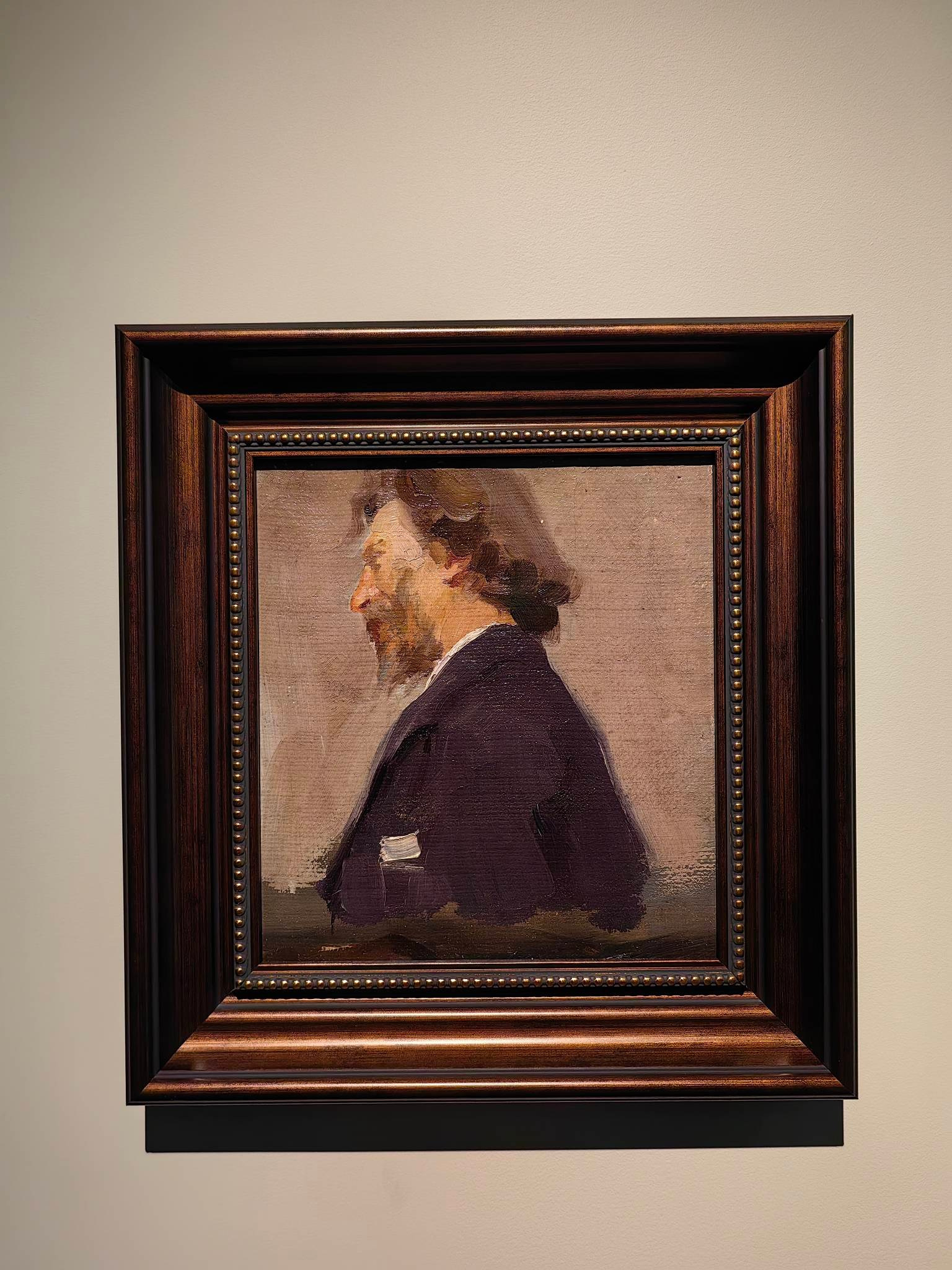
«Новый Иерусалим» выставка «Мастер Репин. Эпизоды из жизни учителя и учеников»
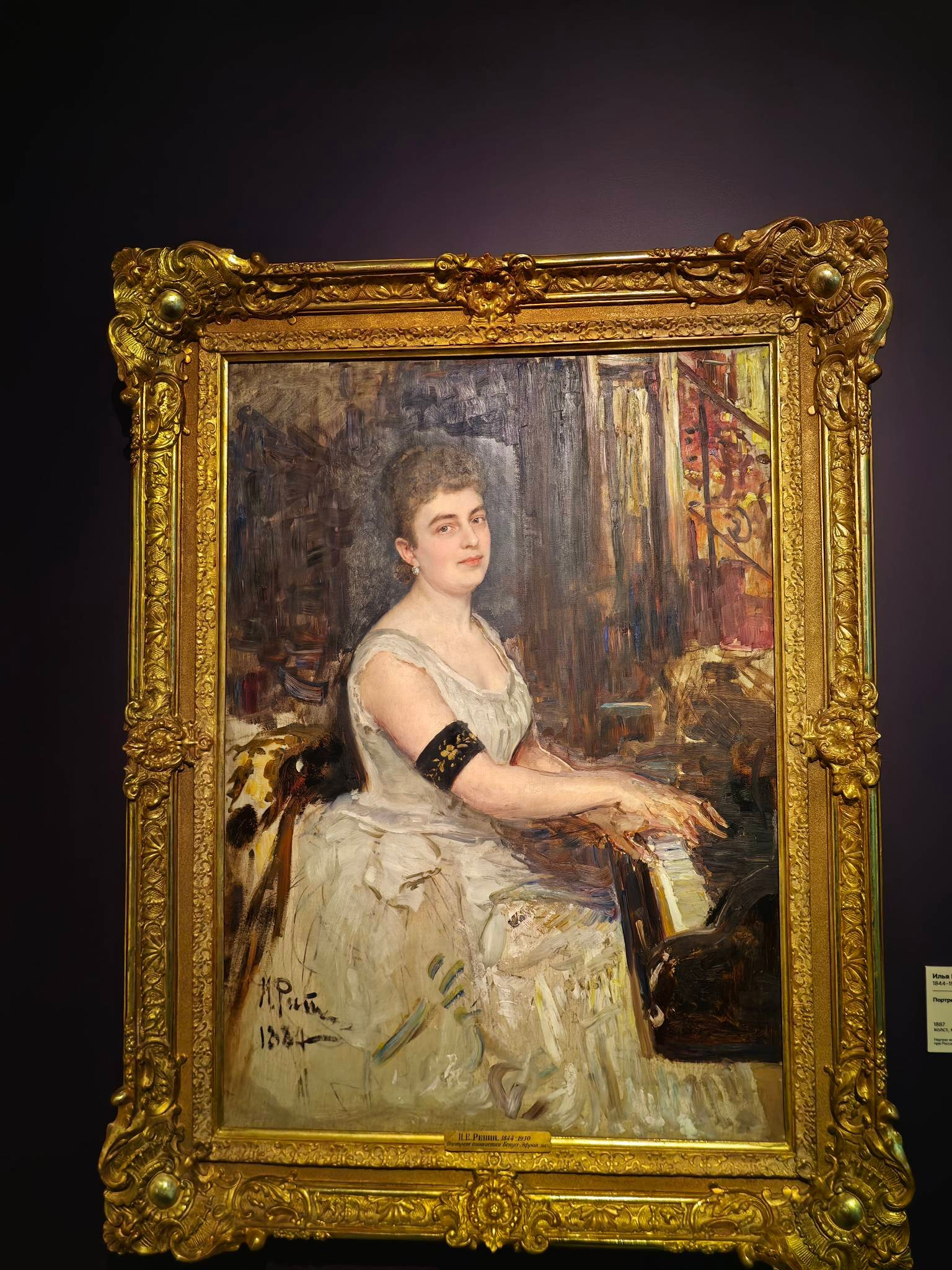
Одно из самых больших наследий И. Е. Репина — это его ученики.
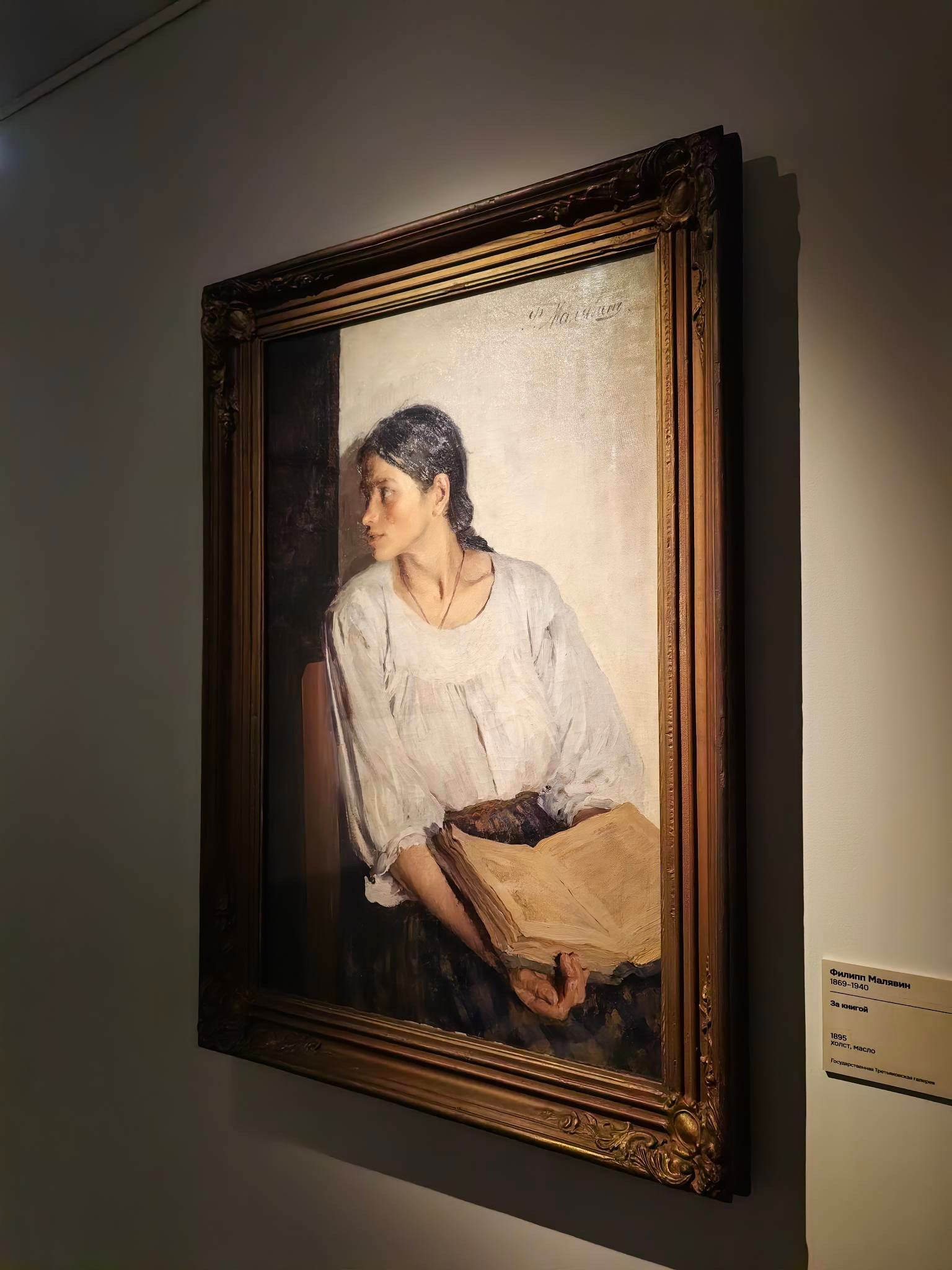
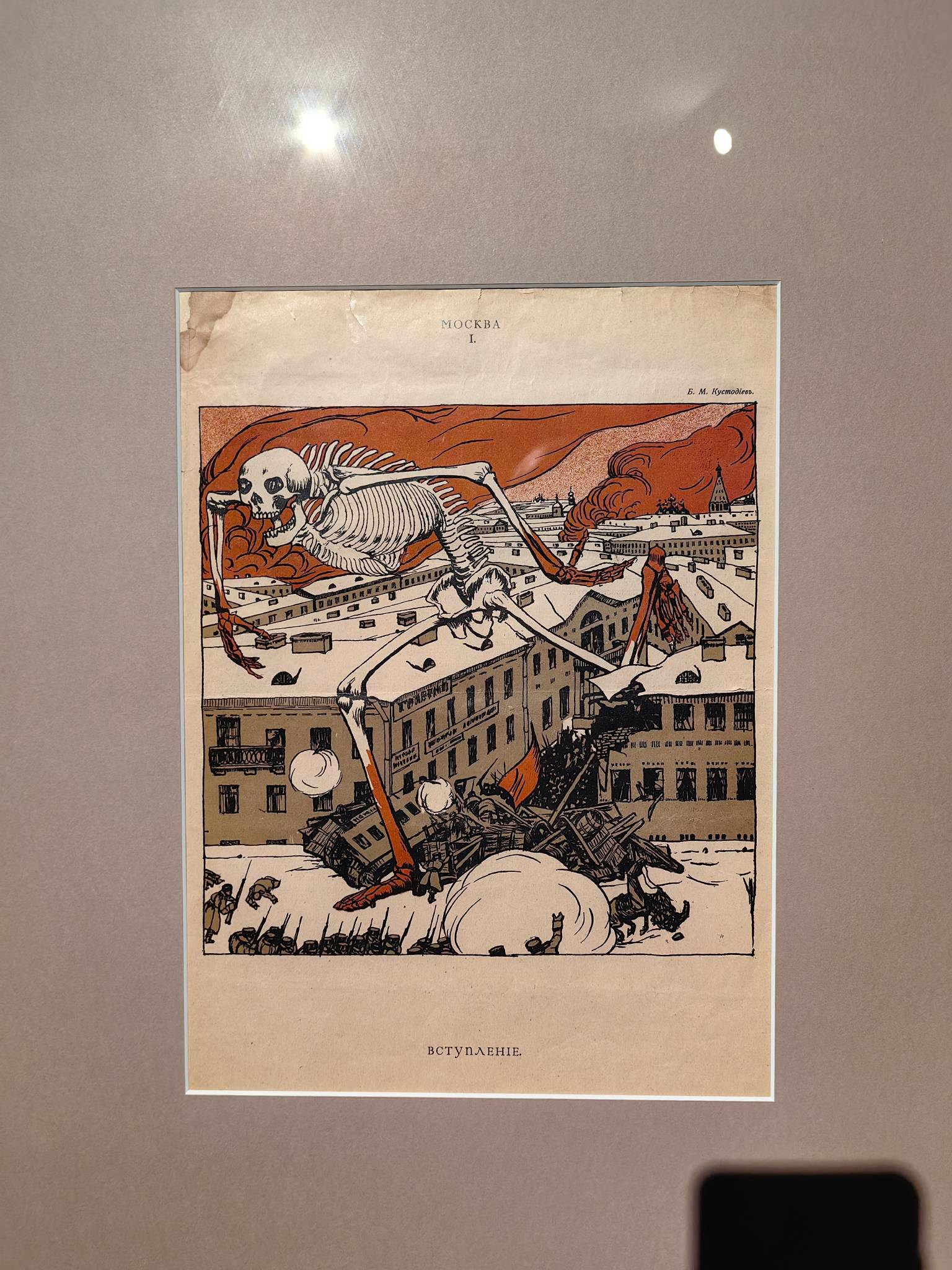
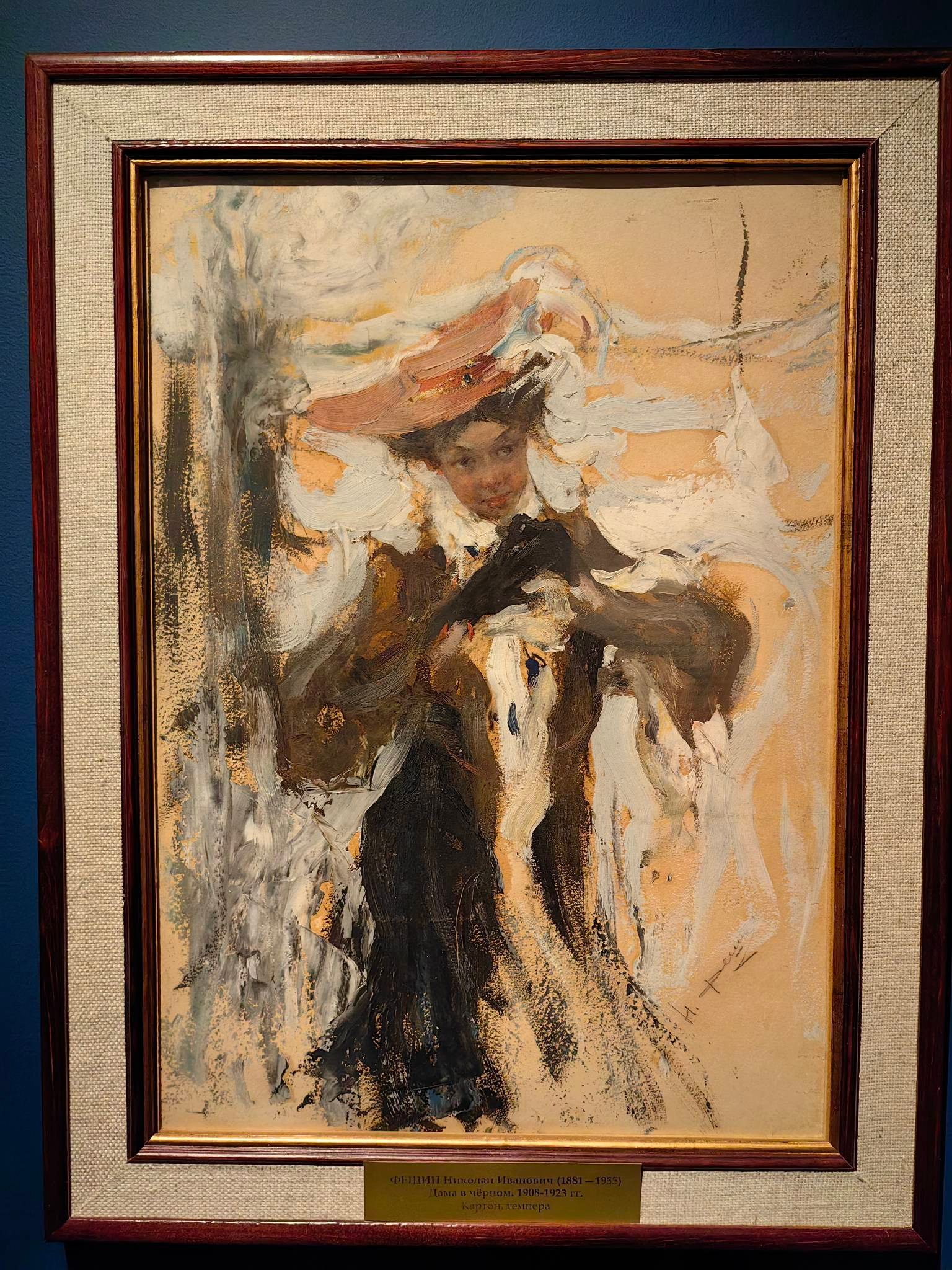
Влияние и авторитет Репина, как художника и педагога сложно переоценить — его мастерская в Академии художеств всегда была переполнена. За год в мастерской Репина и его ассистента Кардовского обучалось до 90 студентов. Под руководством Репина начинали свой творческий путь многие выдающиеся художники, чей авторский стиль не похож друг на друга: И. Грабарь, О. Браз, И. Бродский, М. Греков, К. Сомов, Н. Фешин, Б. Кустодиев, И. Билибин и А. Остроумова-Лебедева. Среди учеников Репина был и В. Серов, который обучался у него с юных лет.
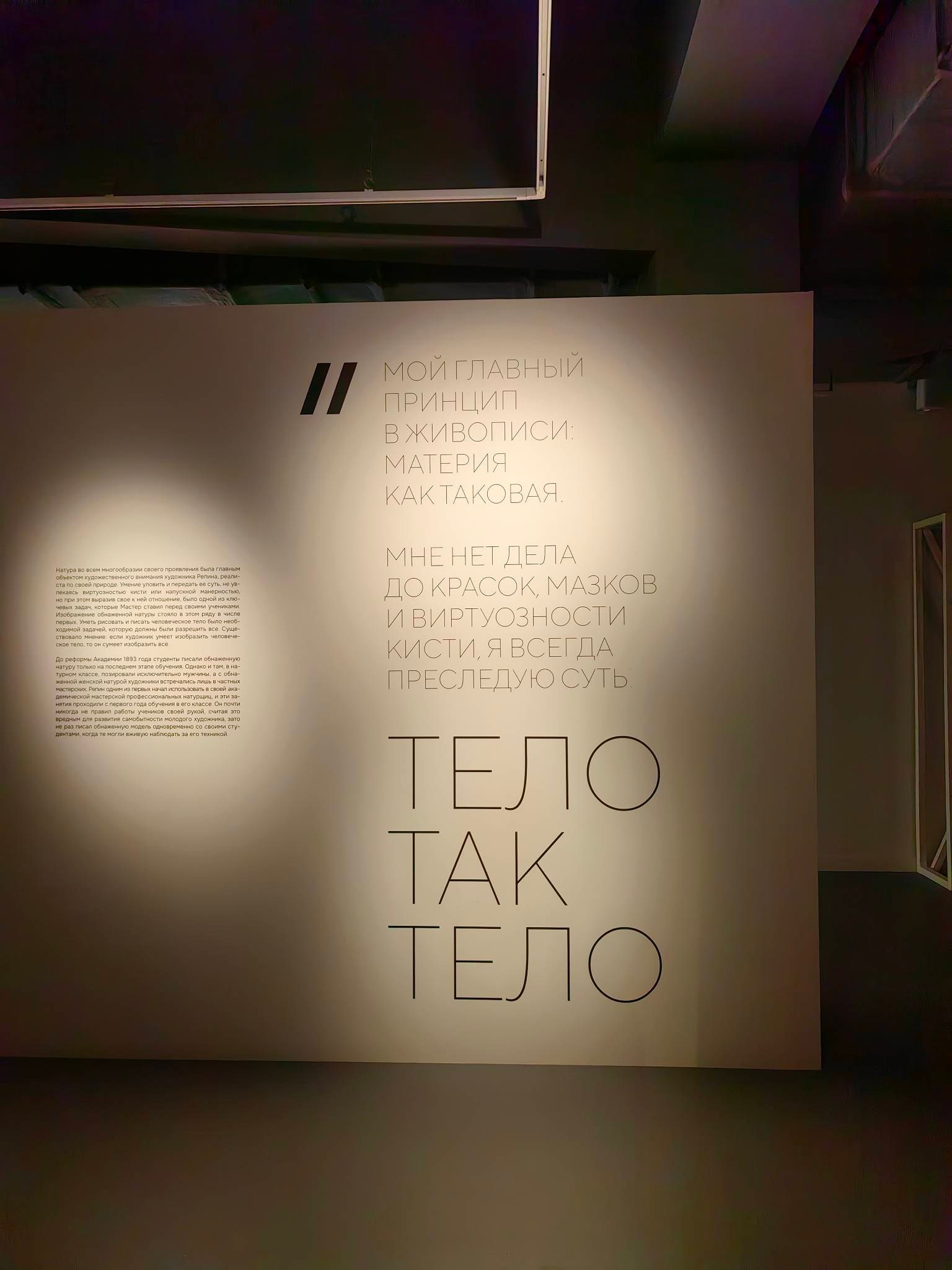
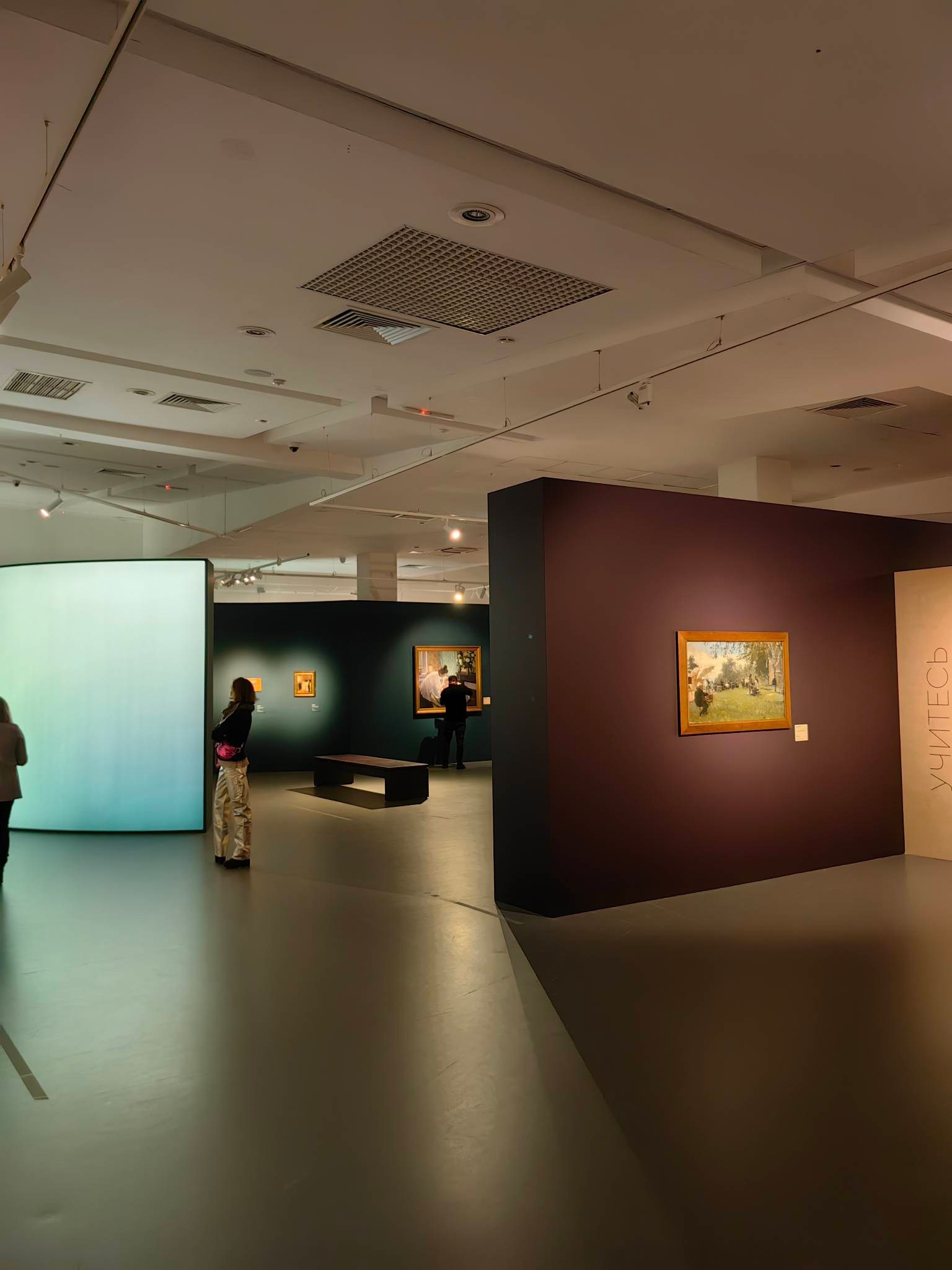
С 29 февраля по 28 июля 2024 года в музее «Новый Иерусалим» проходила выставка «Мастер Репин. Эпизоды из жизни учителя и учеников». Этот проект был приурочен к 180-летию со дня рождения Ильи Репина и позволил взглянуть на него не только как на гениального художника, но и как на выдающегося педагога, воспитавшего целую плеяду талантливых живописцев, которые стали гордостью русской школы живописи.
В выставочном пространстве площадью почти две тысячи квадратных метров представлены 110 произведений из коллекций 20 музеев России и четырёх частных собраний. Среди них — работы из собрания музея «Новый Иерусалим», Третьяковской галереи, Русского музея, Государственного музея изобразительных искусств имени А. С. Пушкина, Музея русского импрессионизма, Ярославского художественного музея, Новгородского музея-заповедника и других.
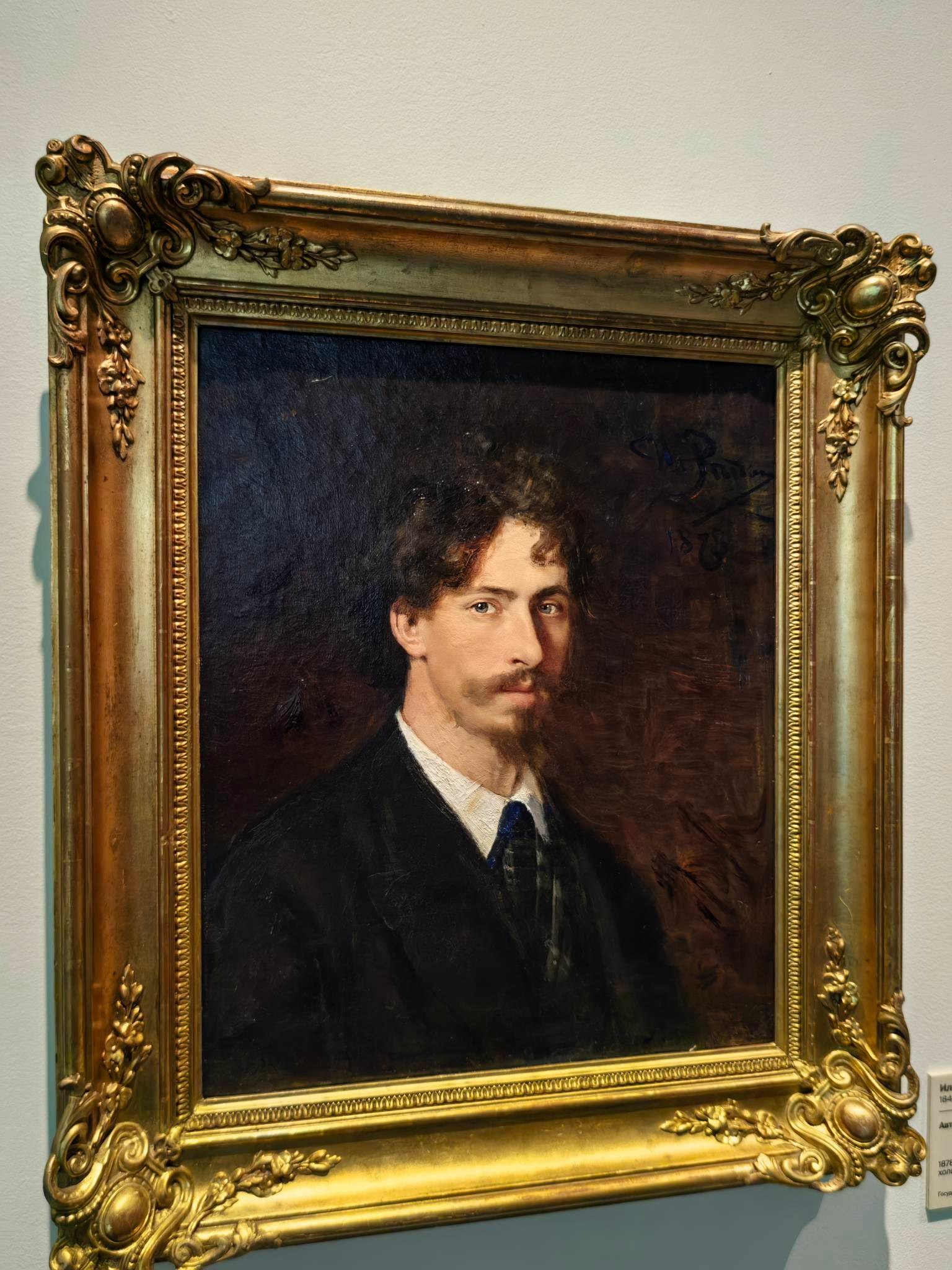
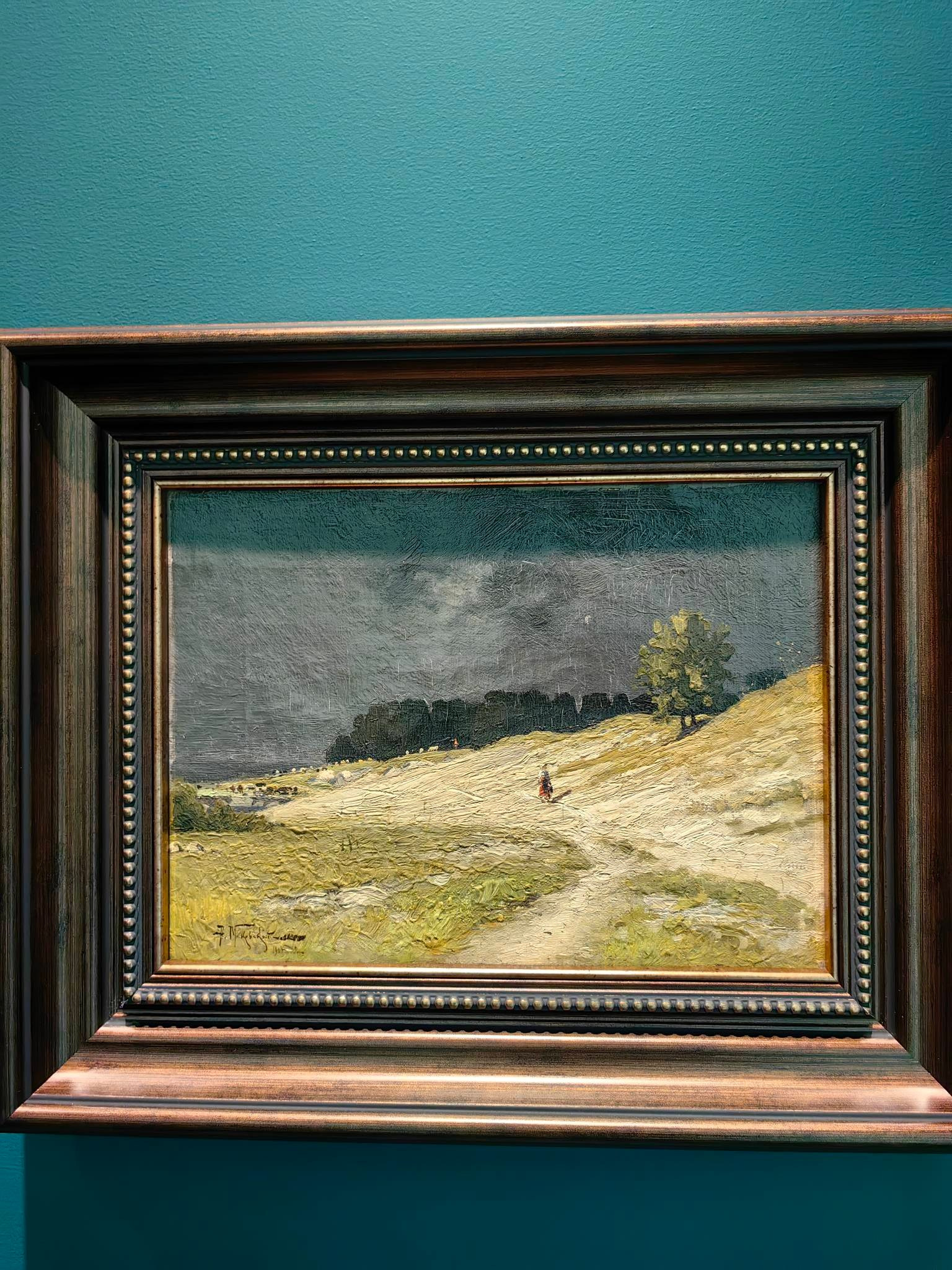
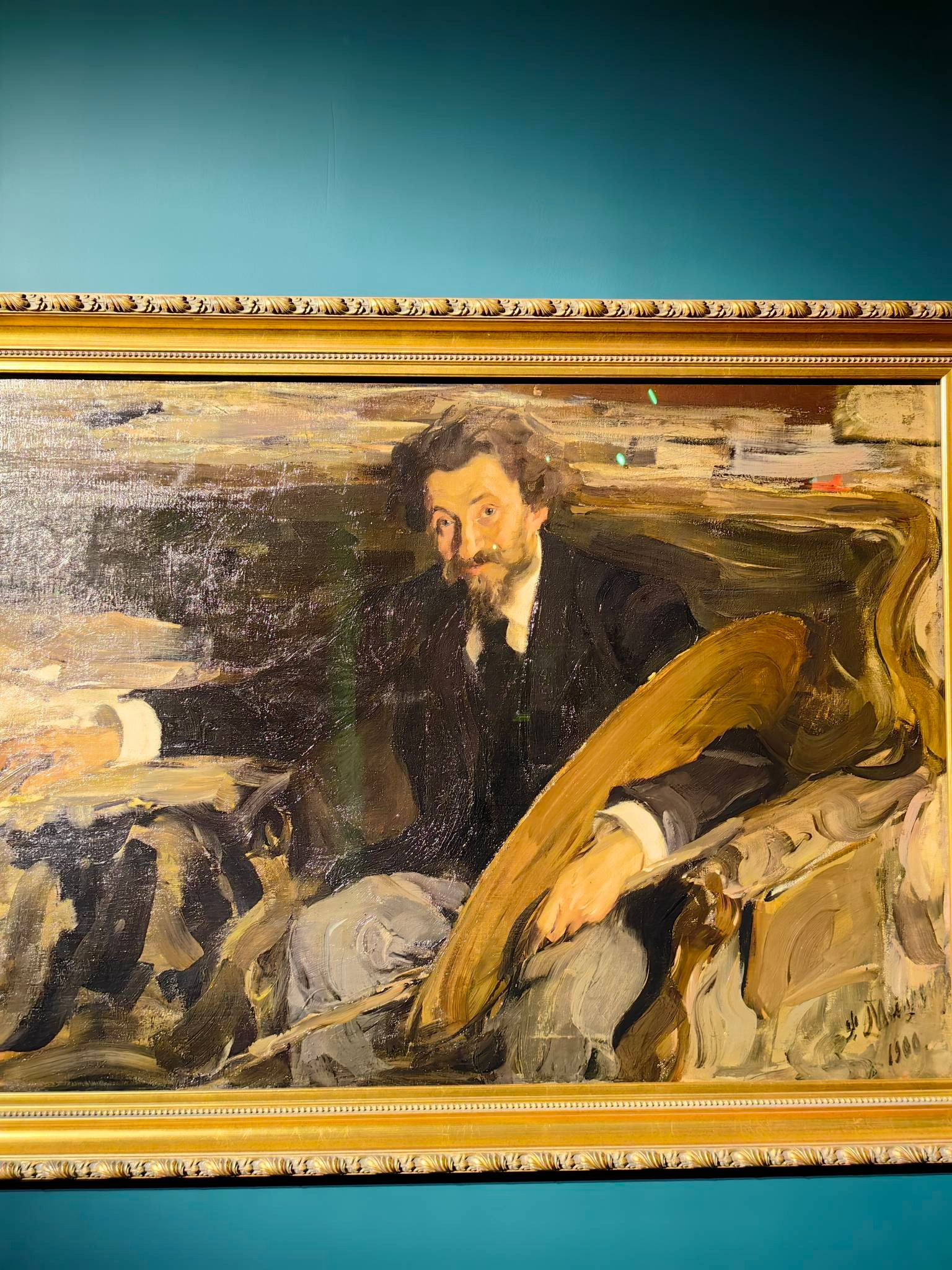
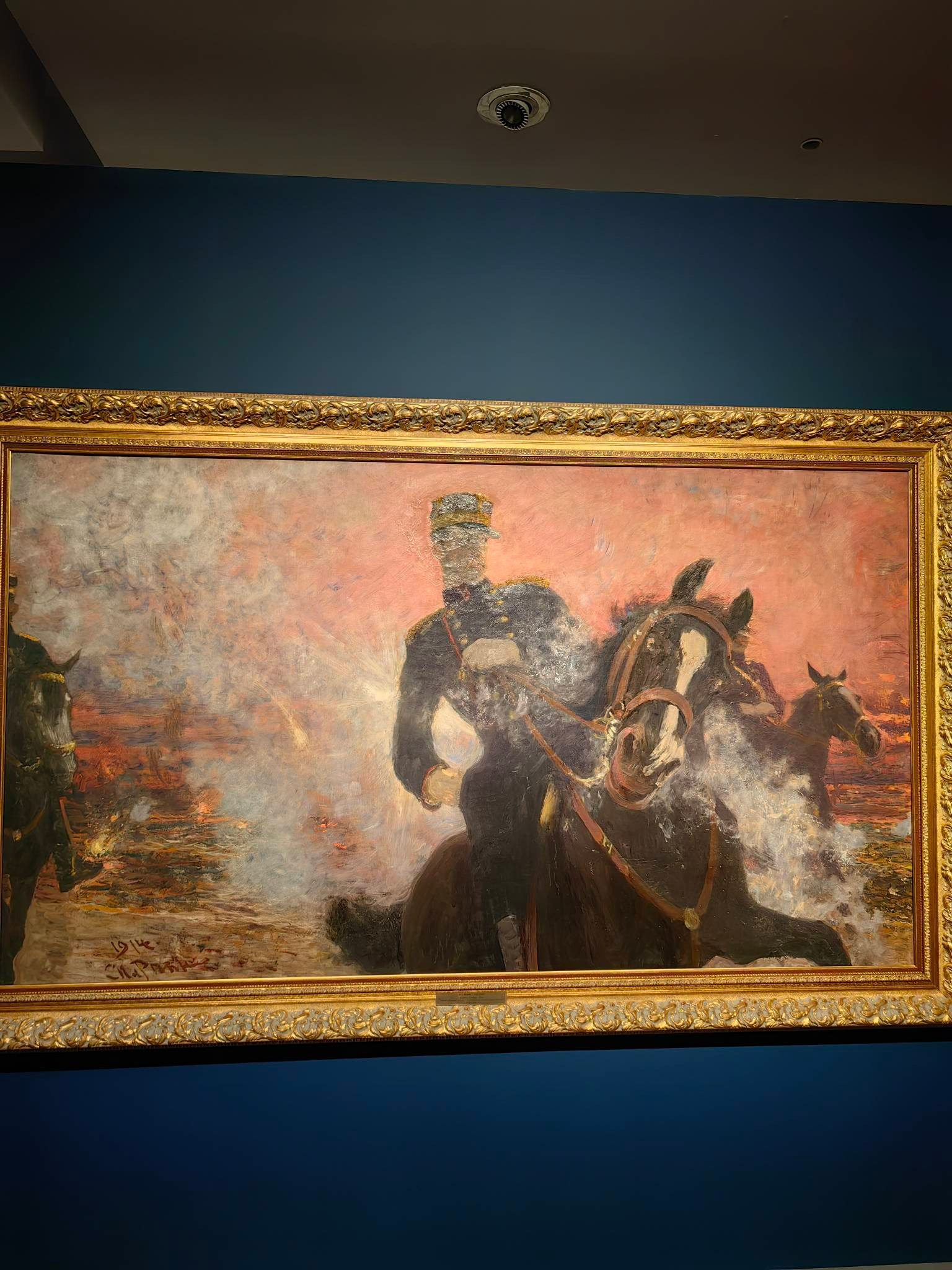
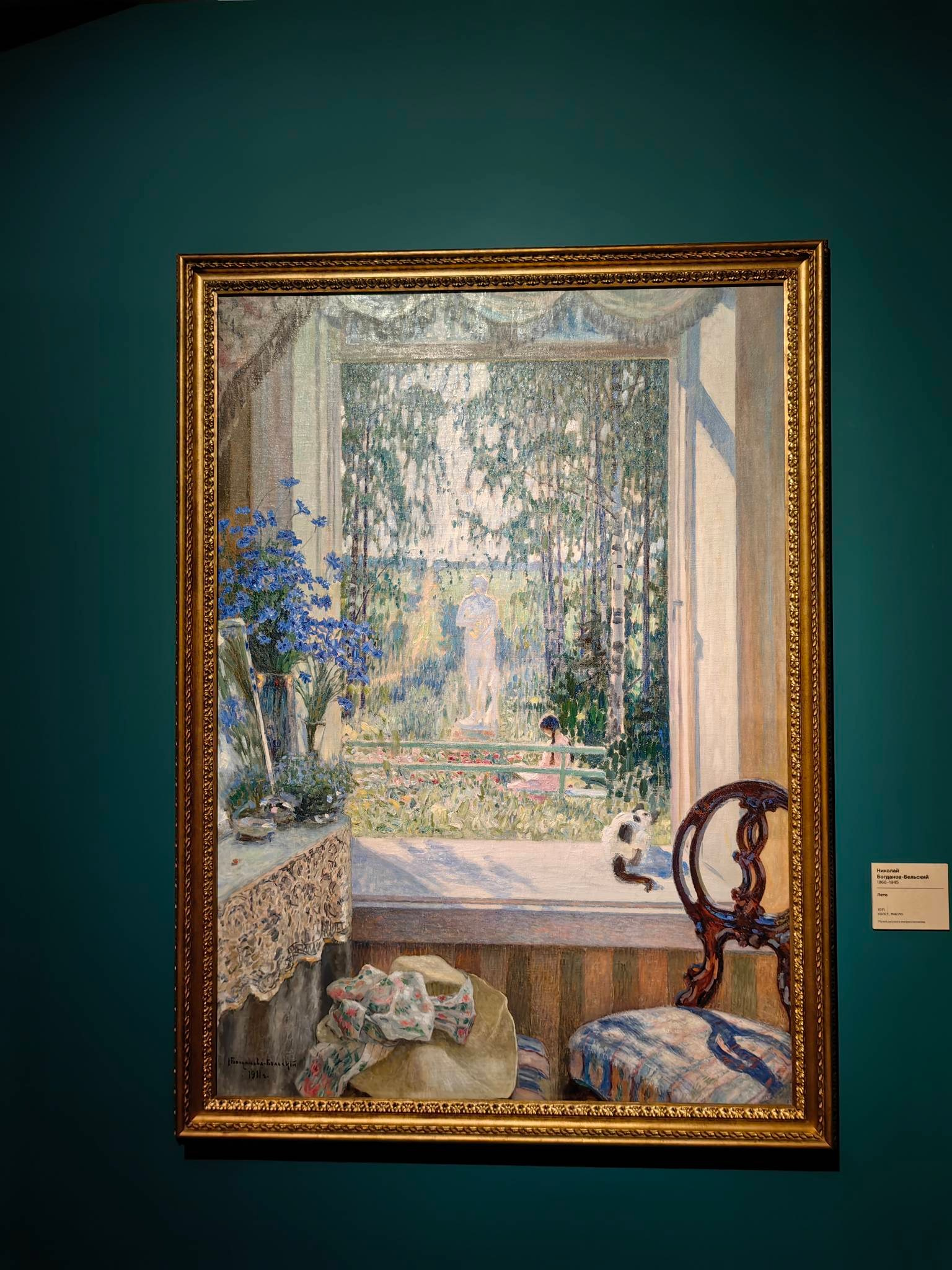
На экспозиции были представлены произведения Ильи Репина и его учеников, таких как Валентин Серов, Борис Кустодиев, Филипп Малявин, Исаак Бродский, Константин Сомов, Зинаида Серебрякова, Игорь Грабарь, Анна Остроумова-Лебедева и другие.
Самое замечательное что можно проследить взаимосвязь Репина и и его учеников. Развитие мастерства Репина в его учениках.
Будучи признанным мастером реализма и передвижничества, Репин не останавливался на достигнутом и продолжал экспериментировать, часто сталкиваясь с критикой и неодобрением коллег. Однако именно его любовь к разнообразию, внутренняя свобода, любознательность и уважение к таланту и самобытности, вероятно, стали причиной того, что из его мастерской вышли такие яркие и непохожие друг на друга художники. Репин не придерживался определённой системы обучения и не использовал готовые методики. Он скорее был наставником, который учил своих учеников наблюдать, учиться и работать, позволяя им стать теми, кем они могли стать.
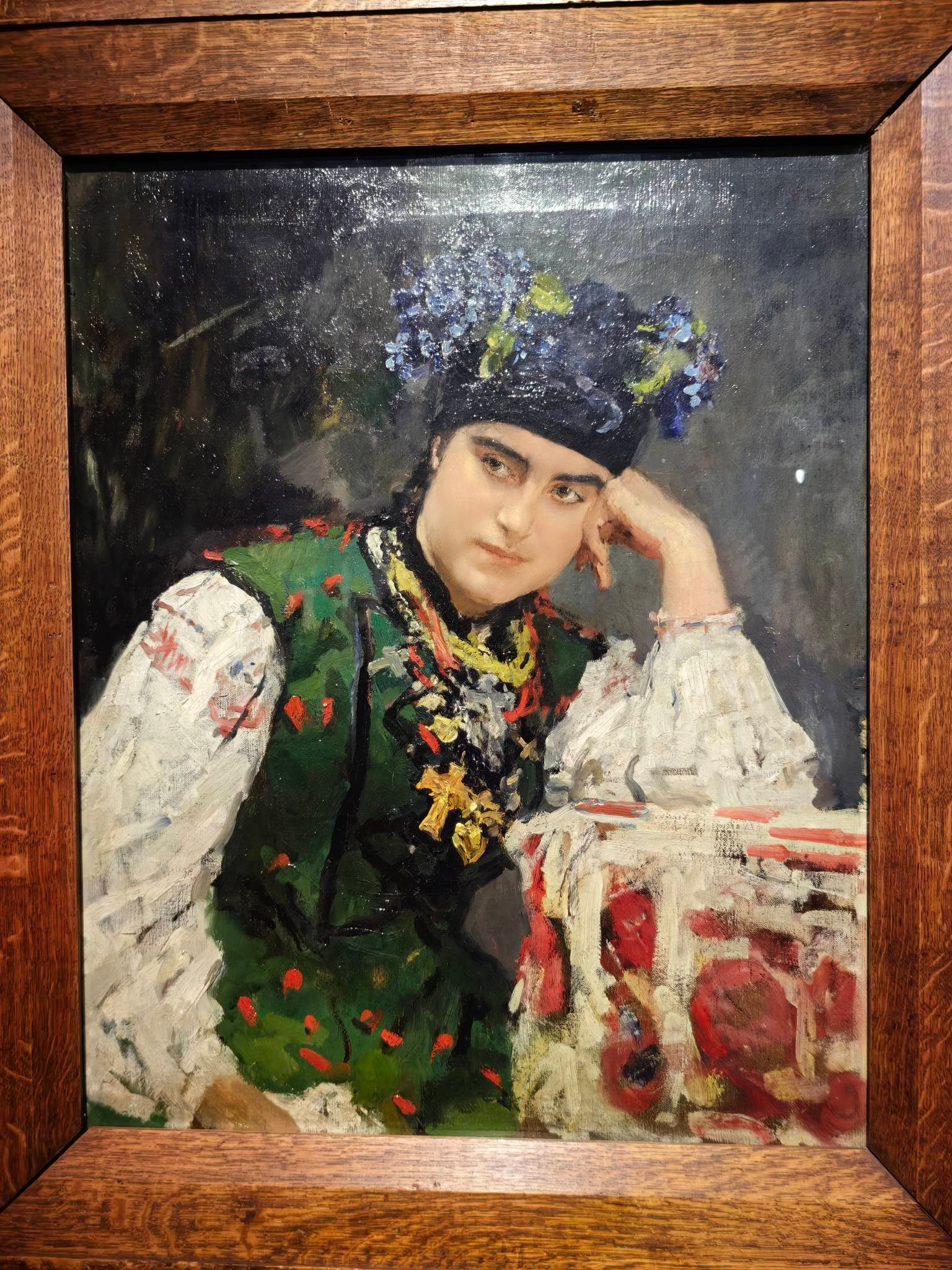
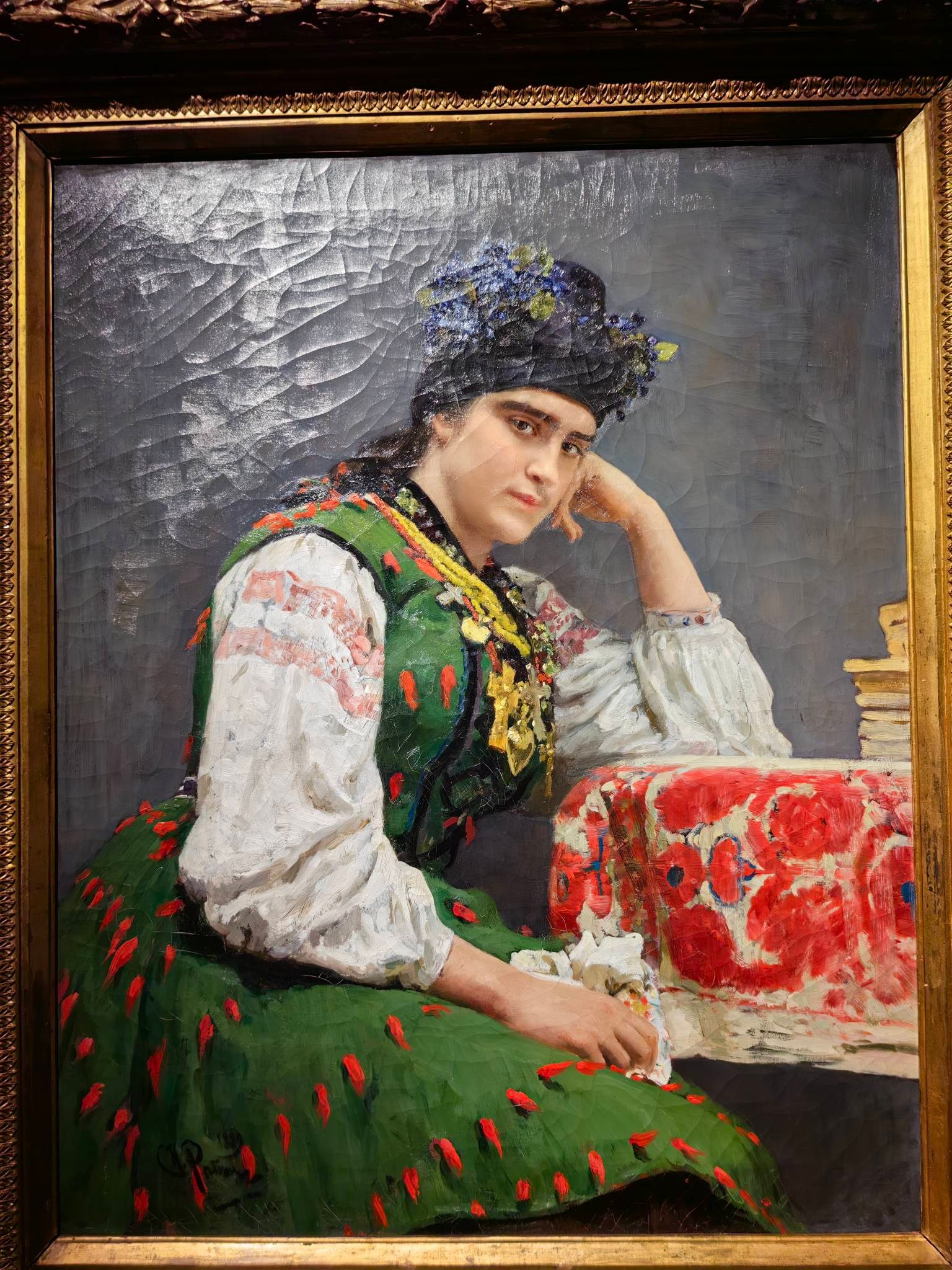
И.Репин и В.Серов
Выставка даёт уникальную возможность сравнить два портрета Софьи Драгомировой, созданных учителем Репиным и его учеником Серовым в рамках одного сеанса.
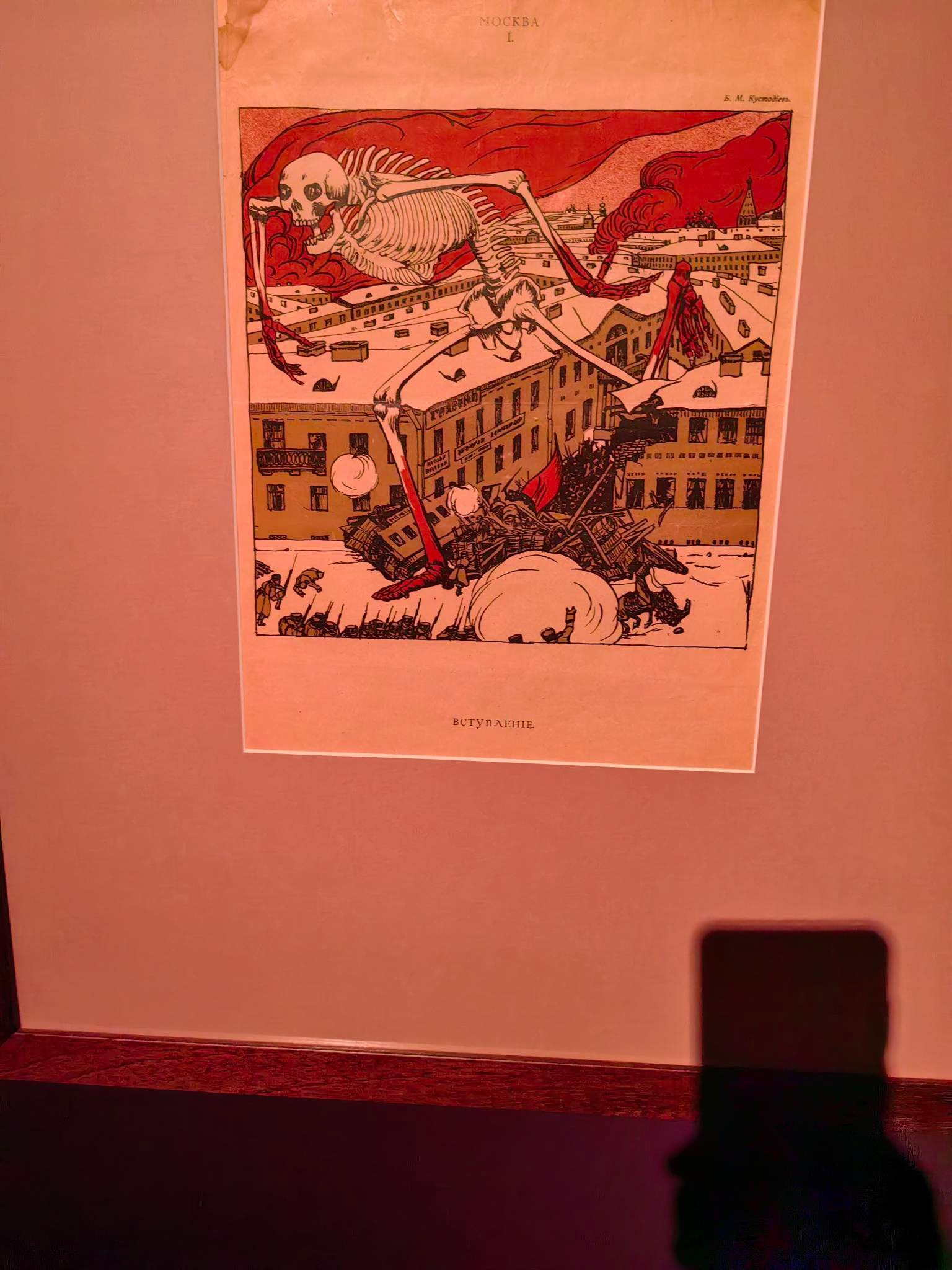
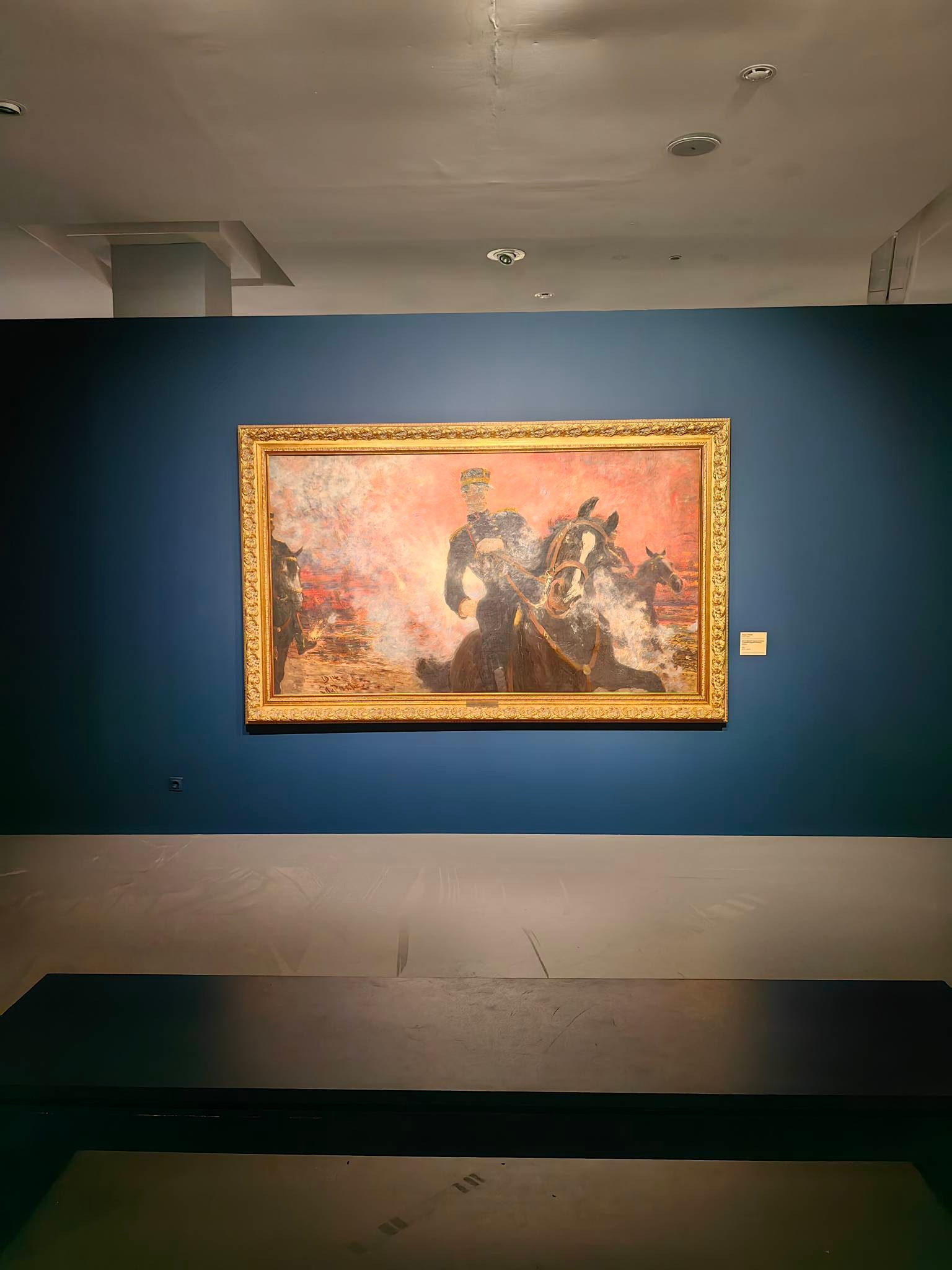
Фотографии с выставки в музее «Новый Иерусалим»










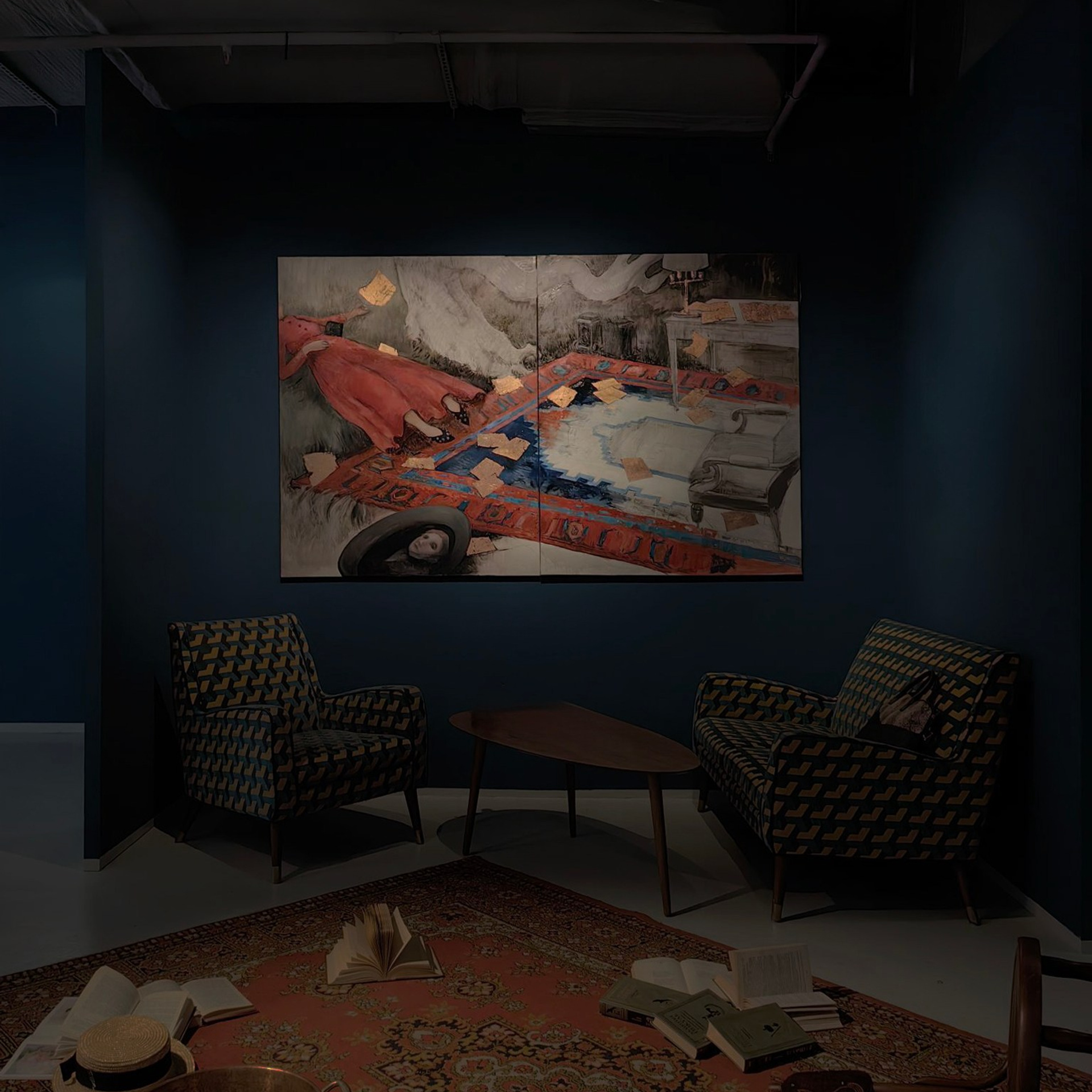
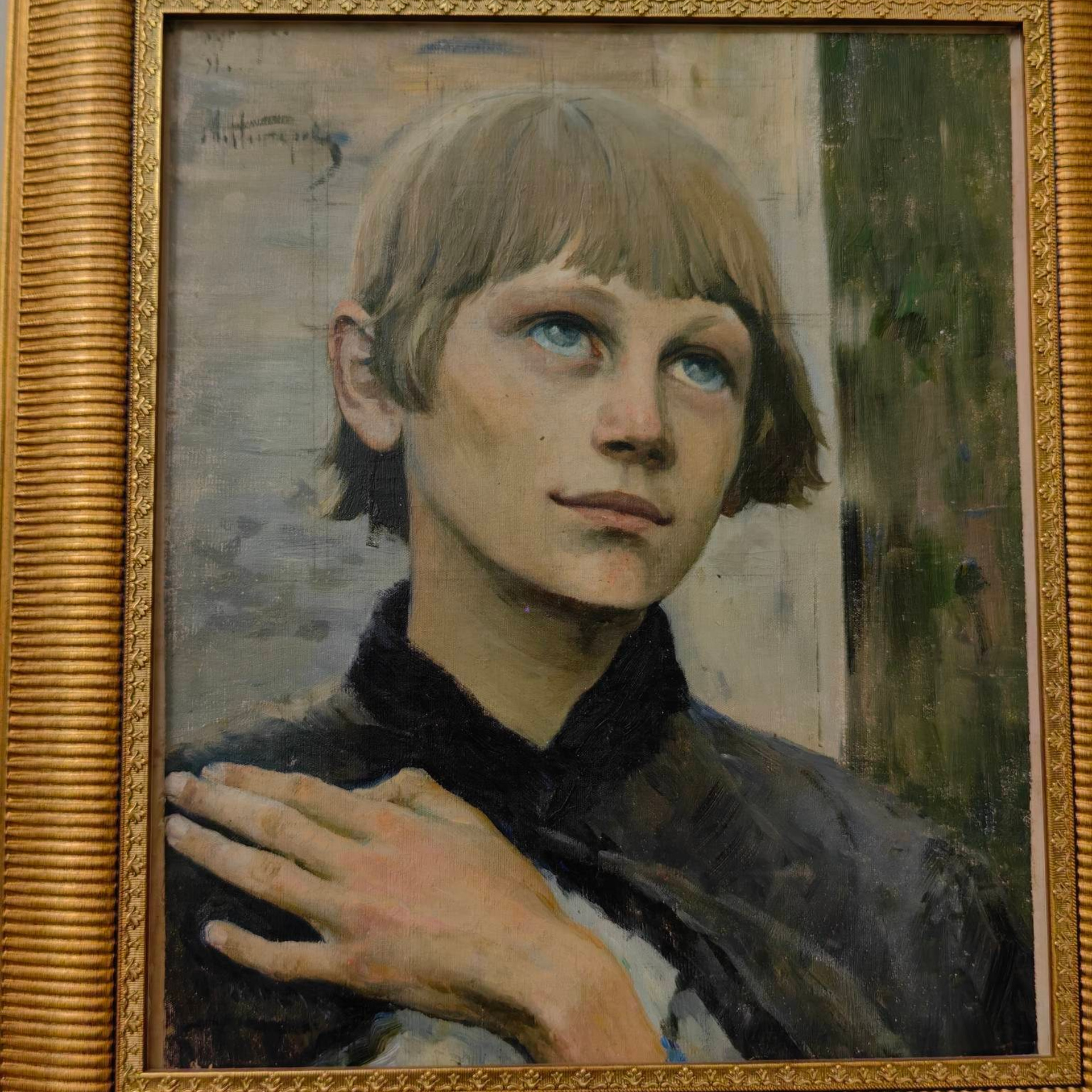
The history of the painting
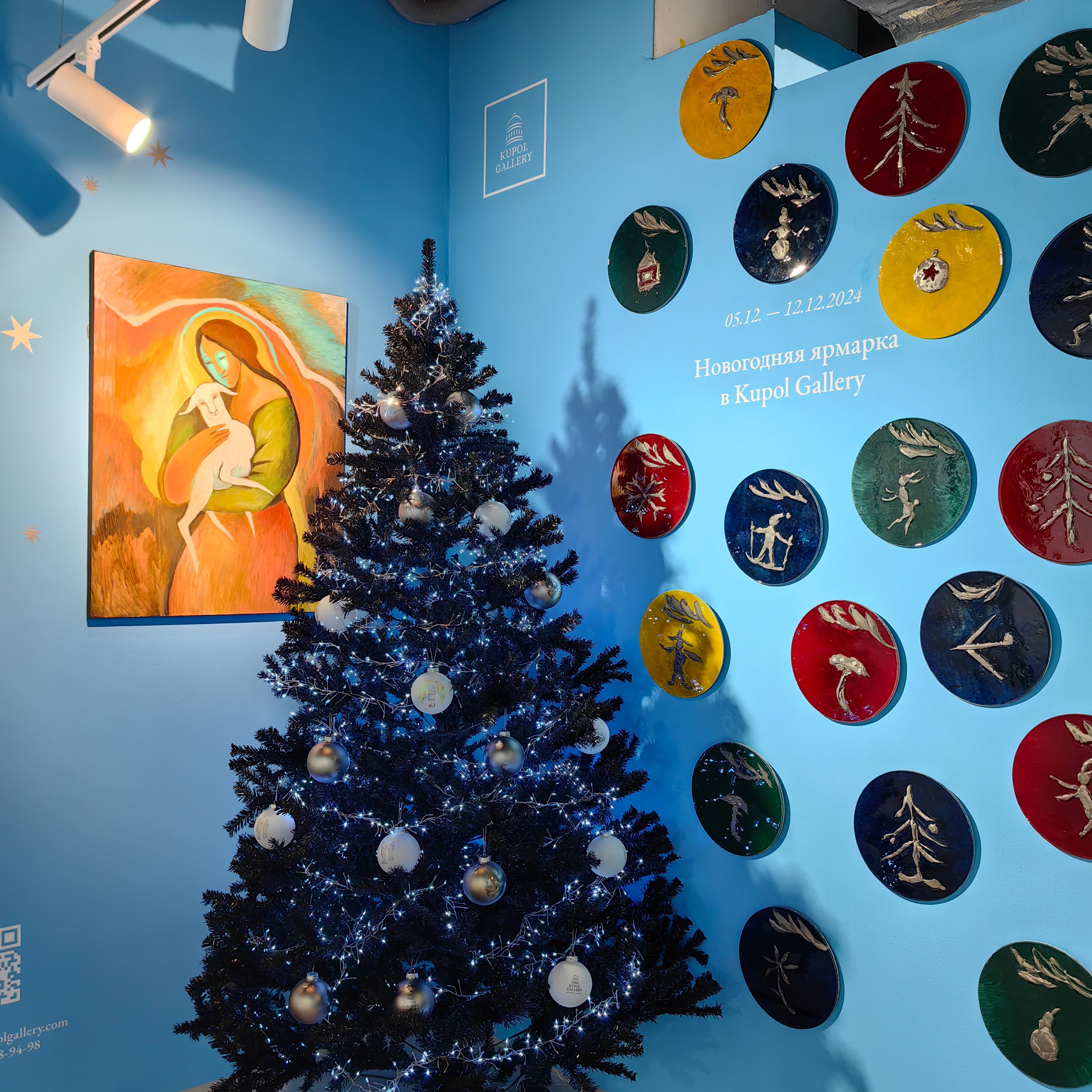
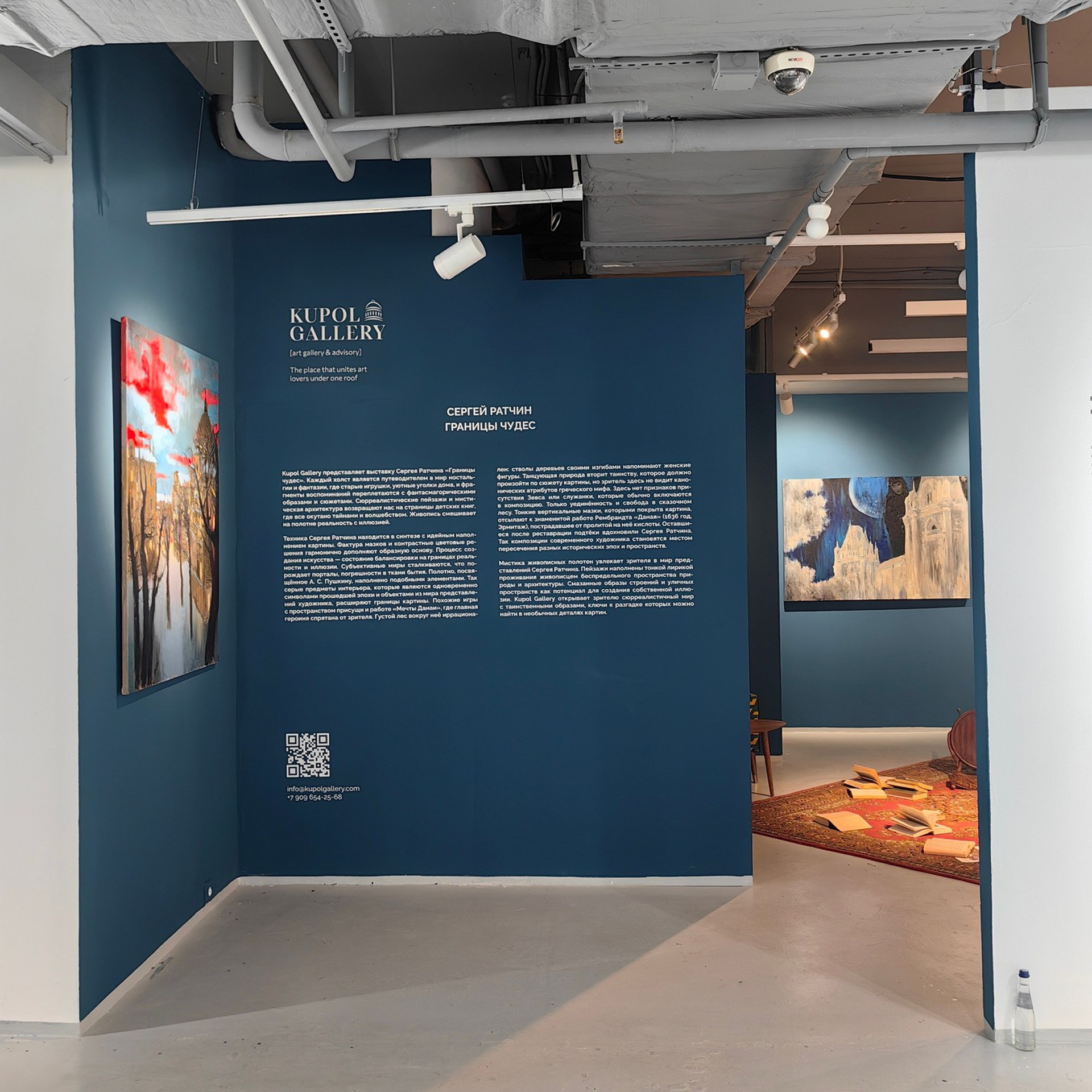
Auction in KupolGallery
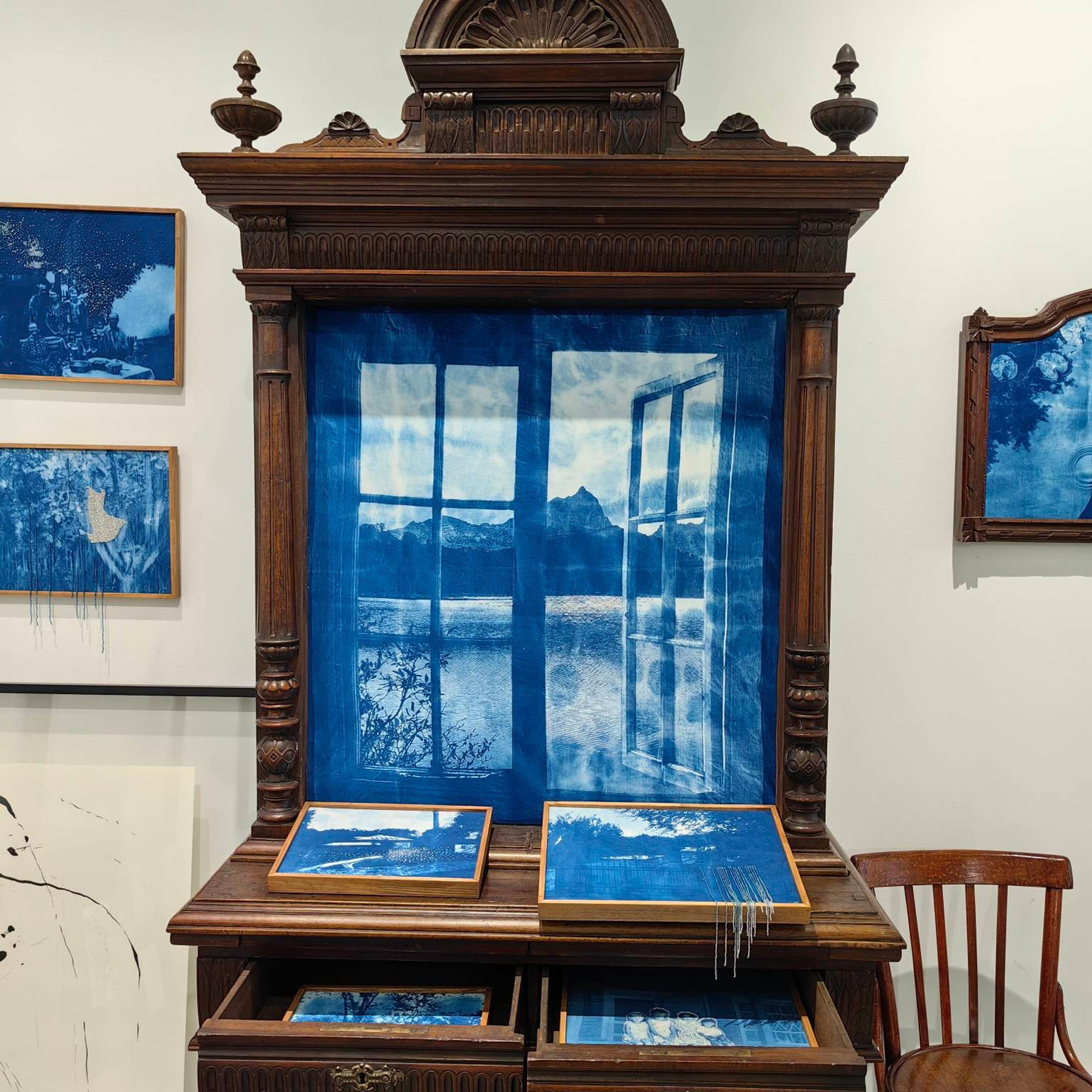
Cosmoscow 2024
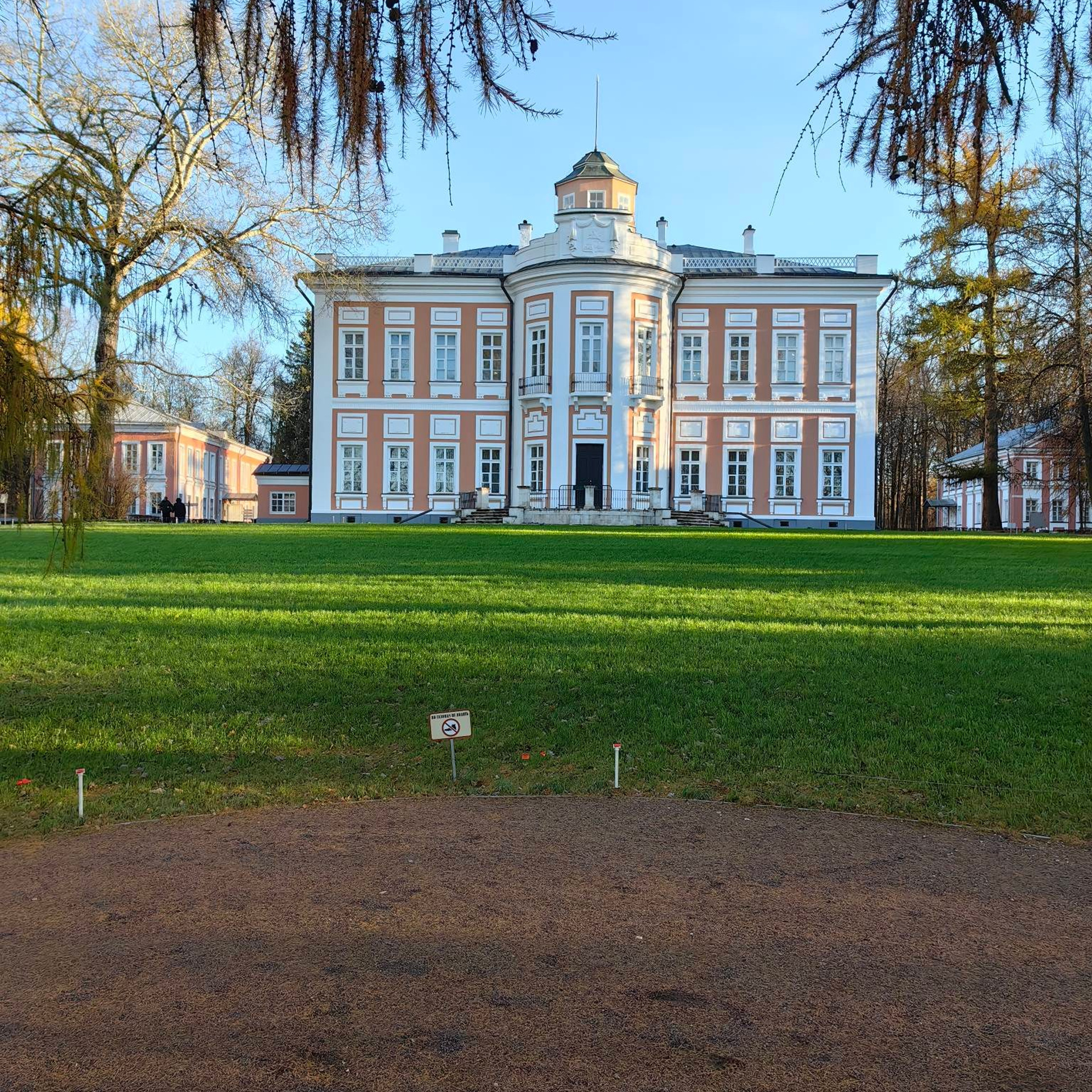
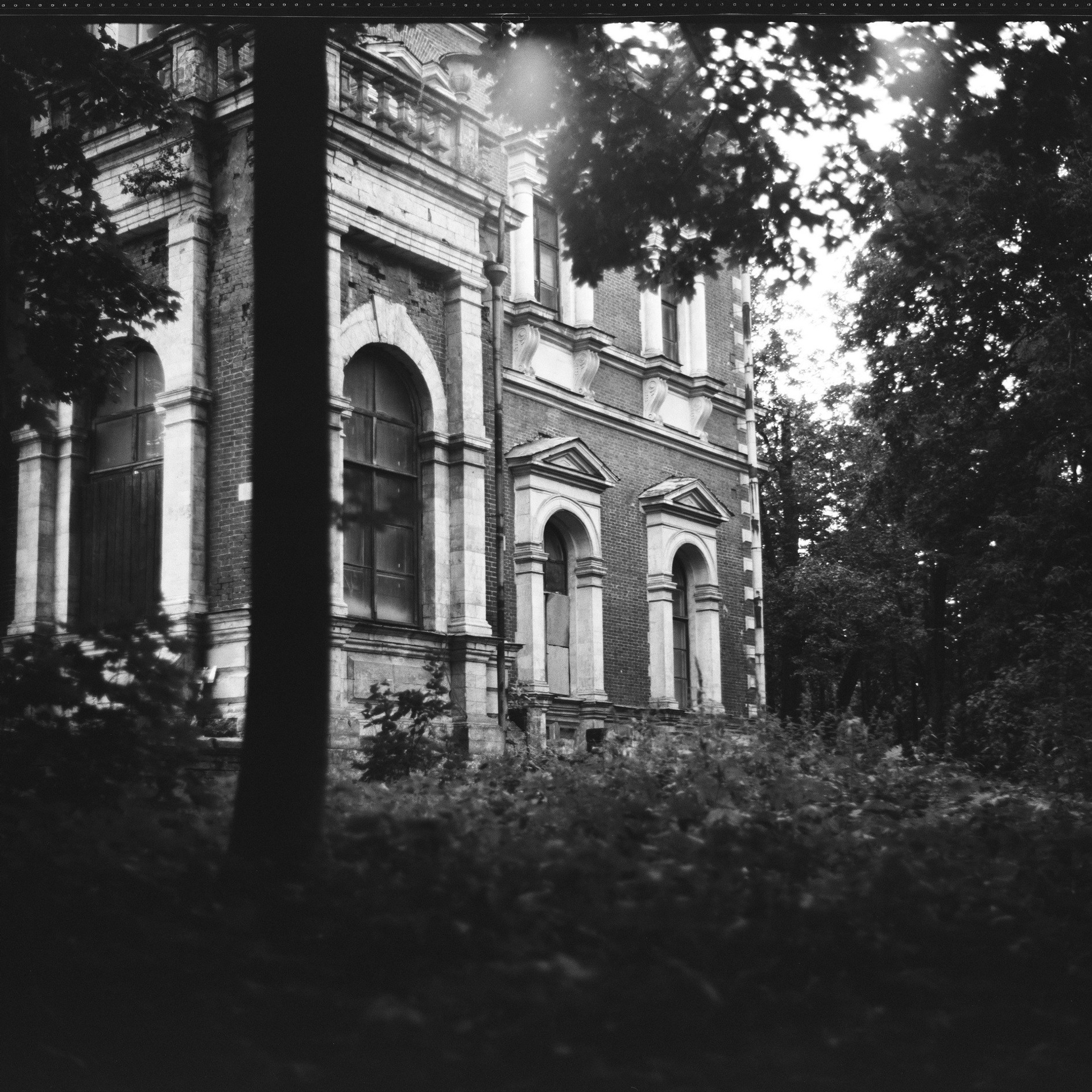
Bolshye Vyazemy Manor

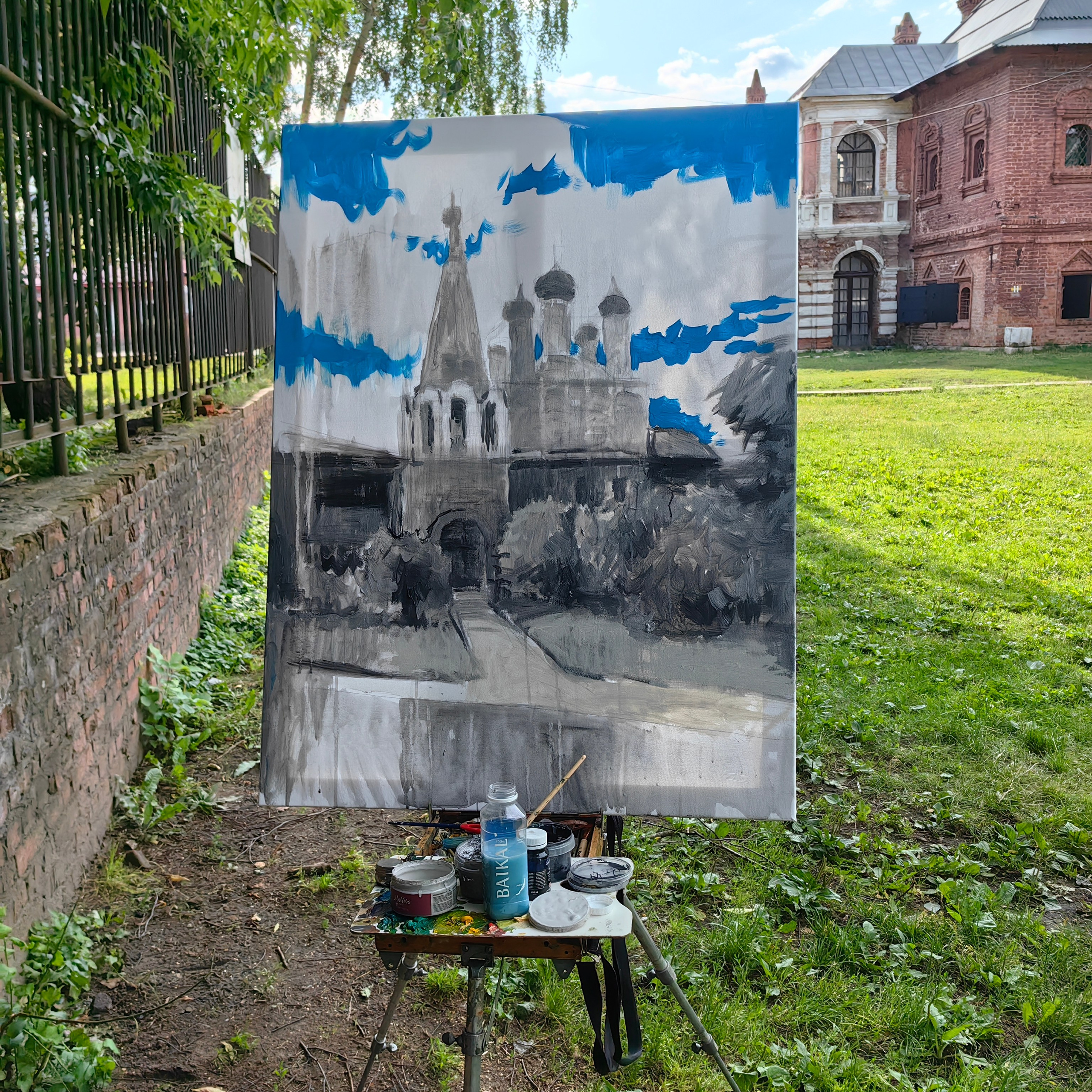
Plein air-master class