Belarusian fireplace
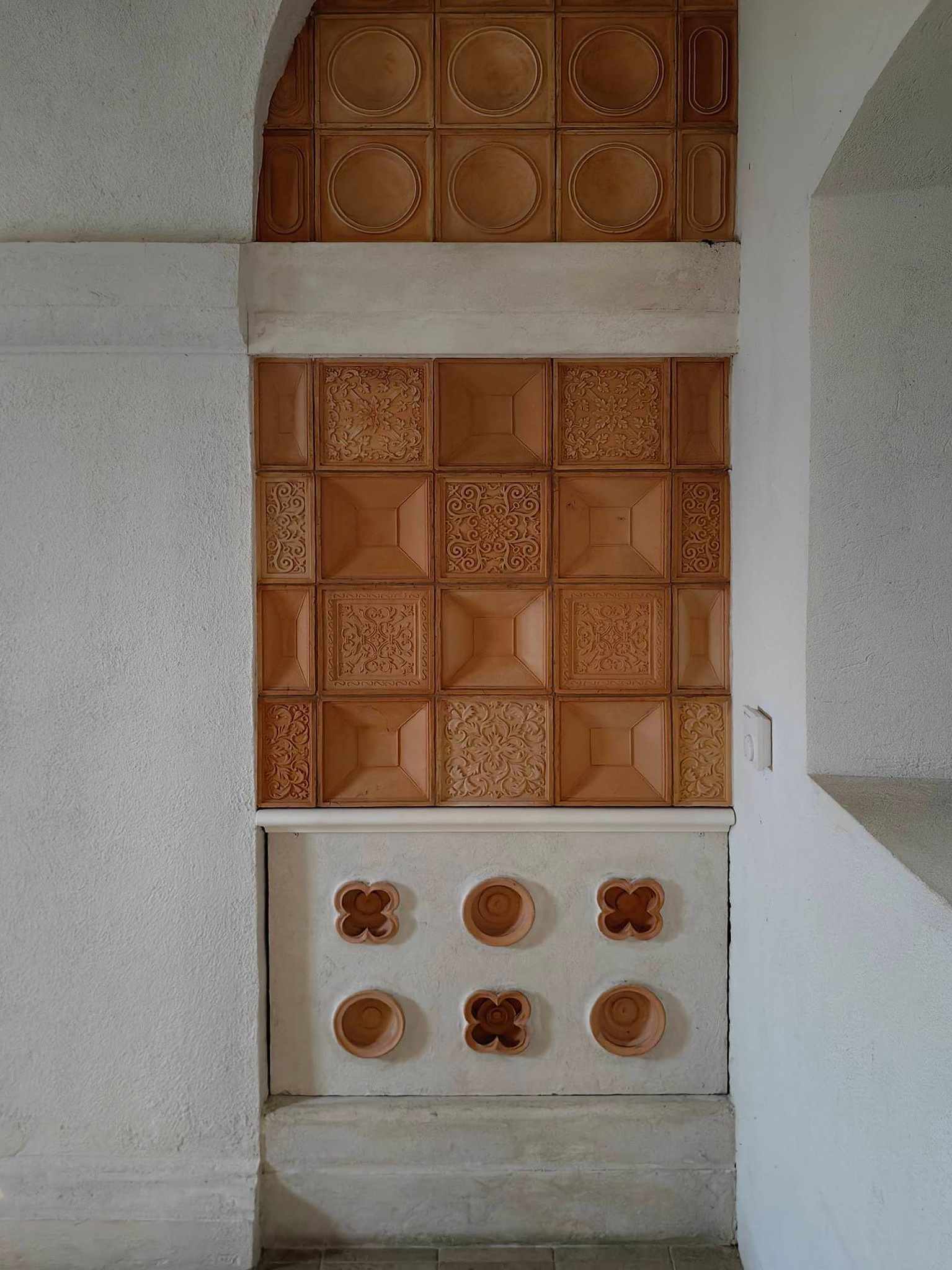
Due to the fact that I am engaged in interior design, design houses and public places, traveling for me is a collection of interesting solutions, a search for inspiration. I am currently working on a house in the historical English style, but with modern layout principles and details. On a trip to Belarus, I collected a collection of stoves/fireplaces, which used to be the only way to heat a house, palaces, etc., but now it is an accent symbol of home comfort. The most common are tiled fireplaces, or a mix of marble and tiled details.
Many landowners built ceramic factories next to their castles. Glass factories, carpentry workshops, ceramic and stone-cutting workshops, as well as livestock farms could be found in the vicinity of the castles. Everything necessary for the castle was made in the nearest settlement. It was very convenient: there was no need to wait for deliveries from Italy, it was enough to assemble the craftsmen, and they did everything themselves. The cost of the tiles was high — 120 rubles apiece, while the cow cost 4 rubles. Different guides in different museums give approximately similar amounts.
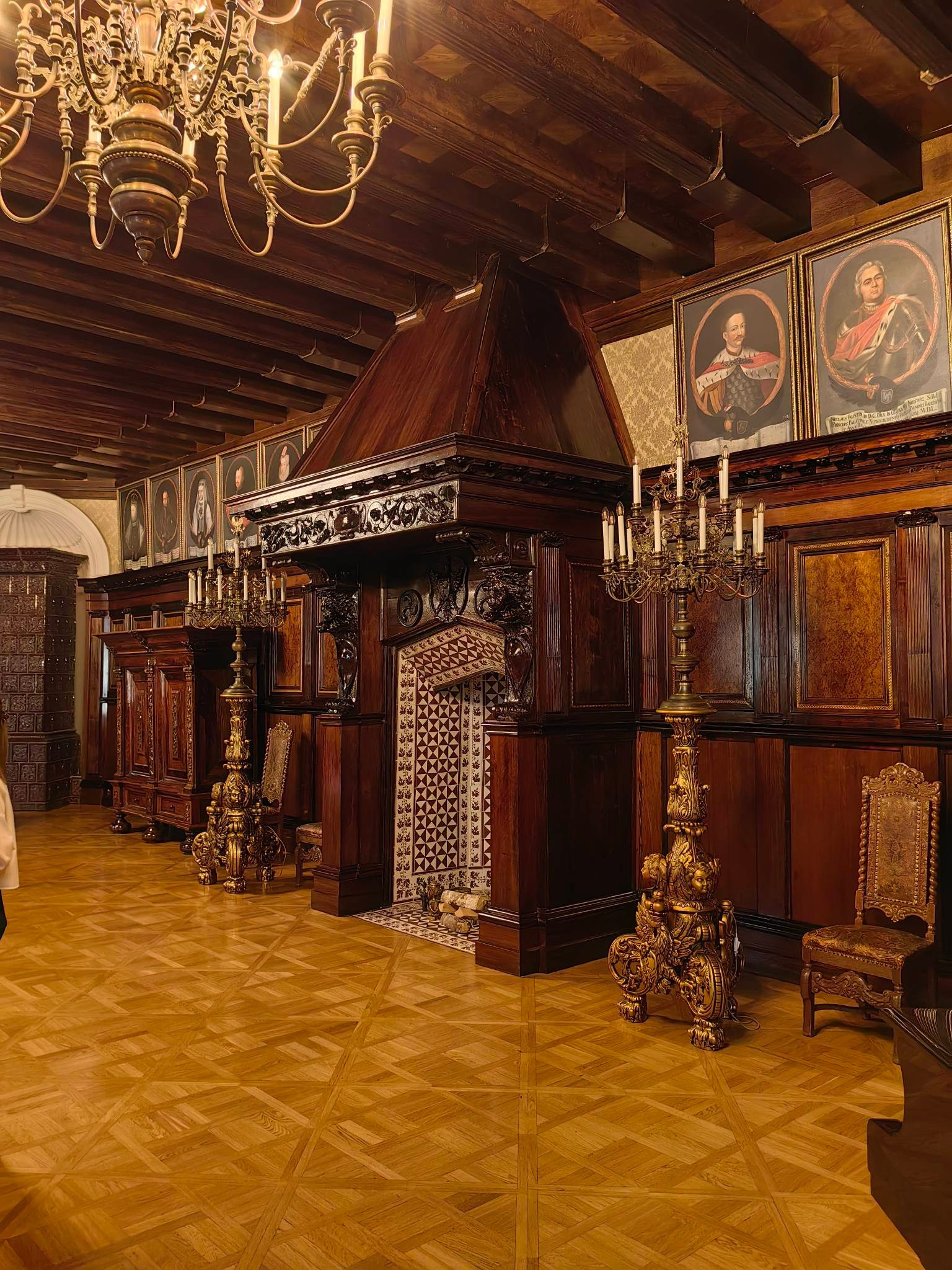
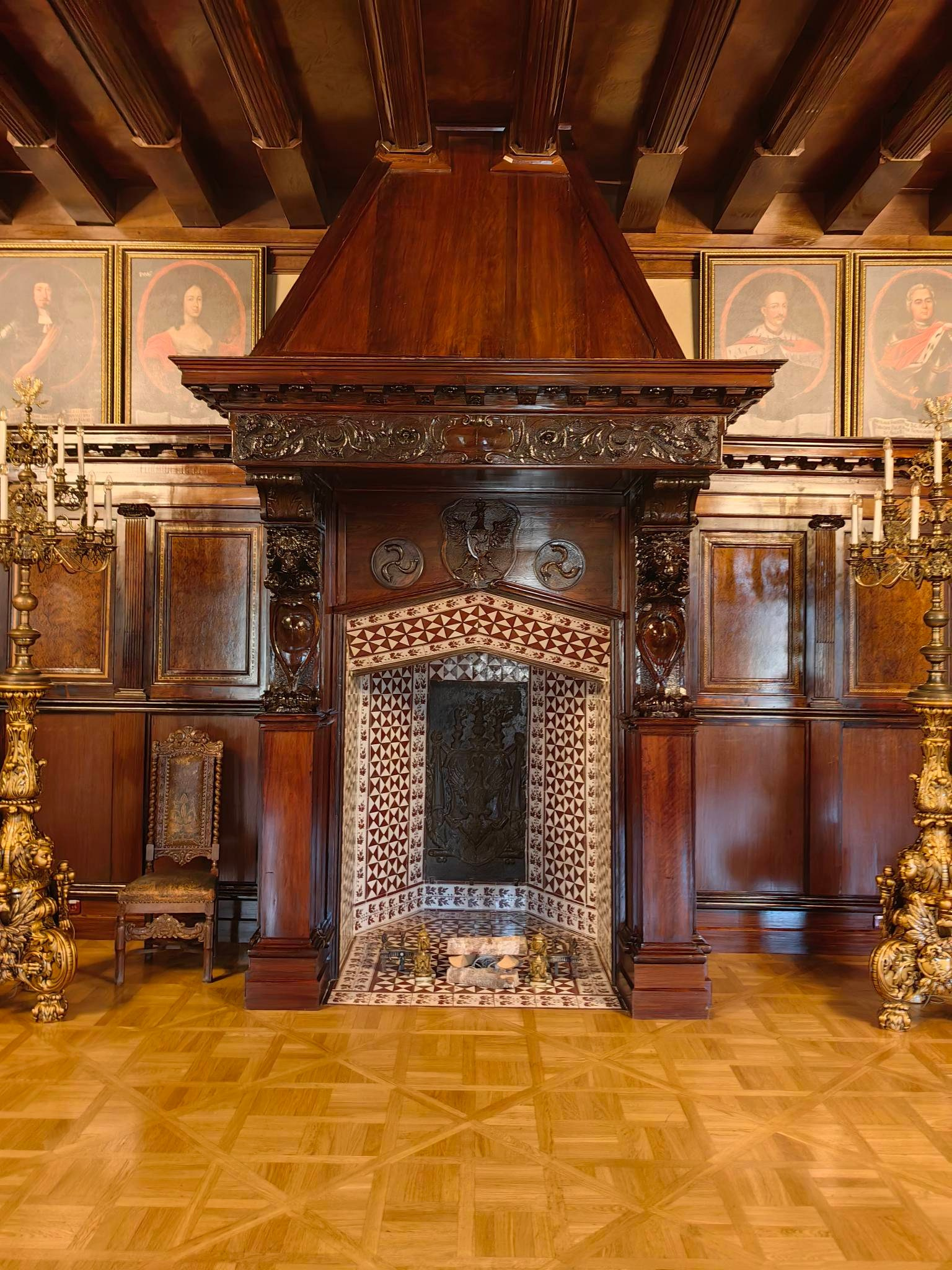
Most of the fireplaces in my collection are located in Nesvizh Castle. Initially, 180 stoves and fireplaces were installed in the castle, which were used to heat the rooms. However, after the introduction of a centralized heating system, most of the furnaces were dismantled.
There is an interesting manor in Minsk where you can see beautiful examples of fireplaces. Link
Examples of different fireplaces
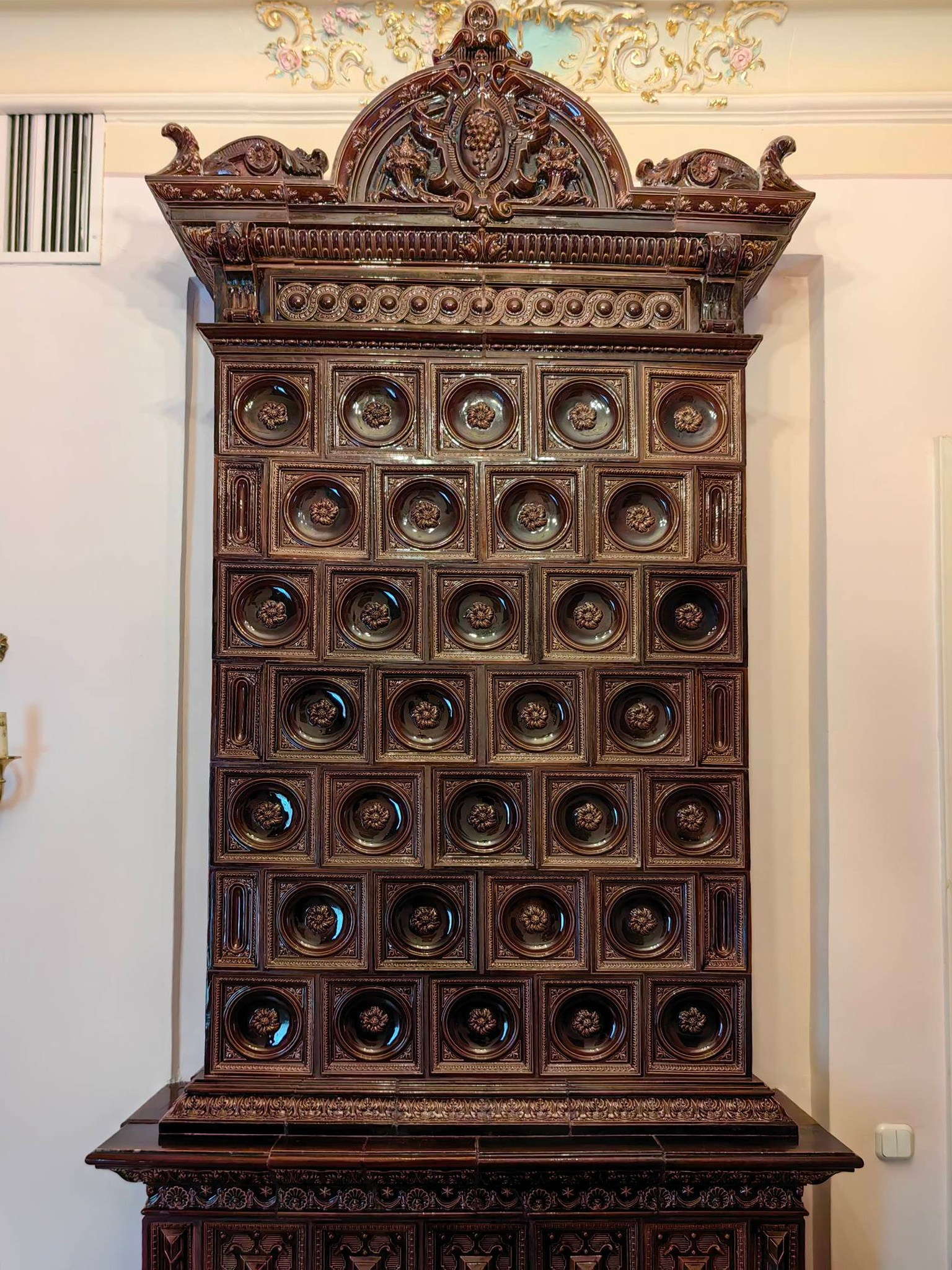
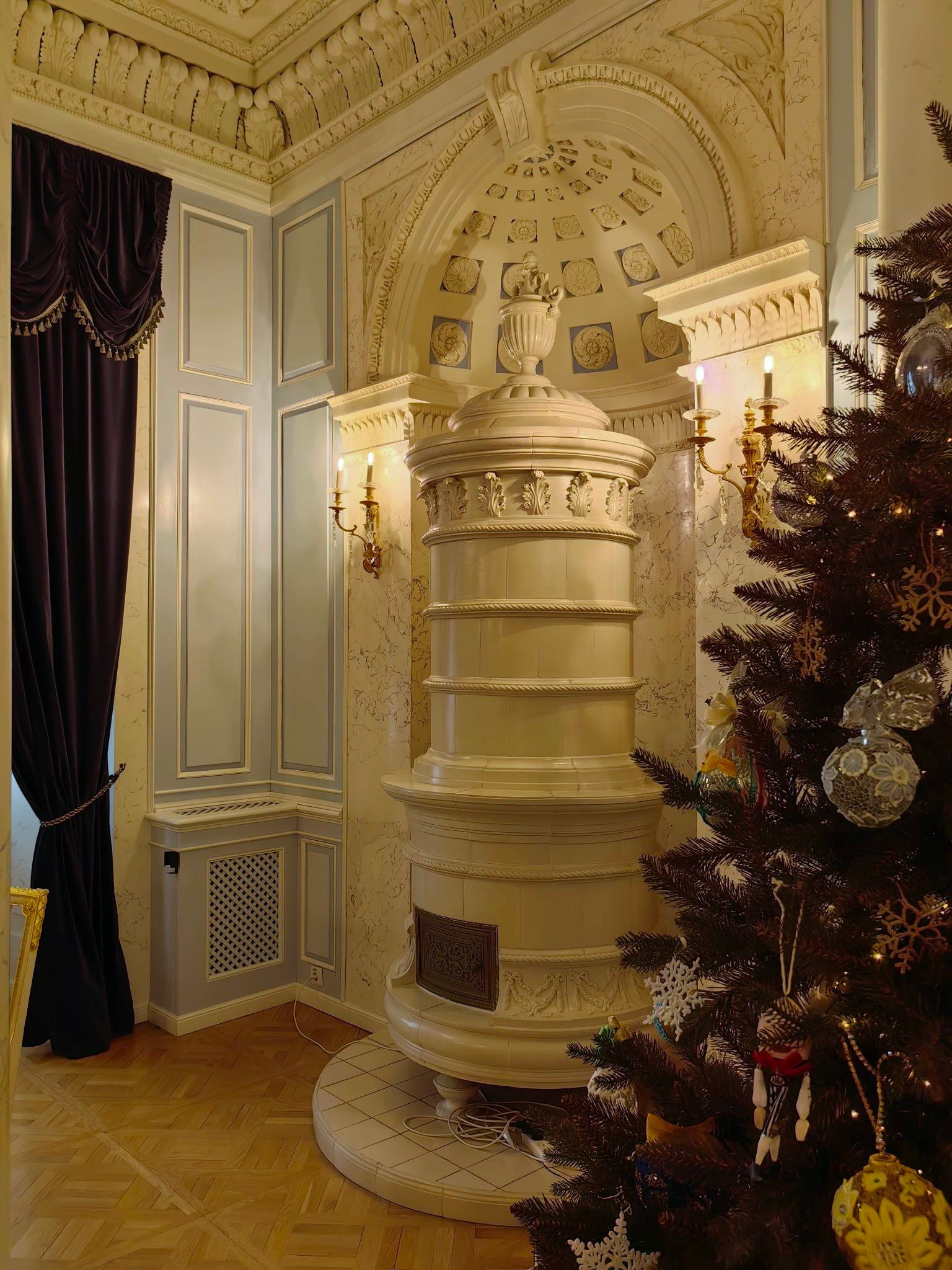
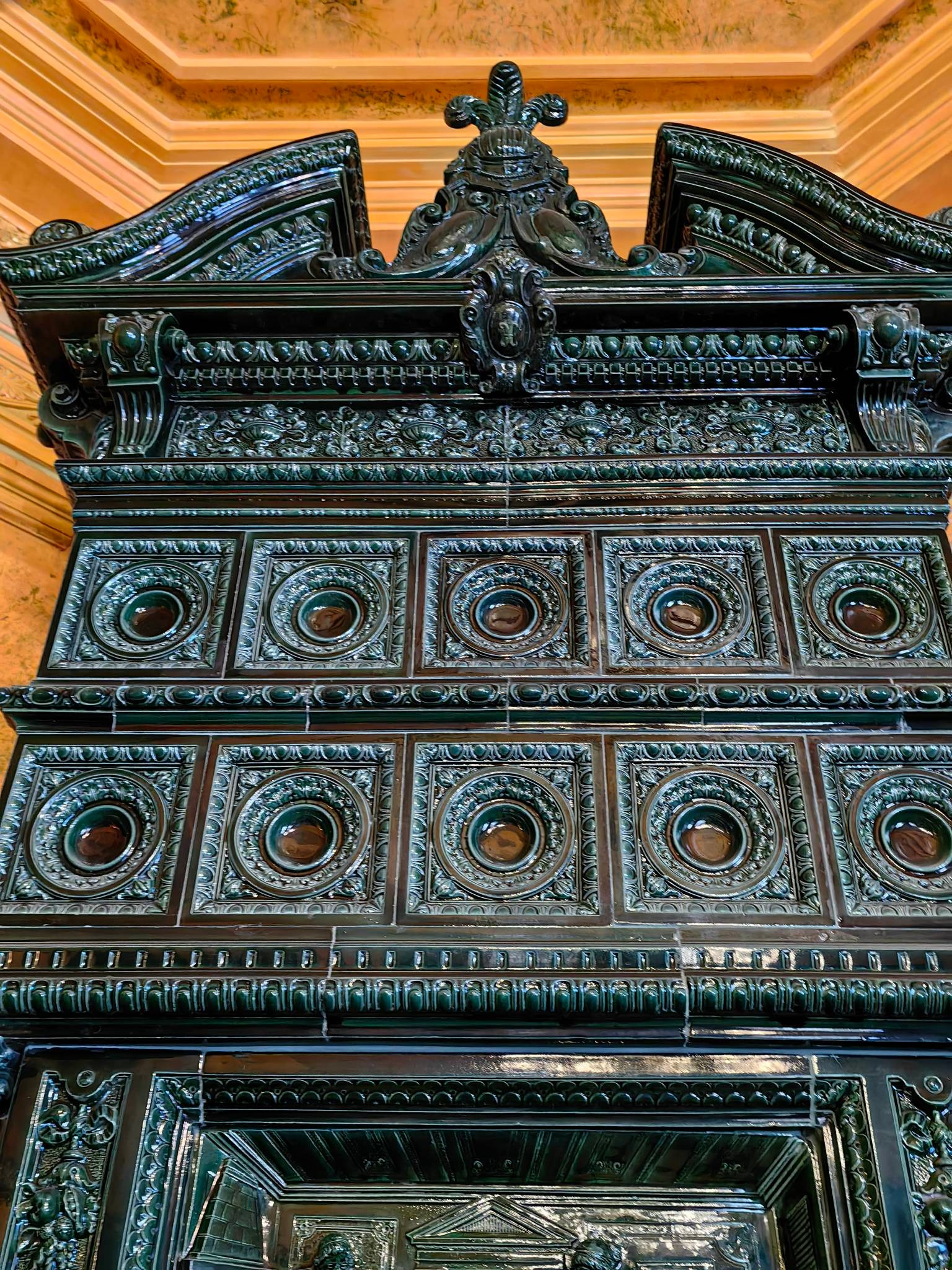
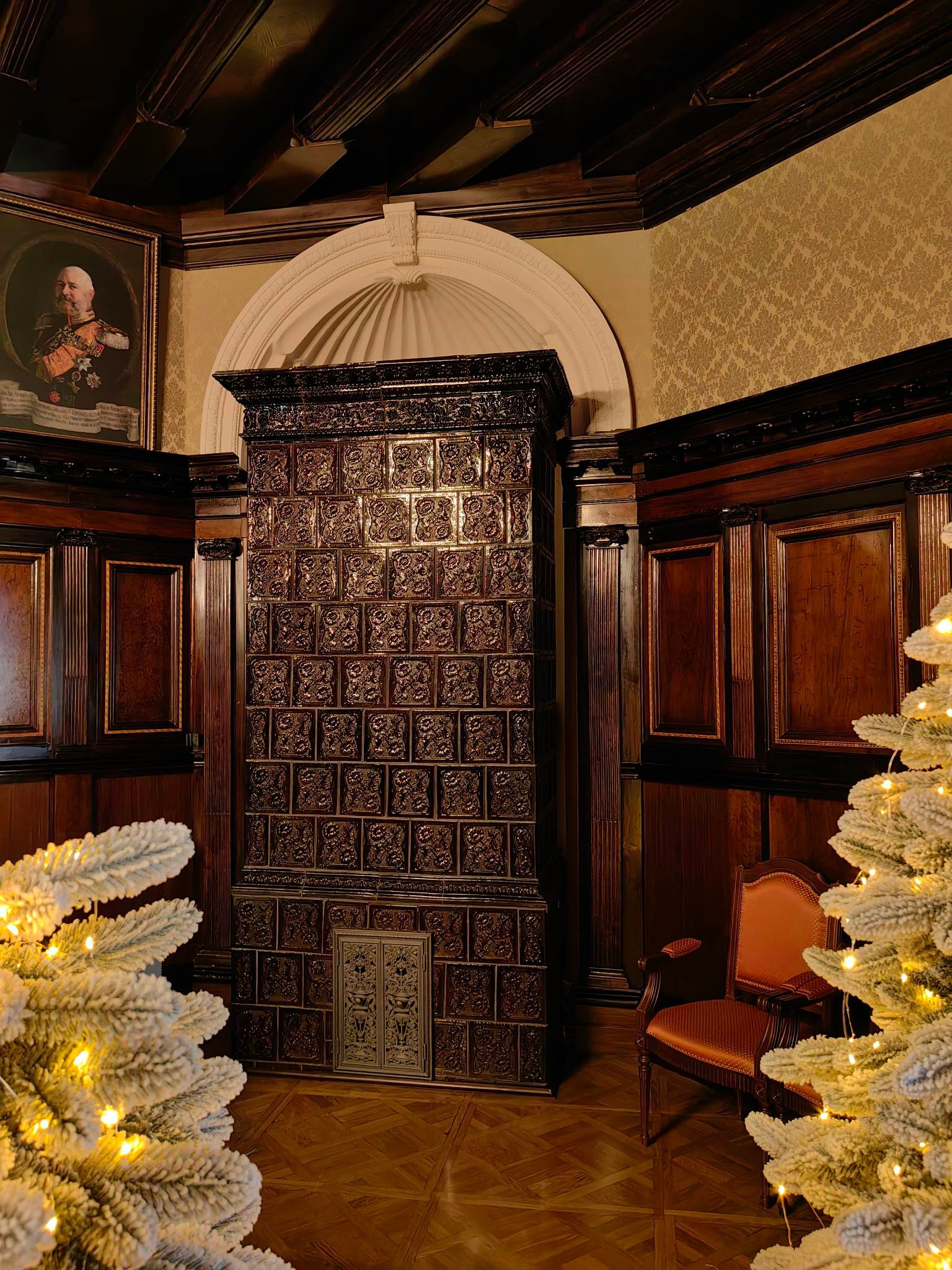
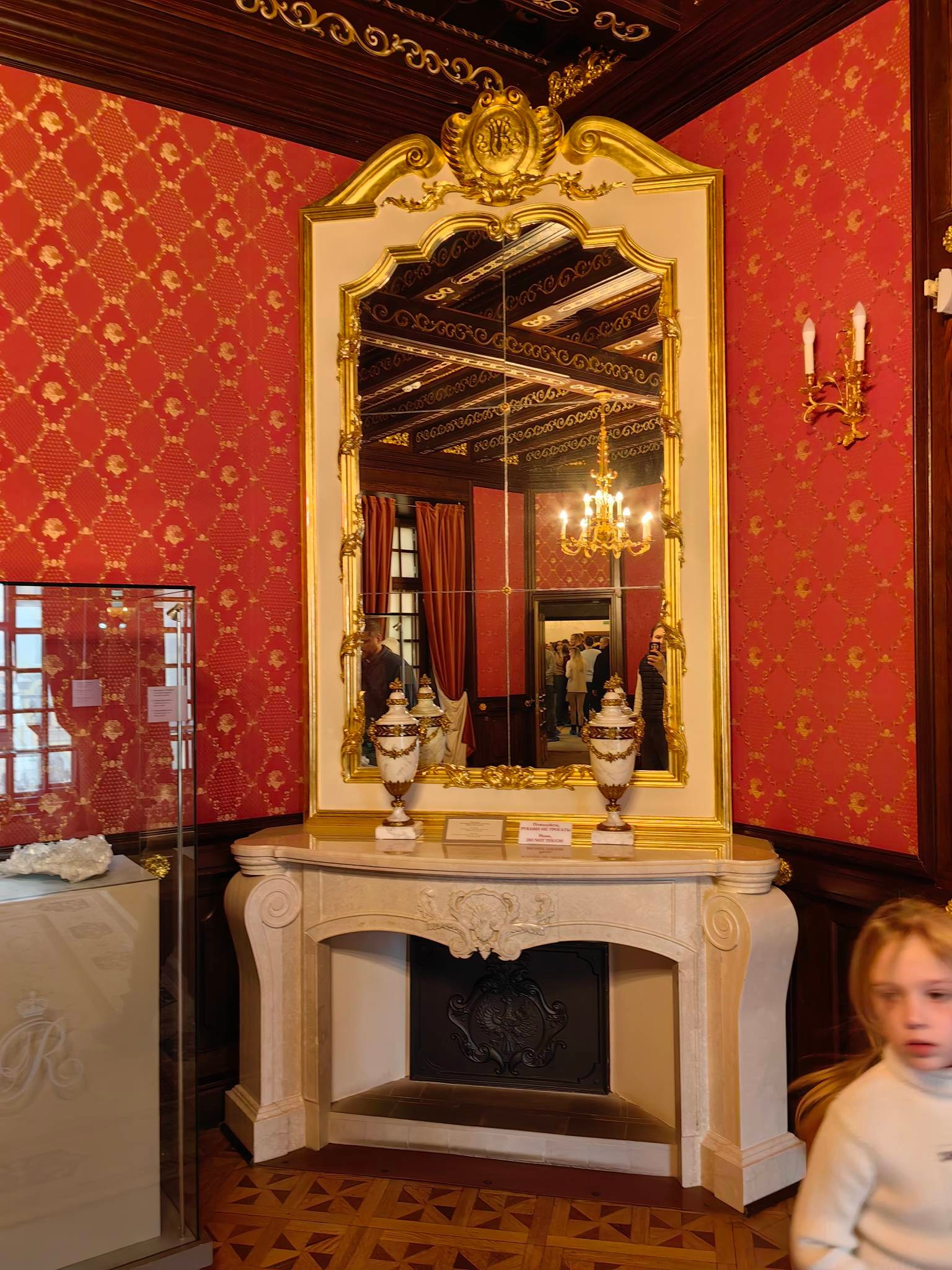
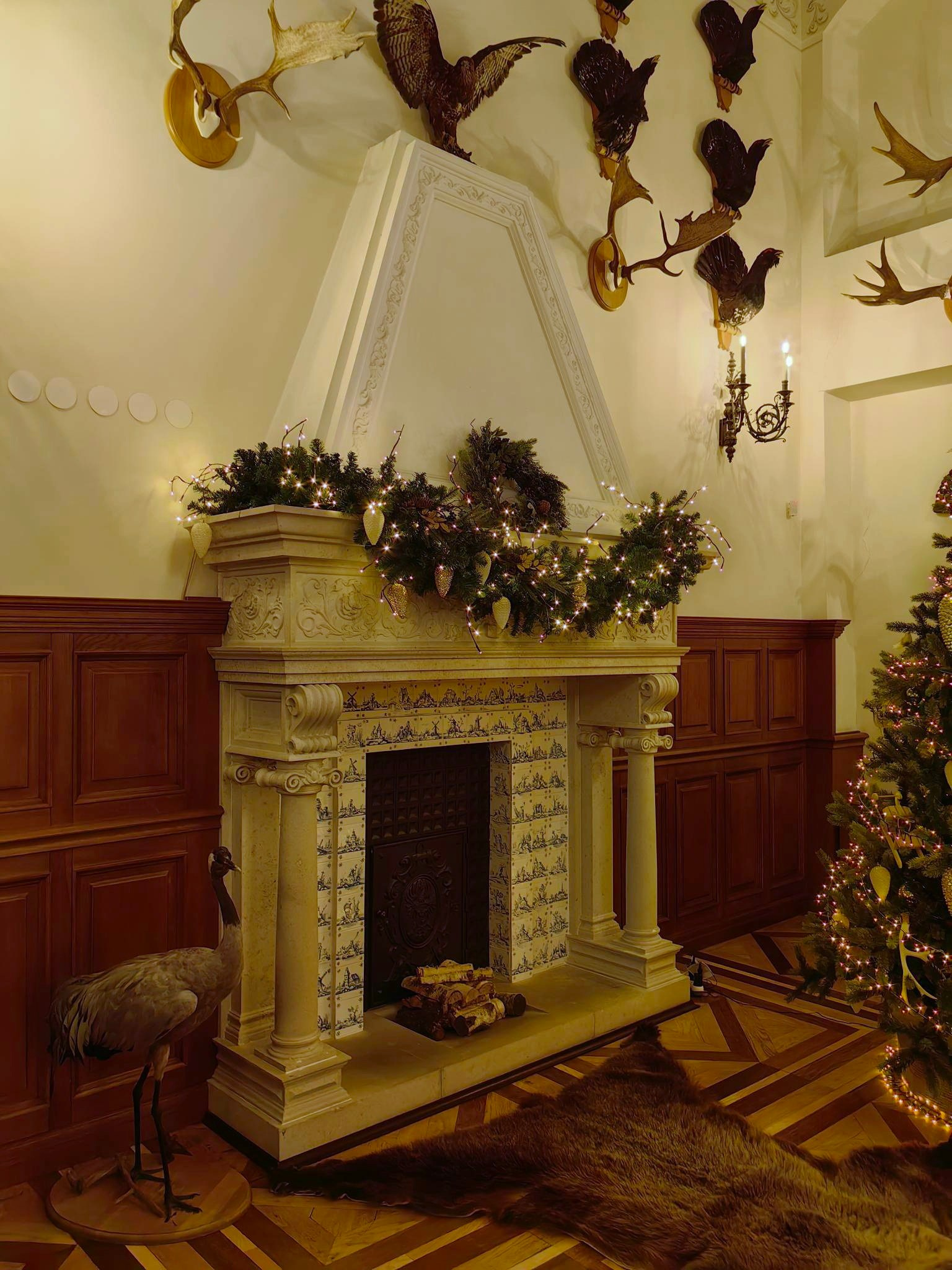
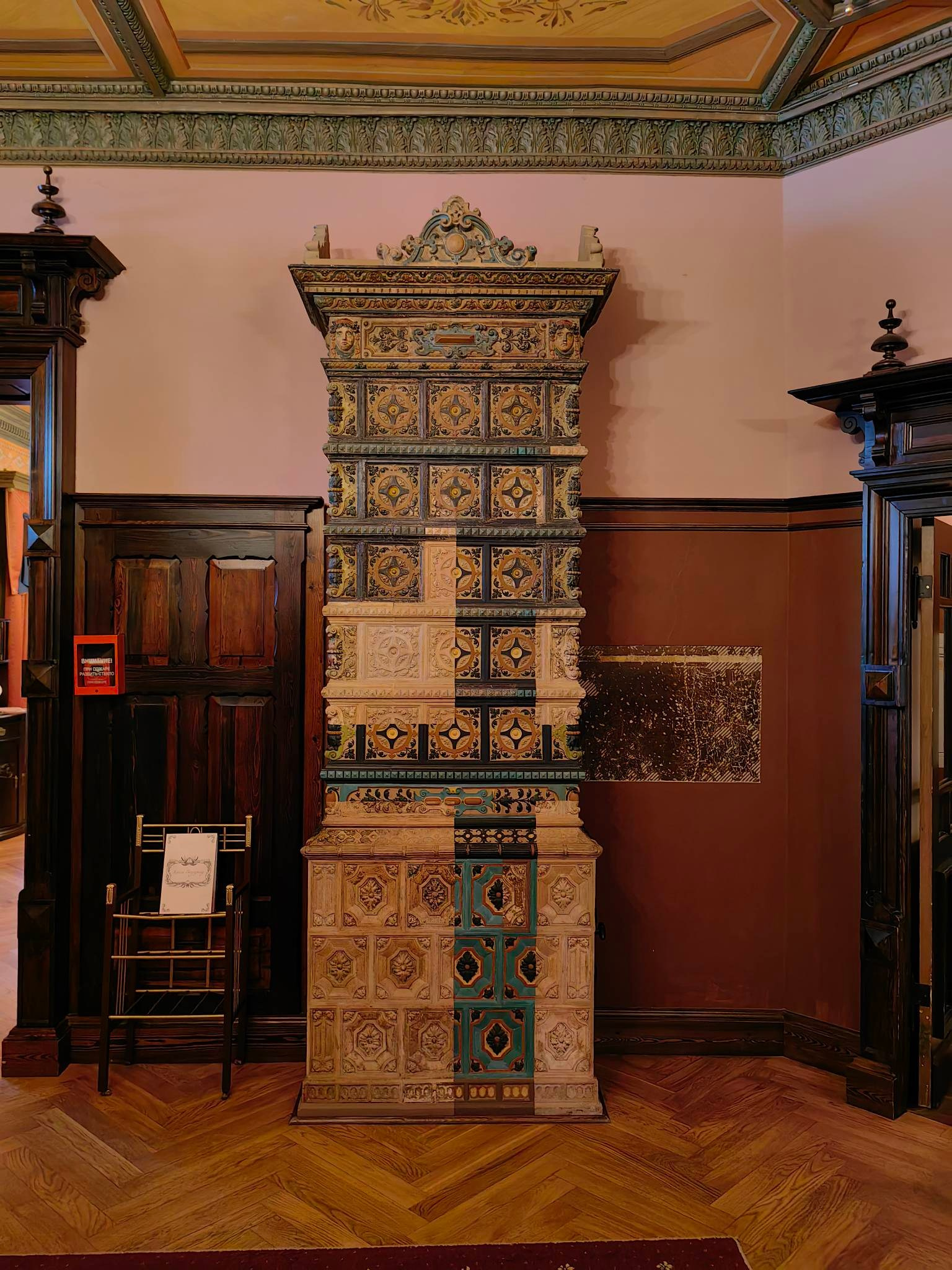
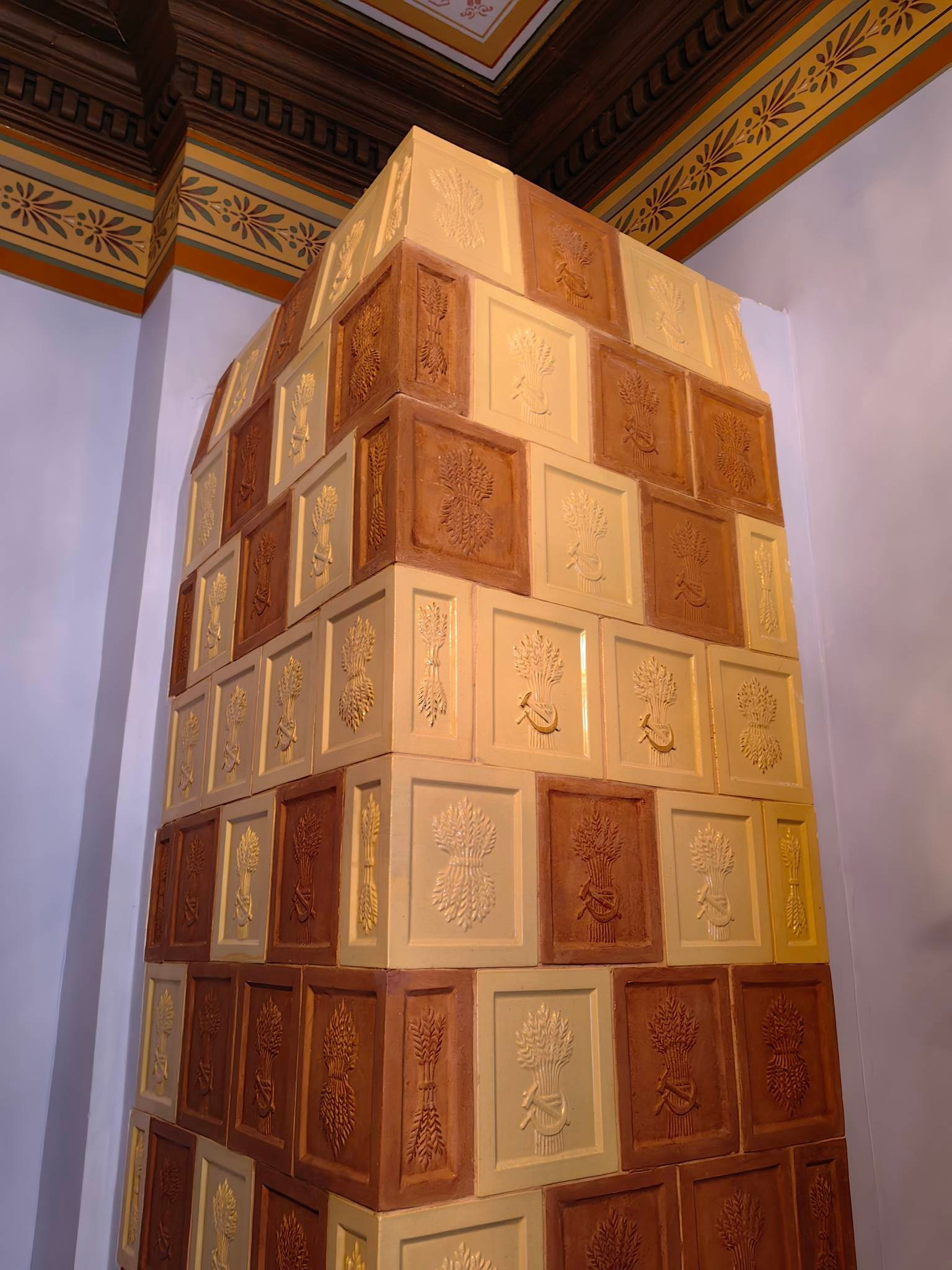
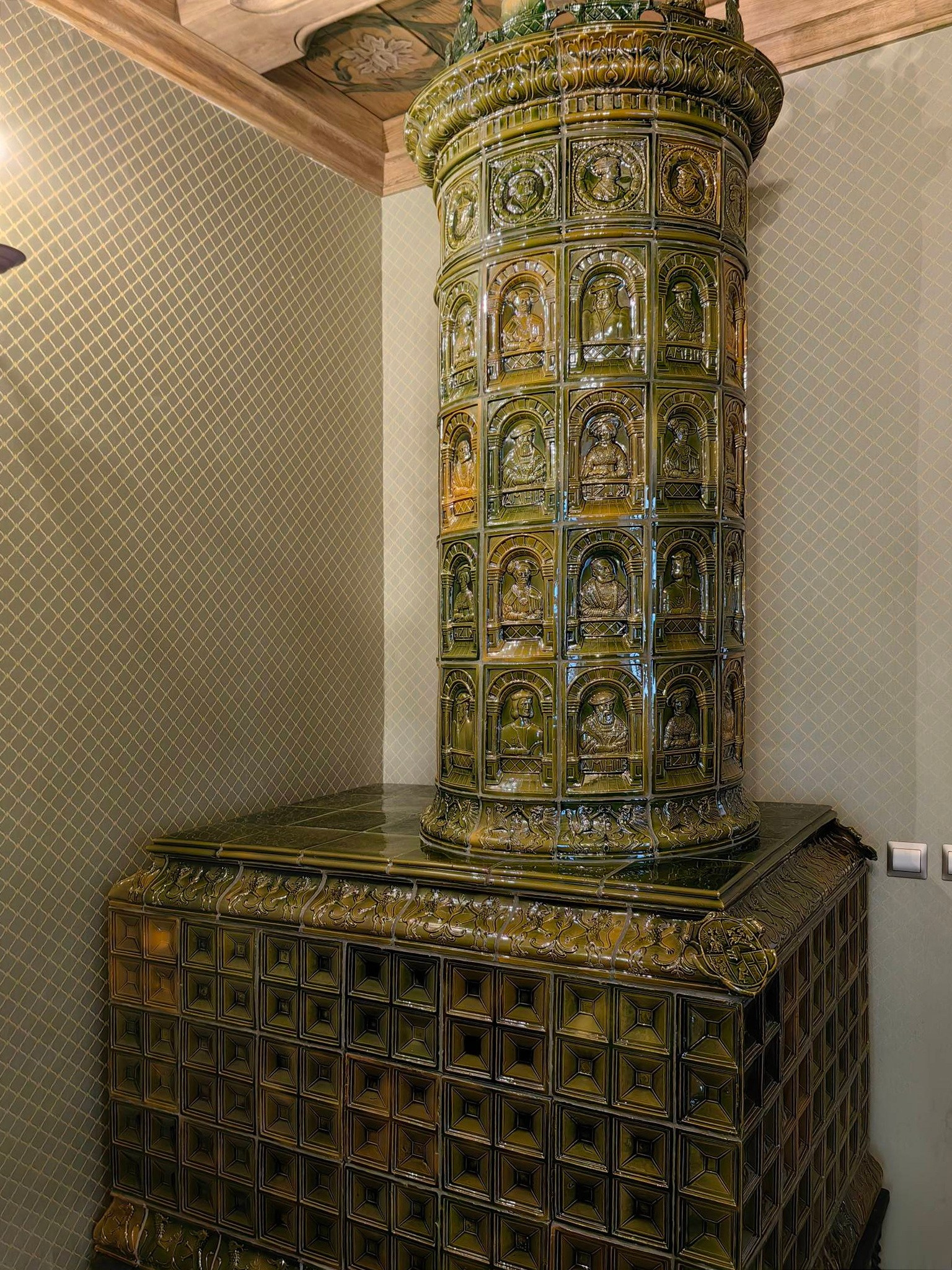
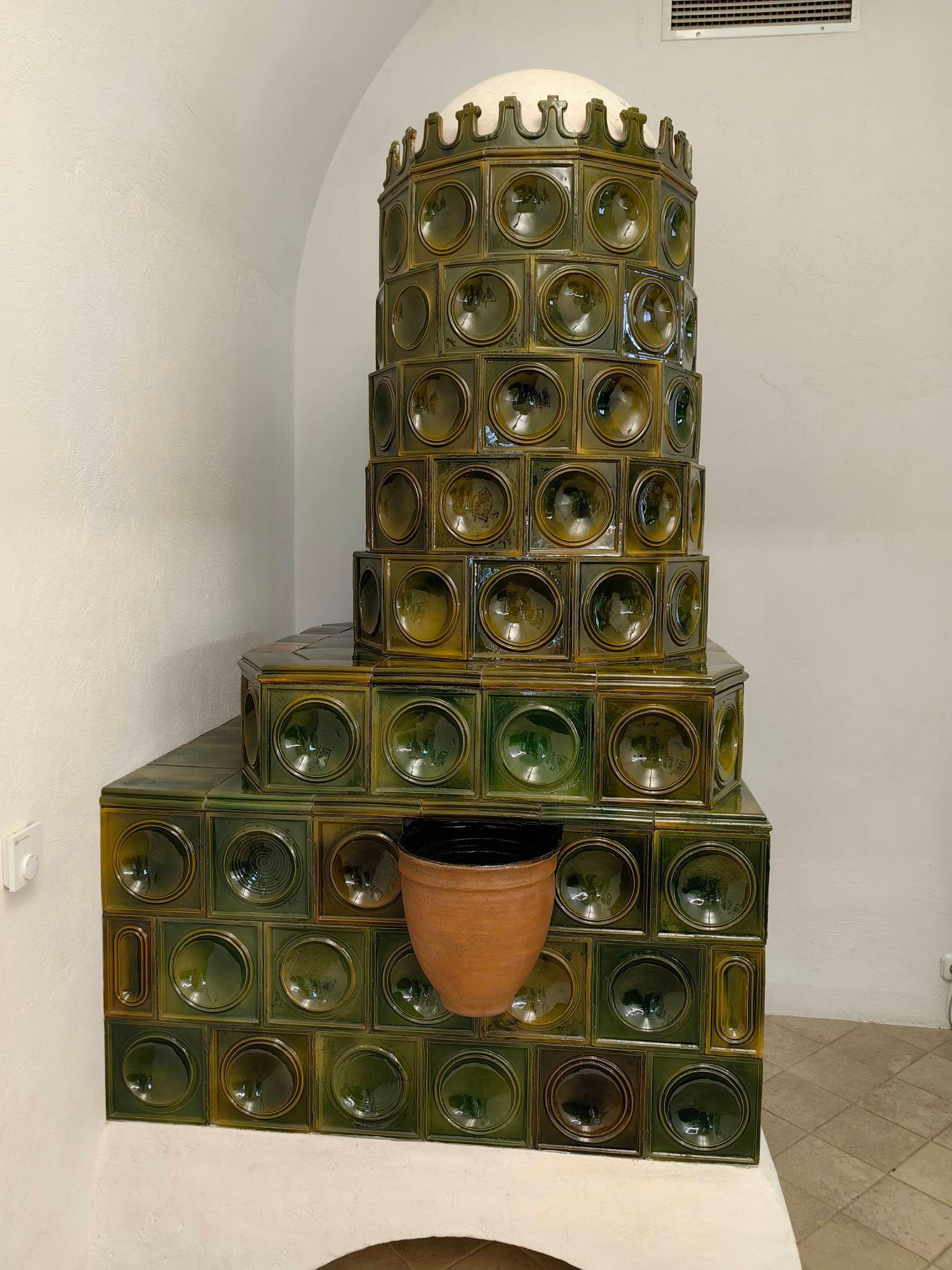
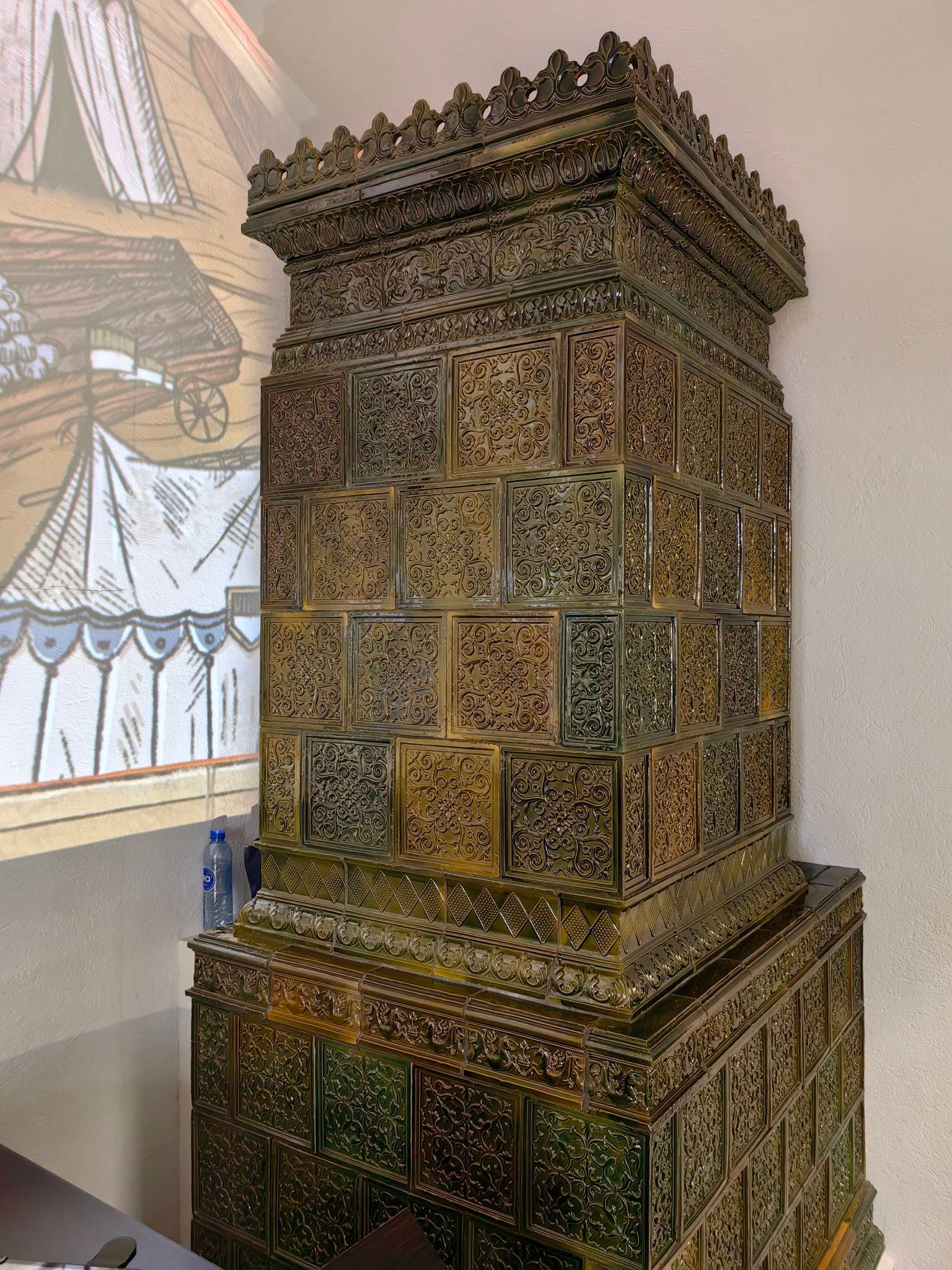
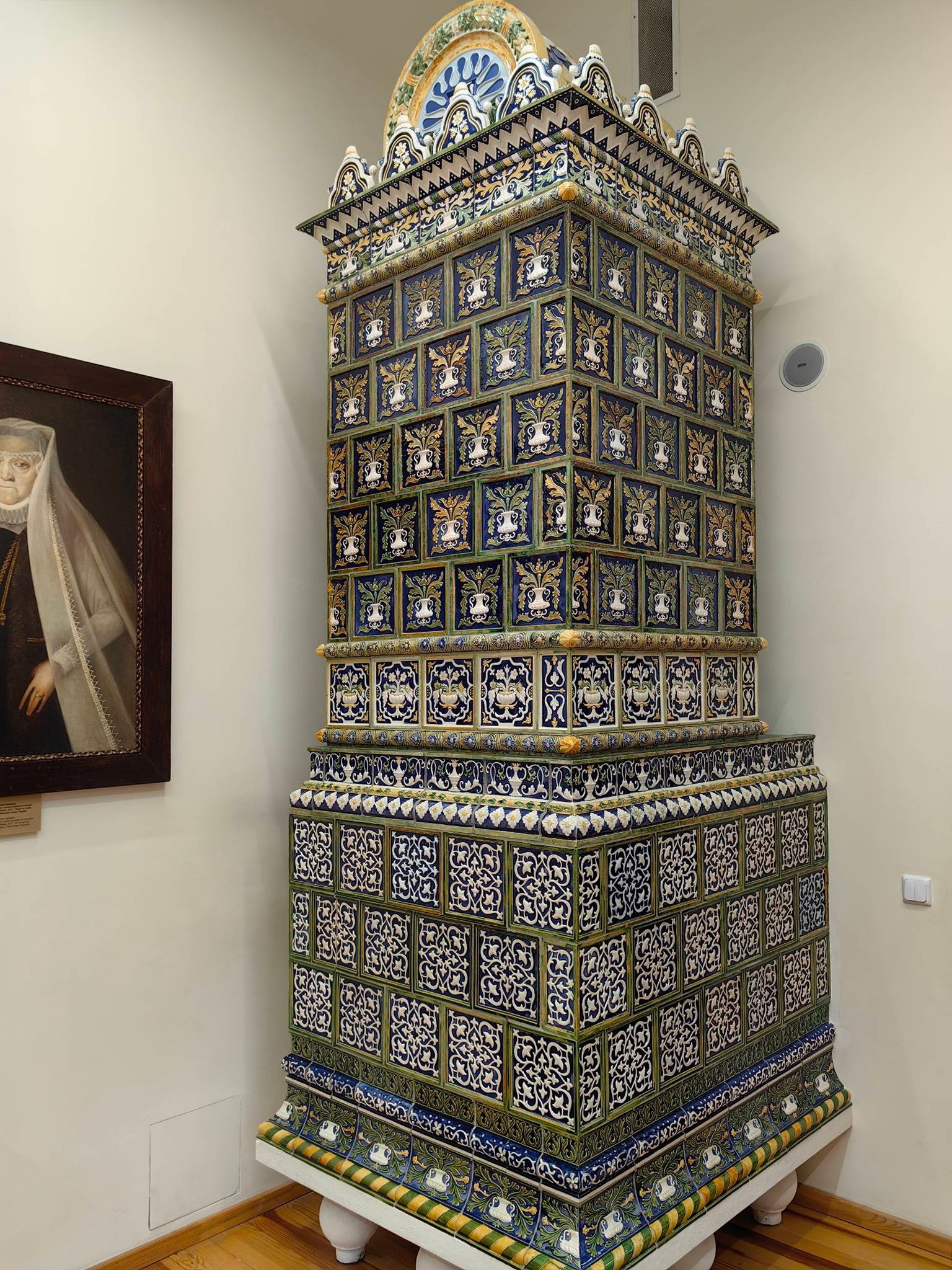
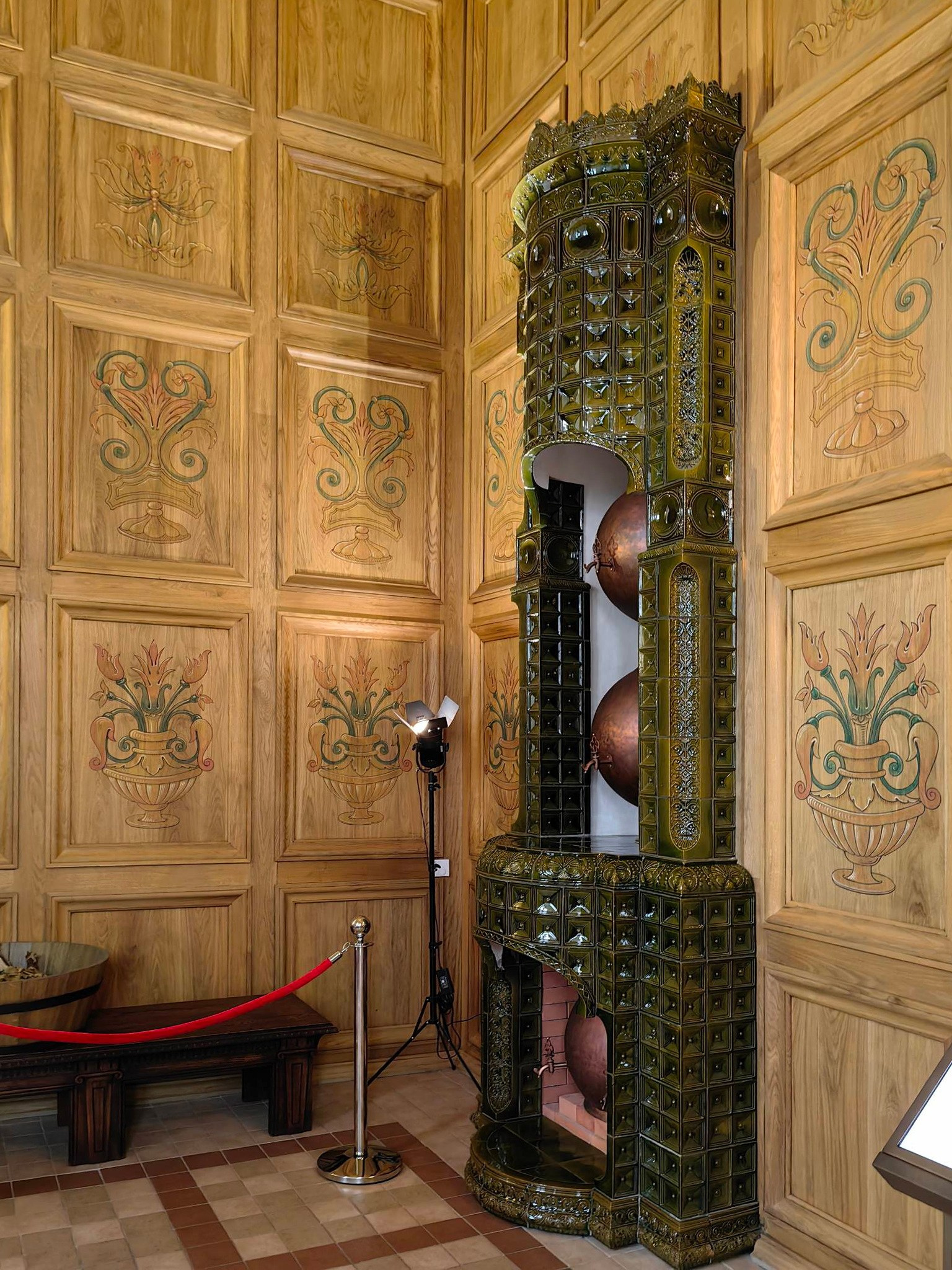
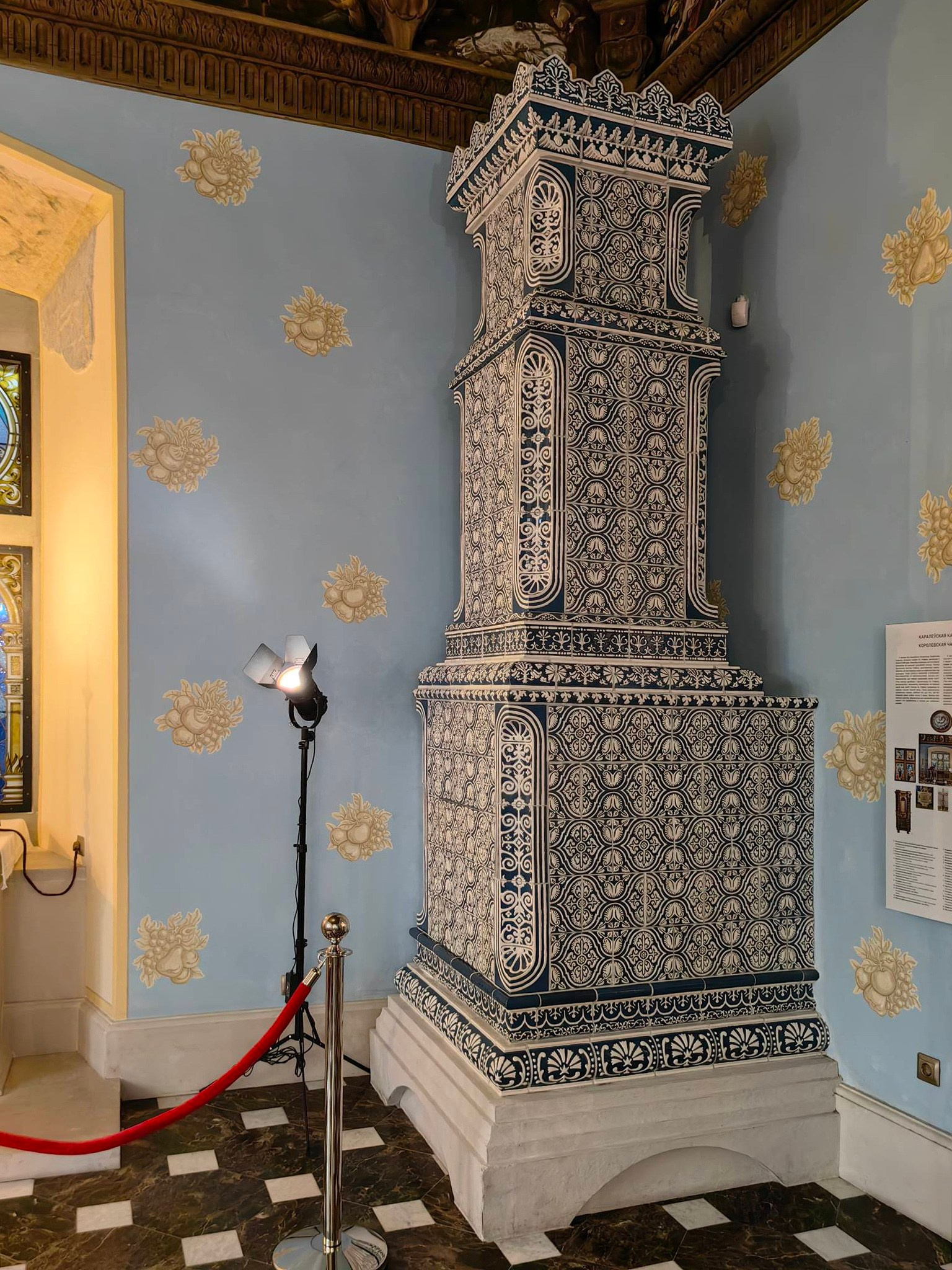
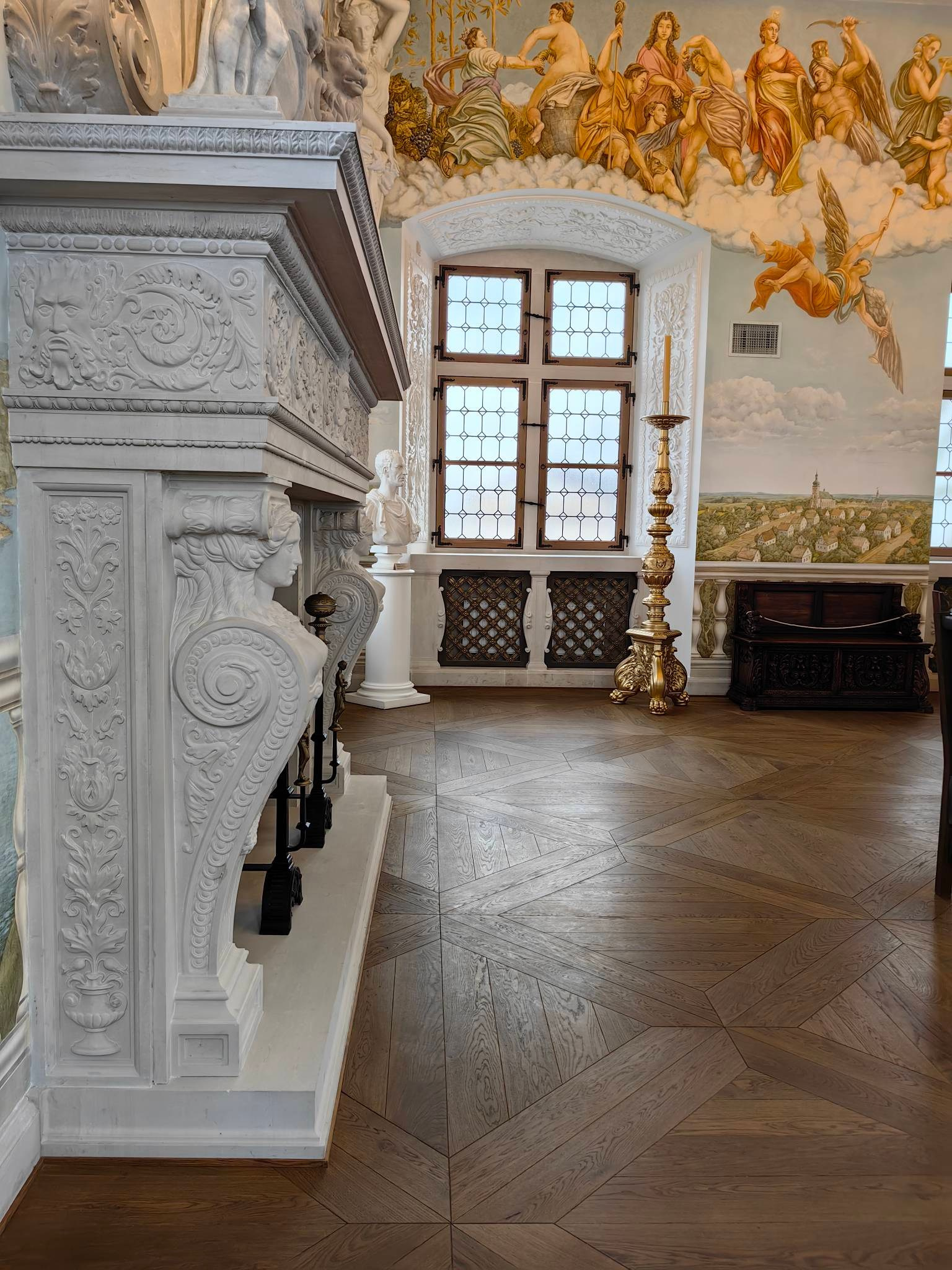
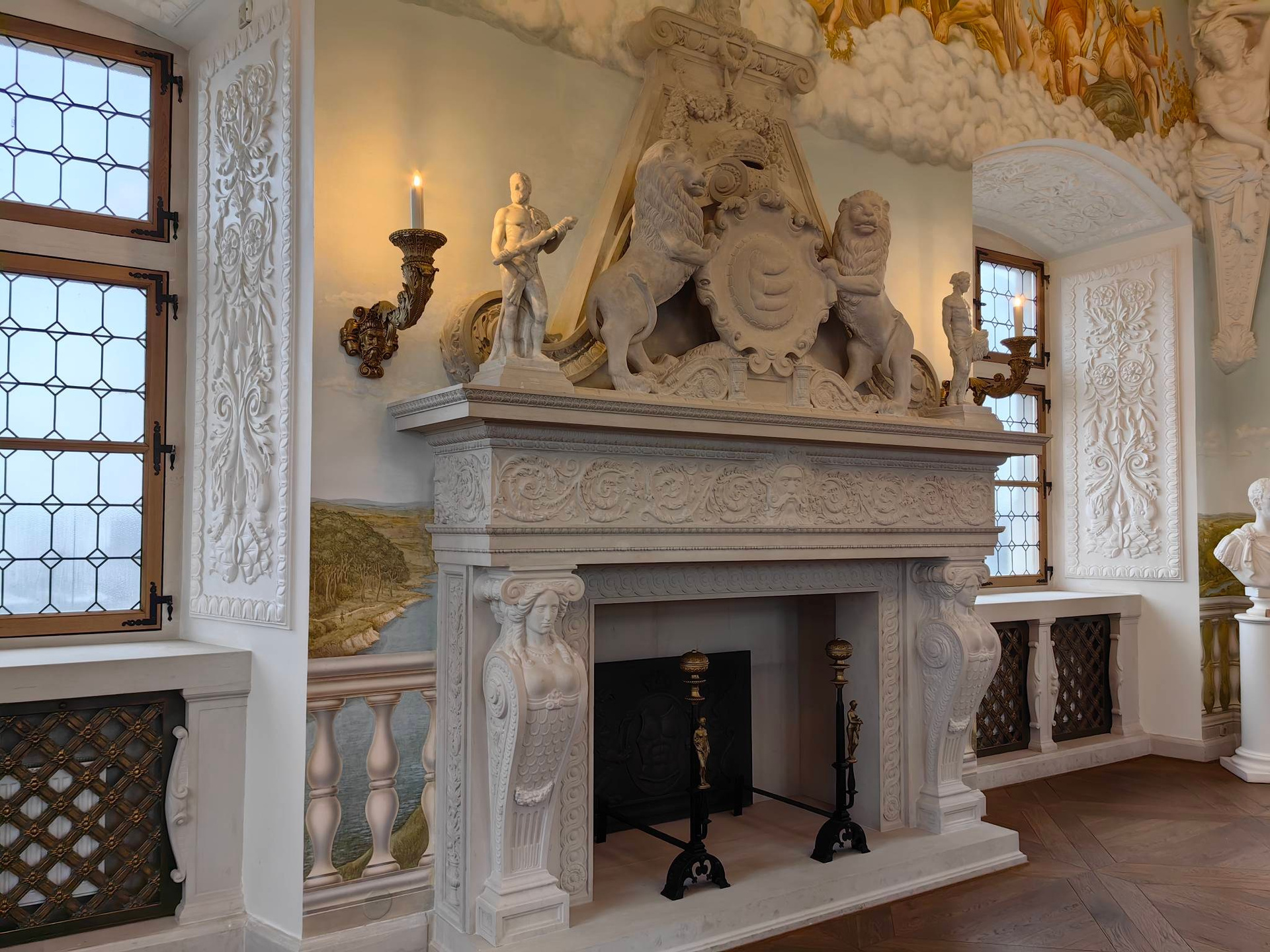
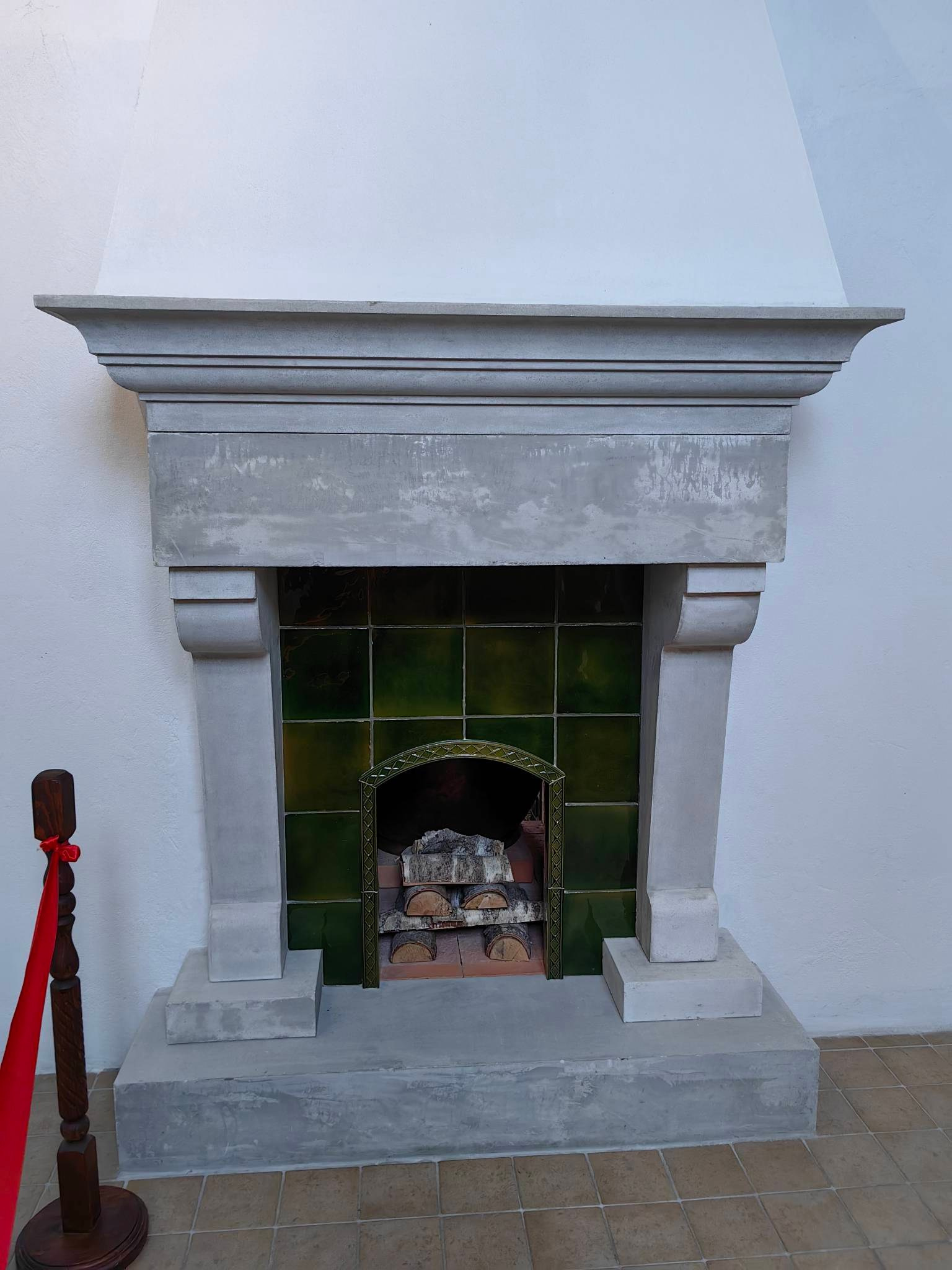
Belarusian tiles
From practicality to art Ceramics have always occupied an important place in the Belarusian culture. Already in the XI century, craftsmen from Polotsk used ceramic tiles to decorate the interior walls and floors of houses. Back then, her main task was not to decorate, but to protect her home. The tile protected from moisture, kept warm and served for a long time. Over time, ceramics has become an important element of Belarusian folk art, becoming a symbol of comfort and durability.
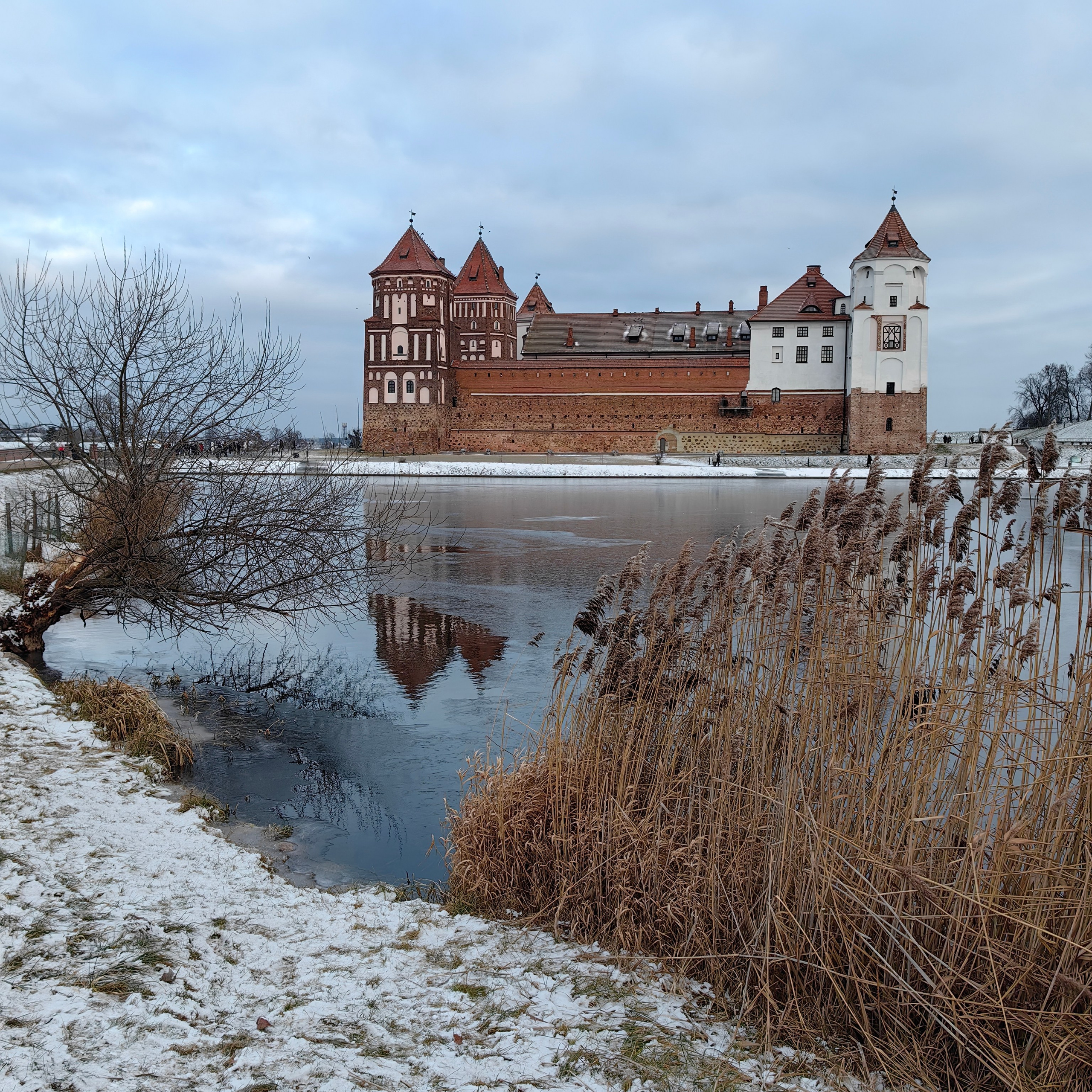
Belarusian tiles, or tiles, are an important part of the world of decorative and applied art. Archaeological finds on the territory of Belarus, such as ceramic products and their fragments, as well as objects from museum collections, allow us to trace the development of art and craftsmanship of artisans. Among the key centers for the development of ceramics are Polotsk, Grodno, the village of Mir in the Grodno region and Vitebsk. You can read more about Mir Castle here.
In Polotsk, the first samples of tiles for stoves appeared, which were completely different from modern ones. These were potted tiles that were shaped like a glass. They were made on a potter’s wheel, then fired and embedded in an adobe oven. Their shape allowed them to accumulate heat. The bottom of such a tile was heated, and a high temperature remained in its cavity for a long time. Over time, the shape of the tiles changed, and they became more and more diverse. The round neck of the potted tiles gradually turned into a petal, and then into a square one.
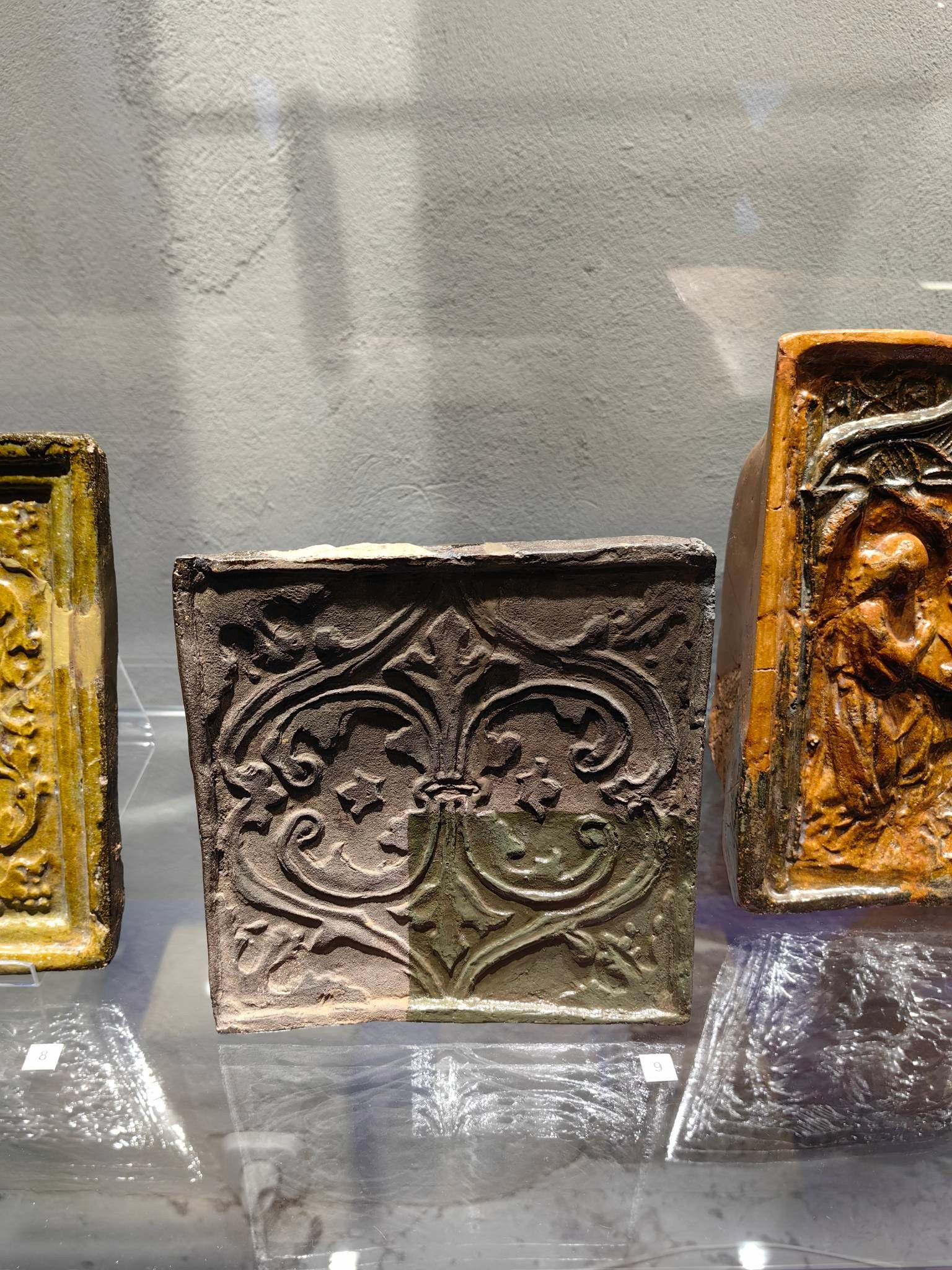
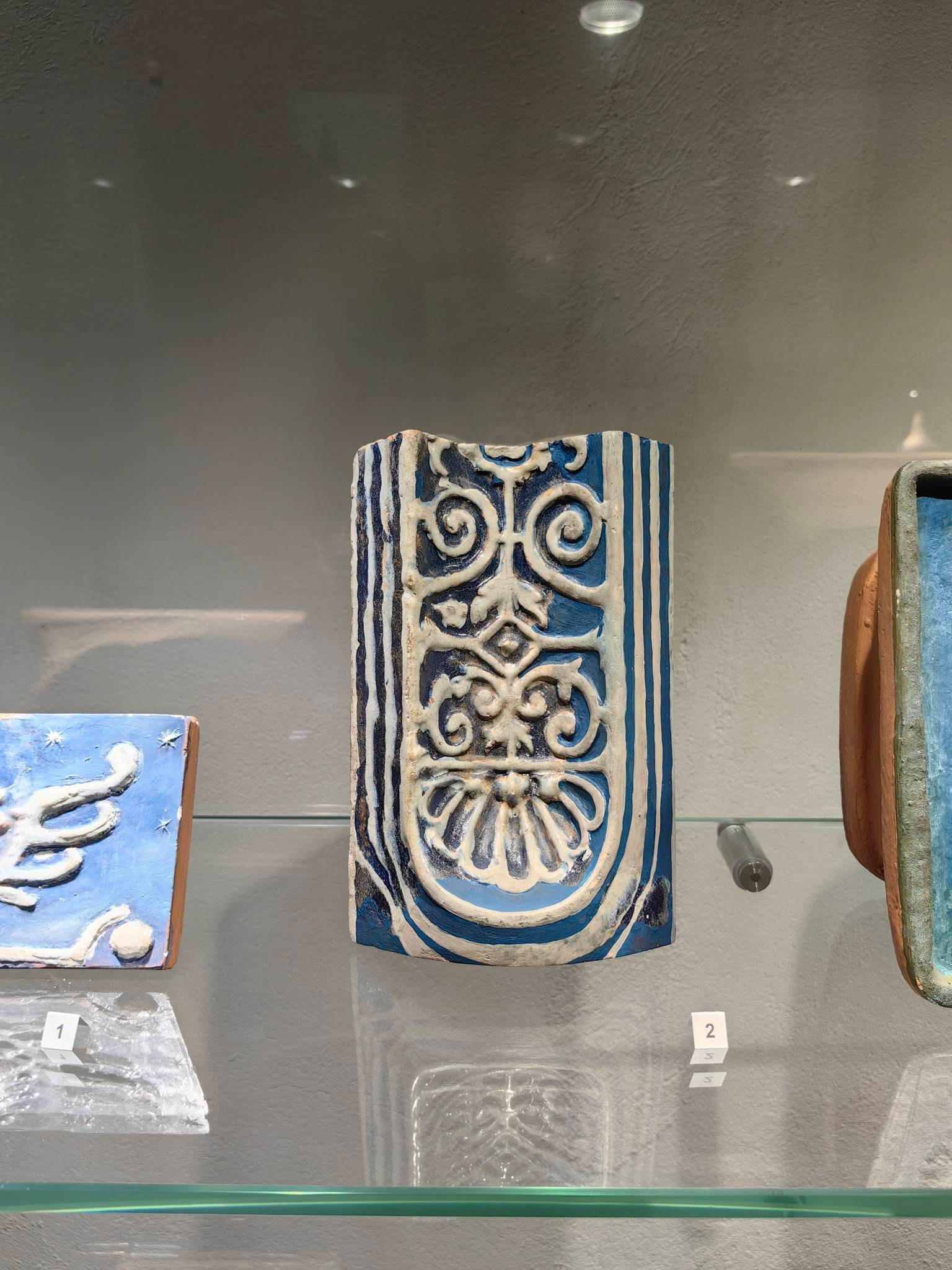
In the 14th century, craft centers appeared, which contributed to the active development of folk art, including pottery. And already in the XV century, a new type of stove tiles appeared — box tiles. They have a square shape, and on the reverse side there is a hollow tiller, an element that allows the tiles to be embedded in the wall of the furnace.
In the 16th century, the art of ceramics began to flourish in Belarus. At this time, there is an economic and cultural upsurge. Active construction begins, and fireplaces and stoves become an integral part of the homes of notable people. Box-shaped tiles continue to be used to decorate fireplaces and stoves, but now their lower part becomes a decorative element and is usually decorated with relief ornaments. The stoves are completely covered with tiles. They not only heat the room, but also become an important part of the interior.
The process of creating tiles for stoves is undergoing changes. Now it is impossible to create a new type of tiles using only a potter’s wheel. A significant contribution to the development of the art of ceramics was made by the masters of woodcarving, who created molds for casting tiles. Ceramists filled these molds with clay, formed a tiller, dried the tiles, removed them from the molds and fired them.
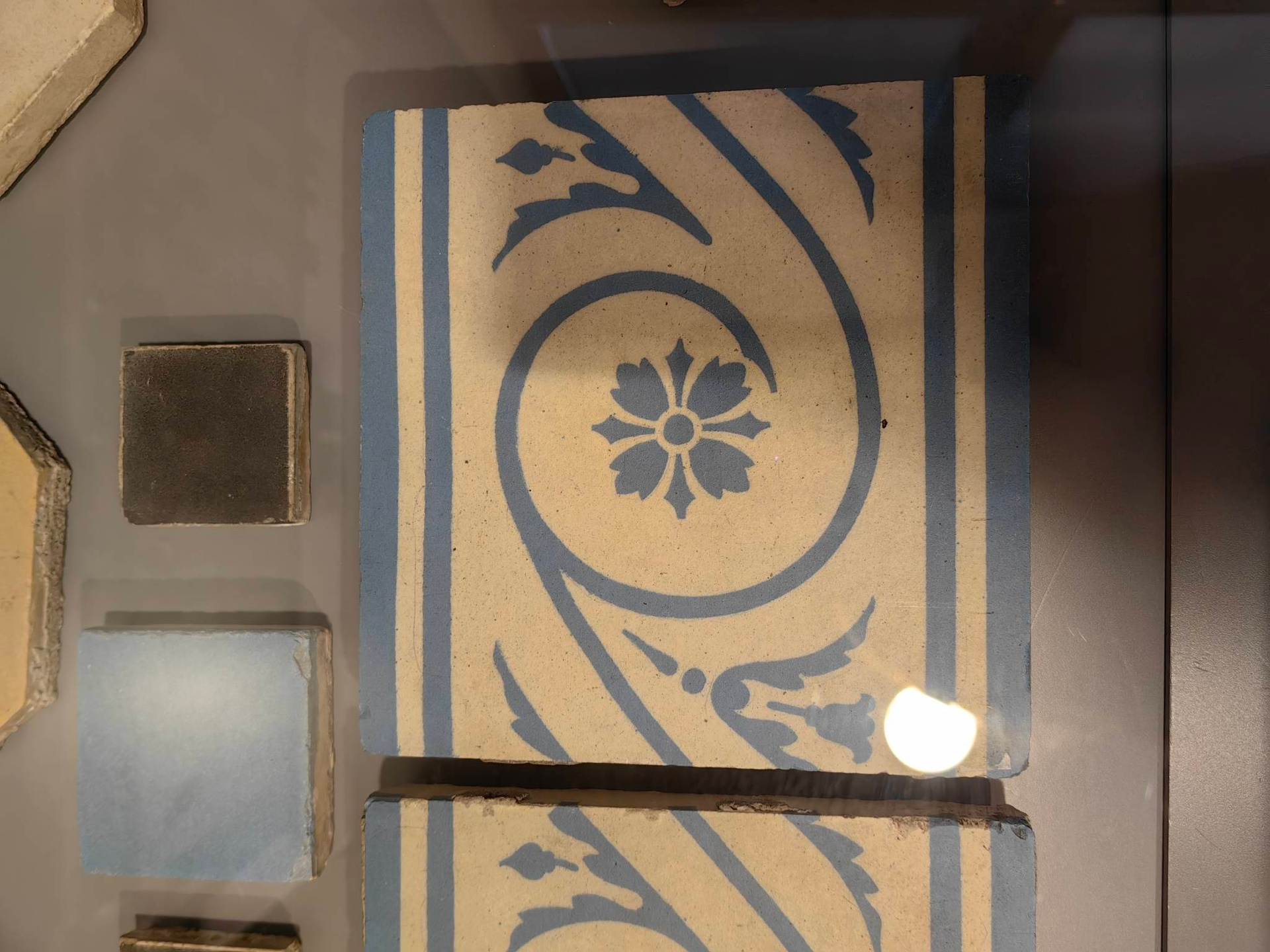
In the 17th century, Belarusian tiles acquired a modern look. Along with flat tiles, angular ones appeared, and by the end of the century ceramic elements for friezes and cornices began to be made.
At the end of the 18th century, large enterprises specializing in the production of ceramics appeared. These companies create large quantities of products for wealthy customers. The mass production of tiles for stoves begins.
Potted tiles
As a result, the bottom of the tile was heated, and a high temperature was maintained in its interior for a long time. The “potted” stoves were often small, and the tiles were embedded at intervals.
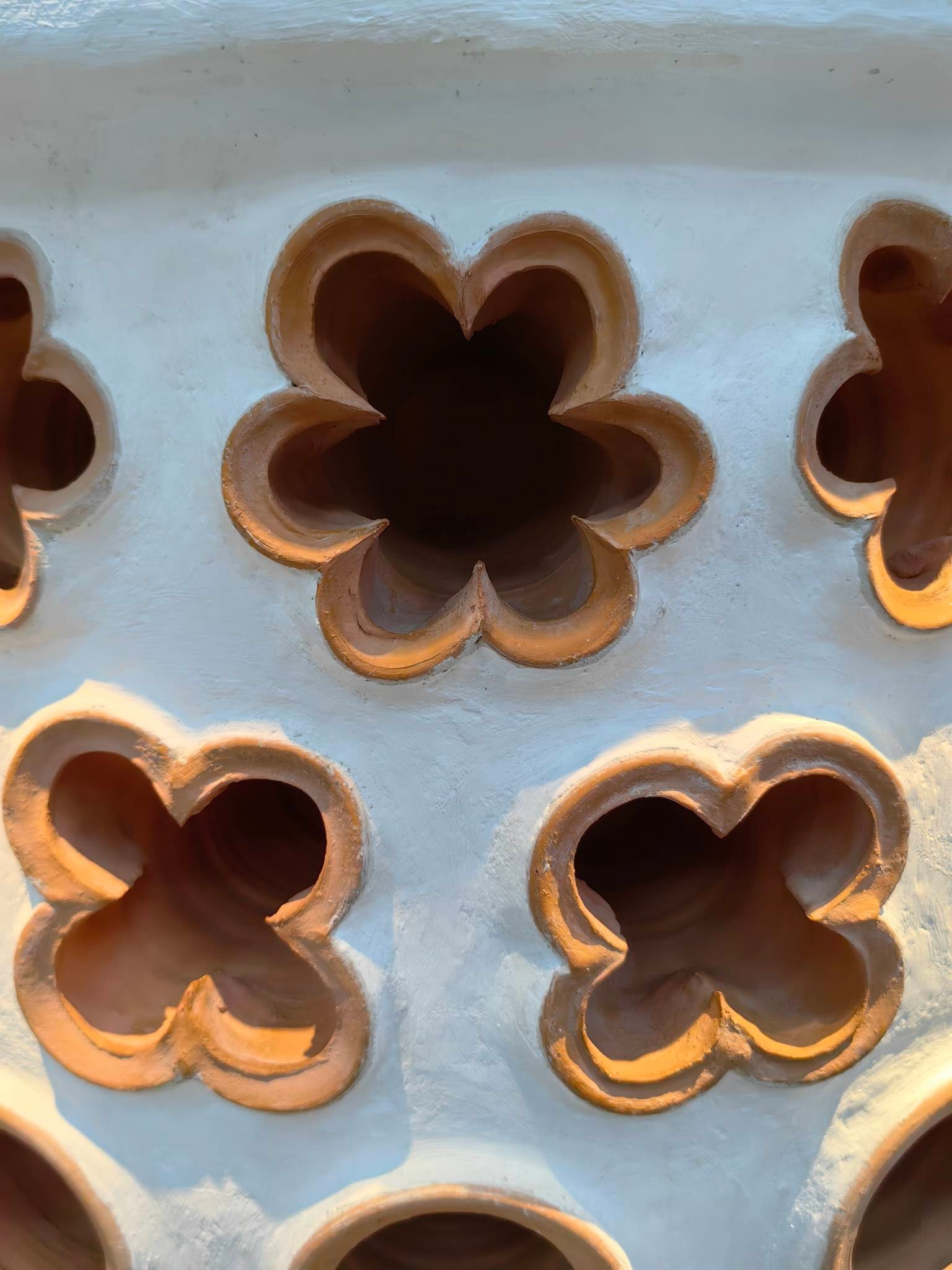
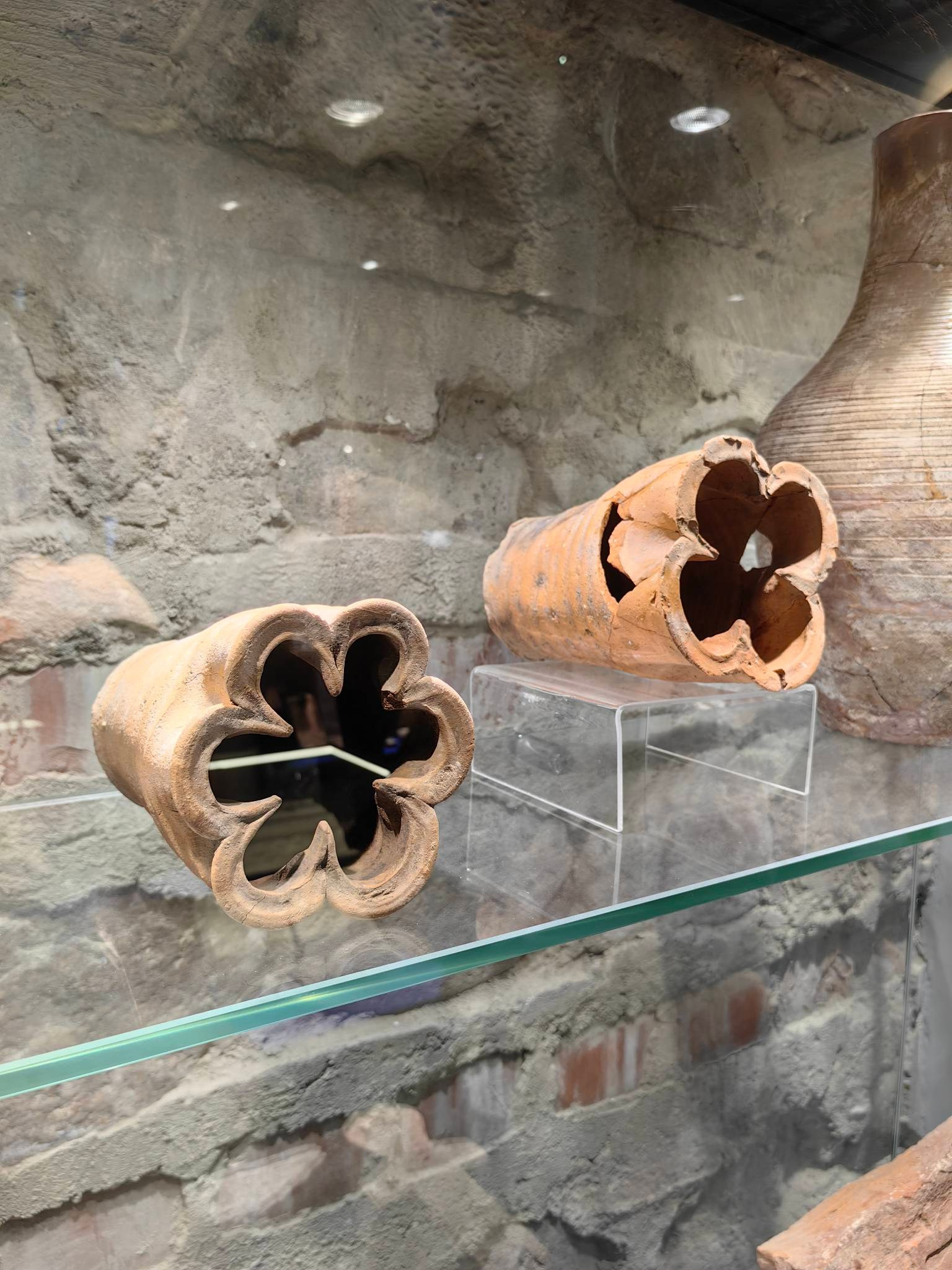
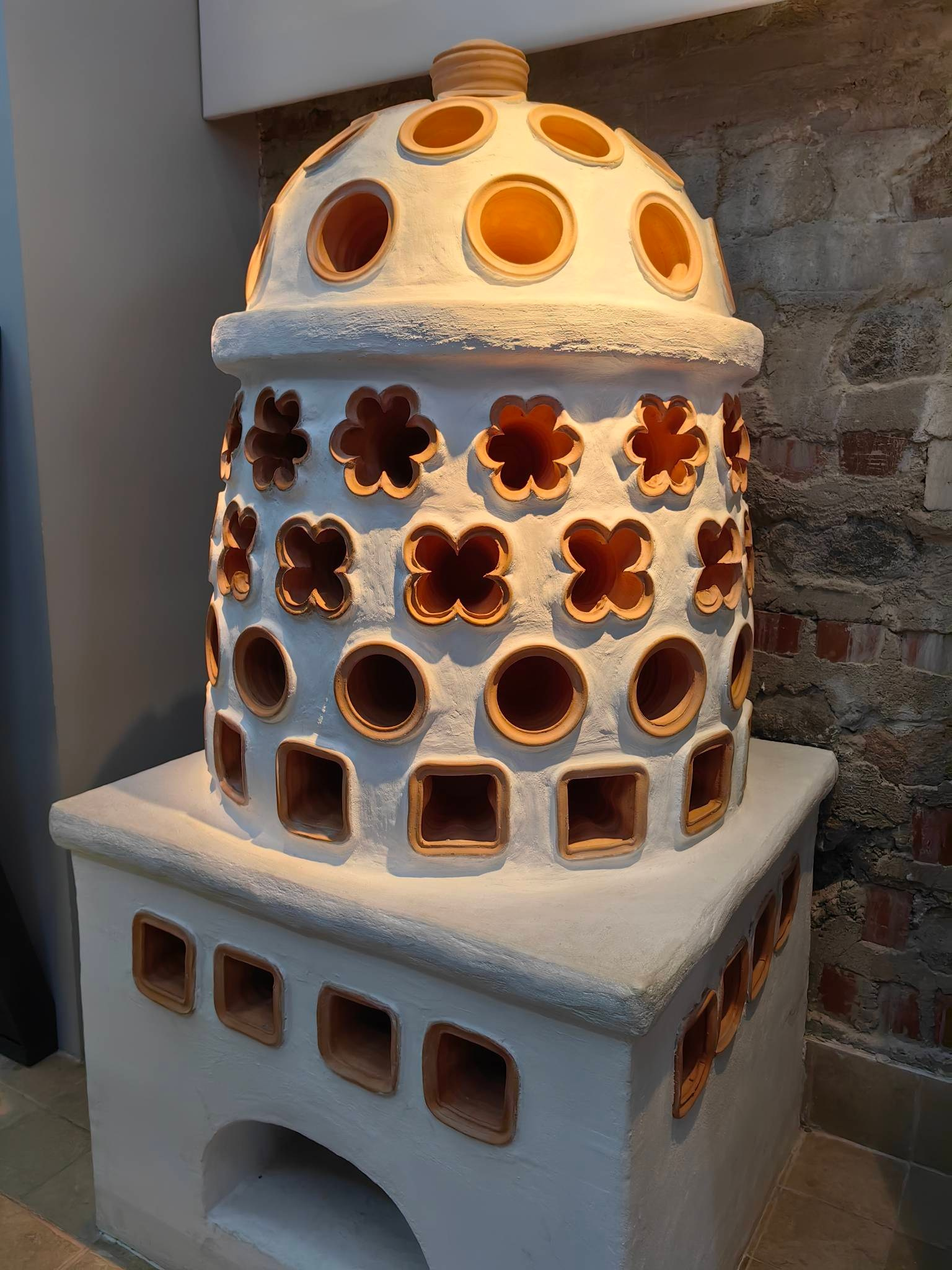
Pot furnaces of ancient Polotsk
This is a unique type of heating facilities that were used in residential and outbuildings on the territory of ancient Polotsk (modern Belarus). They represent an important element of material culture and testify to the high level of development of construction technologies and handicraft skills in this region in the X–XIII centuries.
Features of pot stoves:
1. Construction: Pot stoves get their name due to the use of ceramic pots or their fragments in the construction. These pots were built into the walls of the furnace, which made it possible to improve heat transfer and increase the efficiency of heating the room.
2. Materials: The main material for the construction of such furnaces was clay, which was widely used in ancient Polotsk due to its accessibility and heat capacity. The pots built into the oven were also made of clay and could be either whole or broken.
3. Functionality: Pot stoves were used for heating residential areas, as well as for cooking. Their design made it possible to effectively retain heat, which was especially important in cold climates.
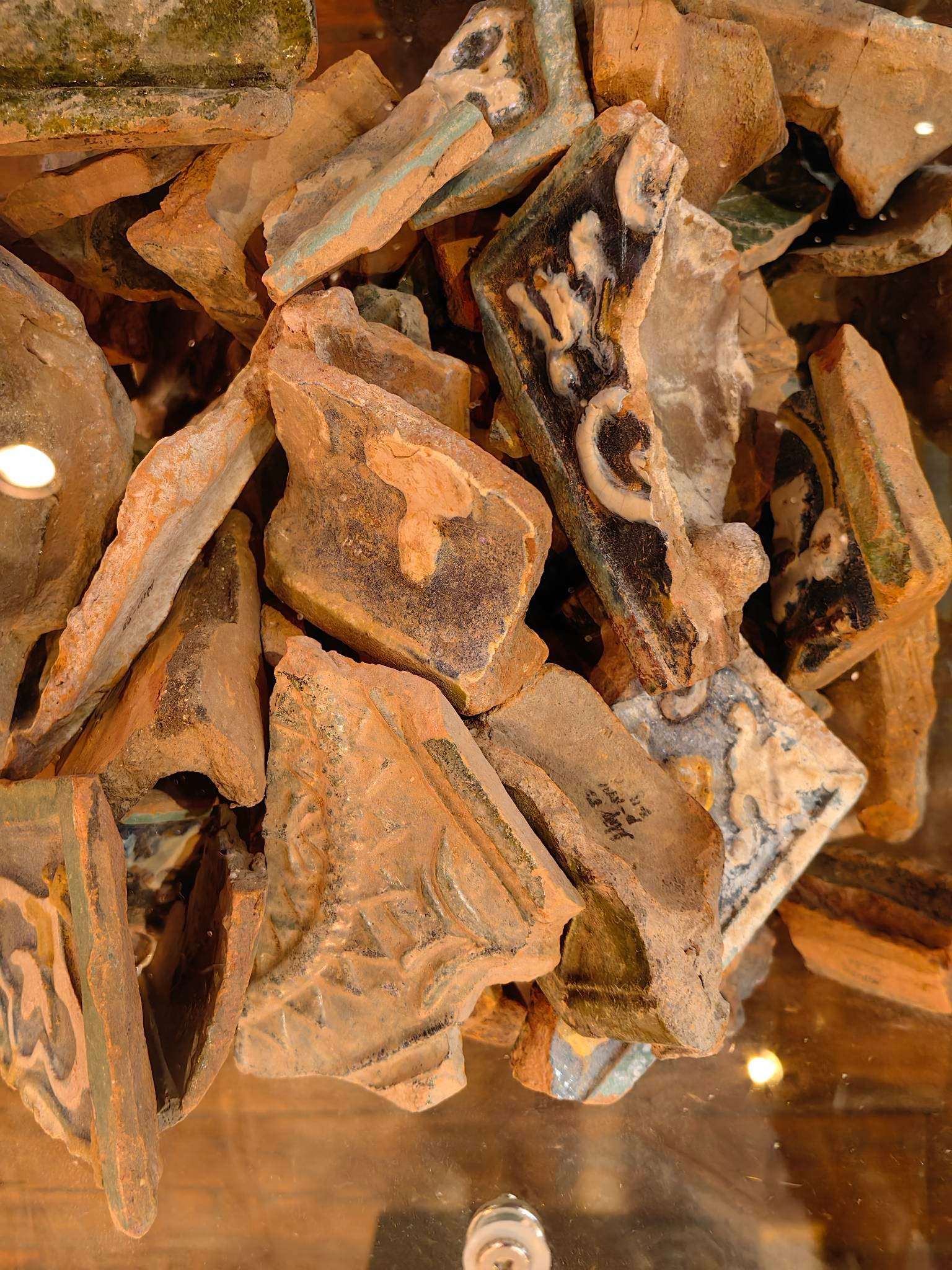
4. Archaeological finds: During excavations in Polotsk and its surroundings, archaeologists discovered many fragments of pot furnaces, including ceramic pots and parts of clay structures. These findings make it possible to reconstruct the appearance and construction technology of such furnaces.
5. Cultural significance: Pot stoves are an example of the adaptation of ancient technologies to local conditions. Their use testifies to the high level of development of pottery and construction in ancient Polotsk.
Advantages of pot stoves: -Efficiency: The use of ceramic pots in the furnace design made it possible to heat the room faster and keep the heat longer. Availability of materials: Clay and ceramics were widely available in the region, which made such furnaces economically profitable. Simplicity of construction: Pot stoves were relatively simple to build and maintain.
The pot stoves of ancient Polotsk are an important element of the cultural heritage of Belarus and testify to the high level of development of technology and crafts in this region in the Middle Ages. They also demonstrate how ancient craftsmen adapted available materials to create efficient and practical structures.
Tile painting
The first decorative stove tiles are decorated with three-dimensional molding. They have no coating and are called terracotta. Their color varies from rich red to light sandy, depending on the composition of the molded clay and the firing technology.
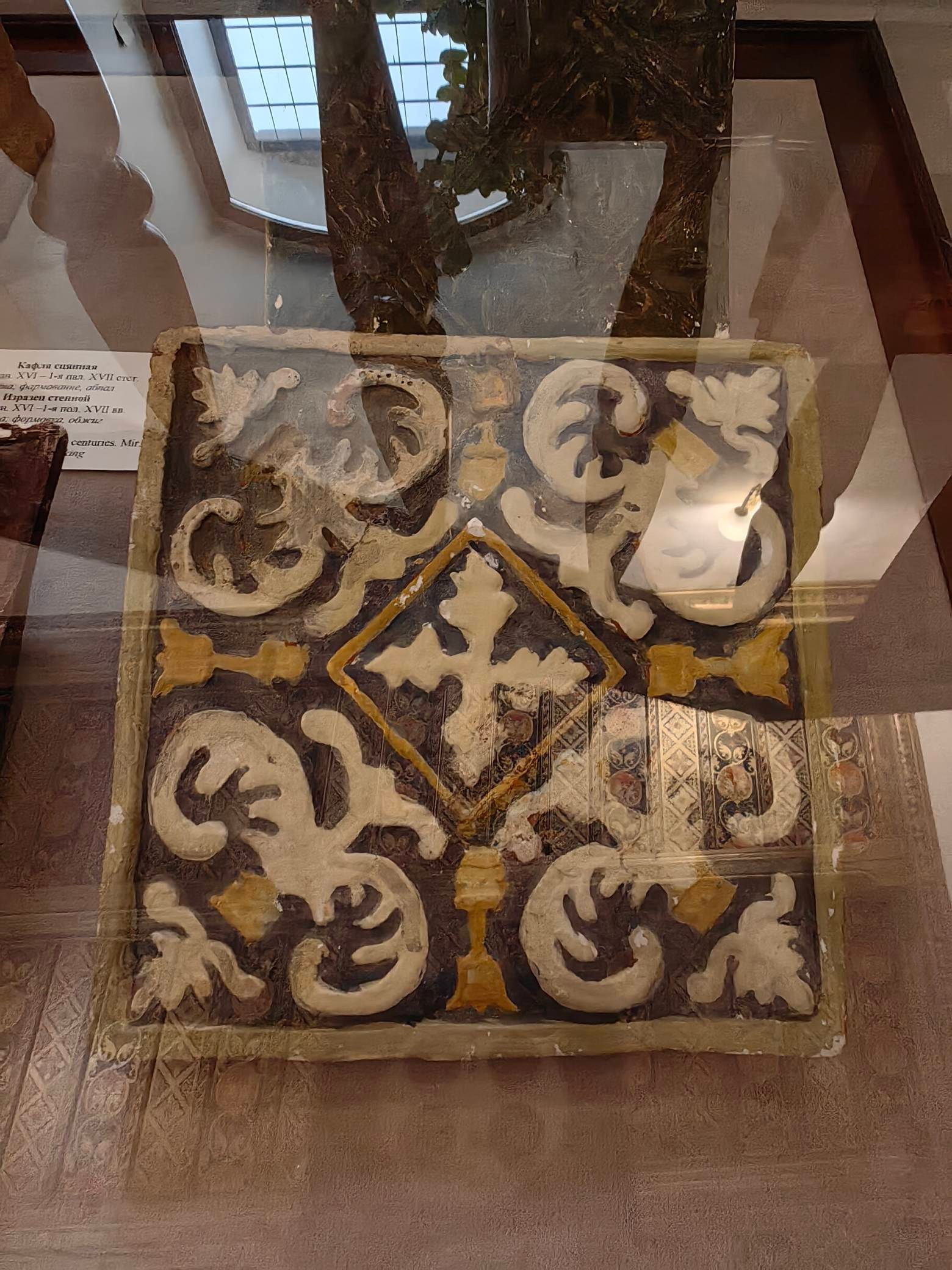
In the 16th century, ceramic products began to be glazed. Such ceramics are called majolica ceramics. Belarusian craftsmen were the first to use tin colored opaque glaze. The tiles, covered with tin glaze, began to be called “valuable” (from the German “Zinn” — tin). The masters themselves were nicknamed “the prized ones.” This period in the history of ceramics was characterized by a wealth of decoration and a variety of motifs of images. The craftsmen decorated the stove tiles with images of people and animals, fantastic creatures, used geometric patterns, Latin inscriptions and floral ornaments. The decoration of stoves with heraldic signs was also popular. The coats of arms of the clans were often used on the facades of the furnaces.


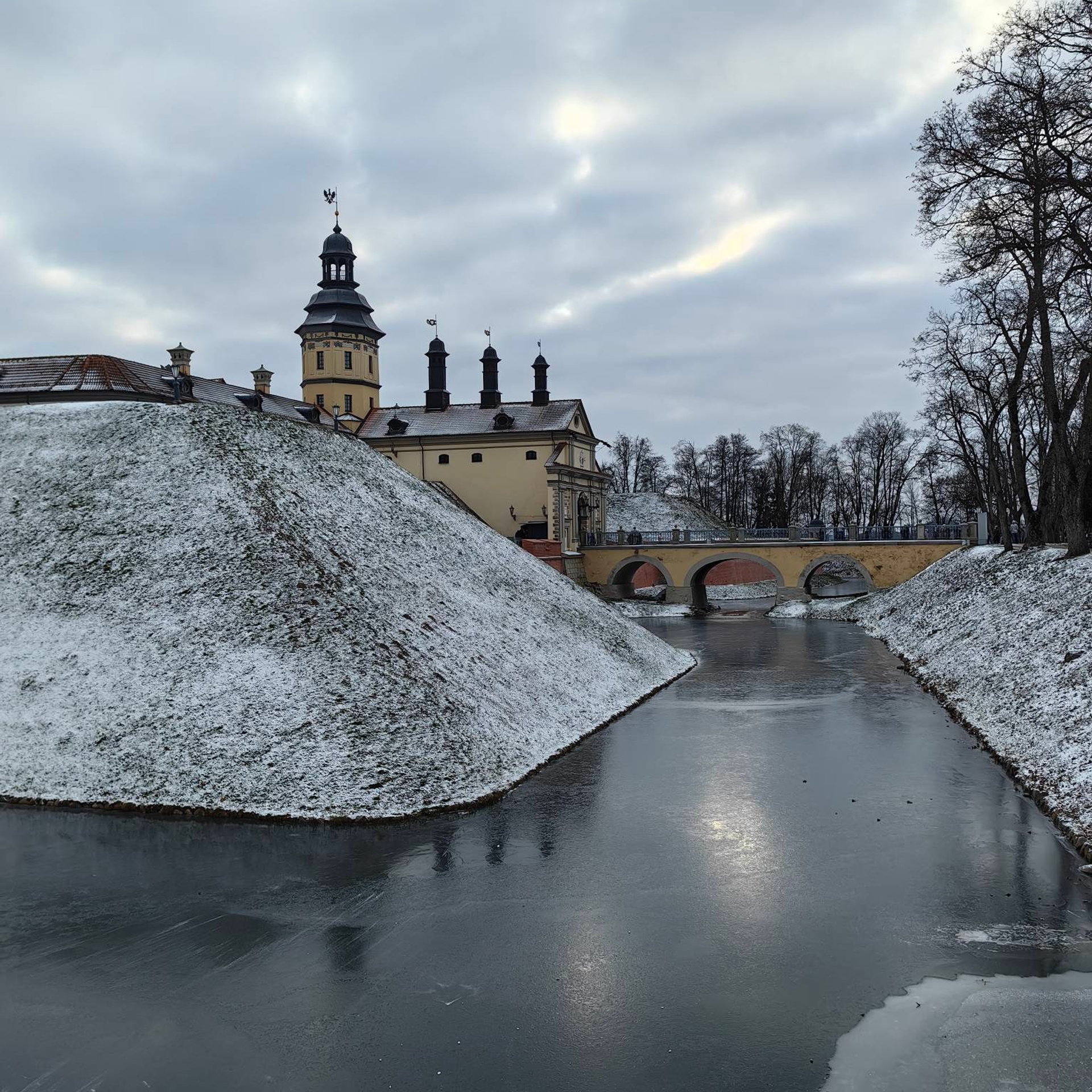
Несвижский замок в Беларуси
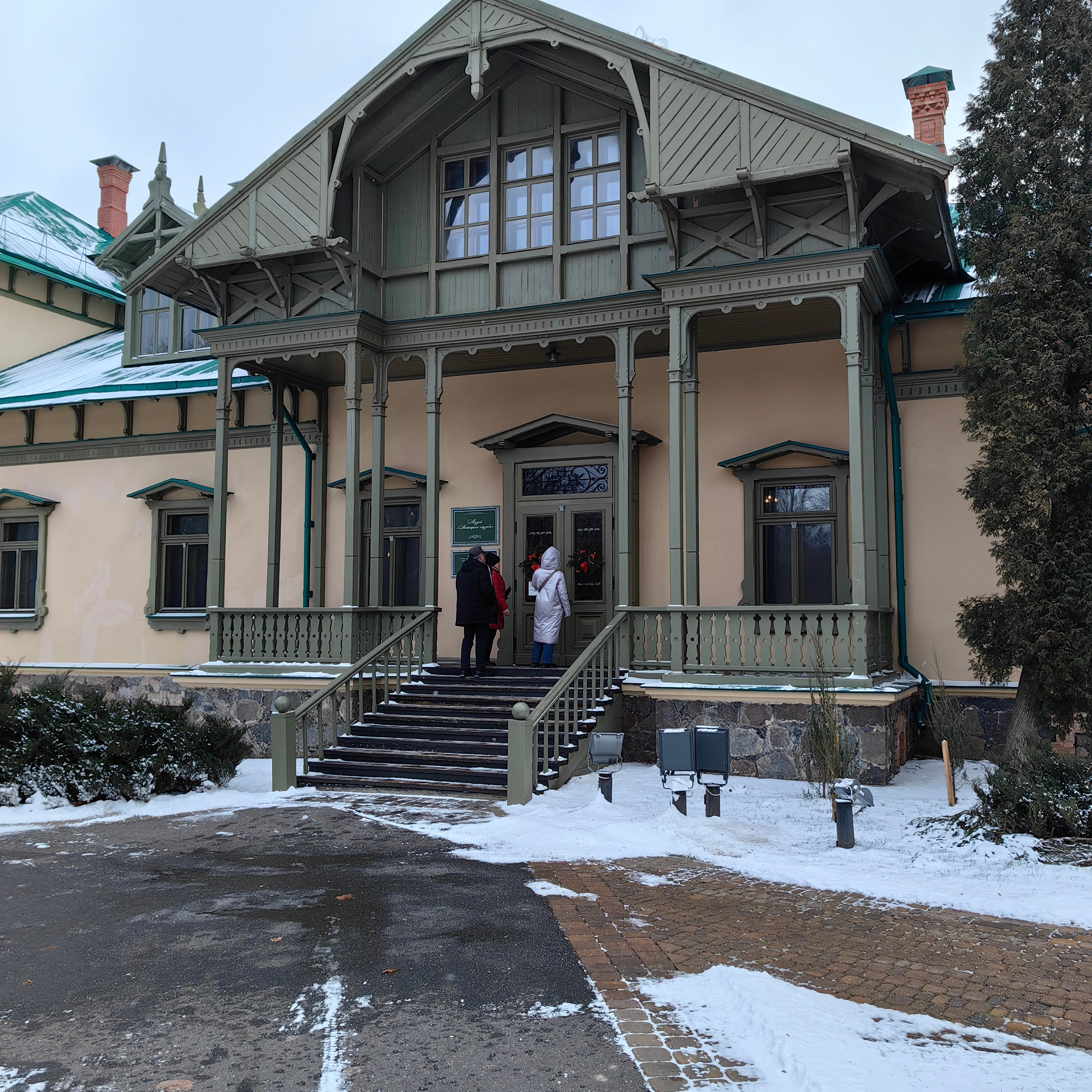
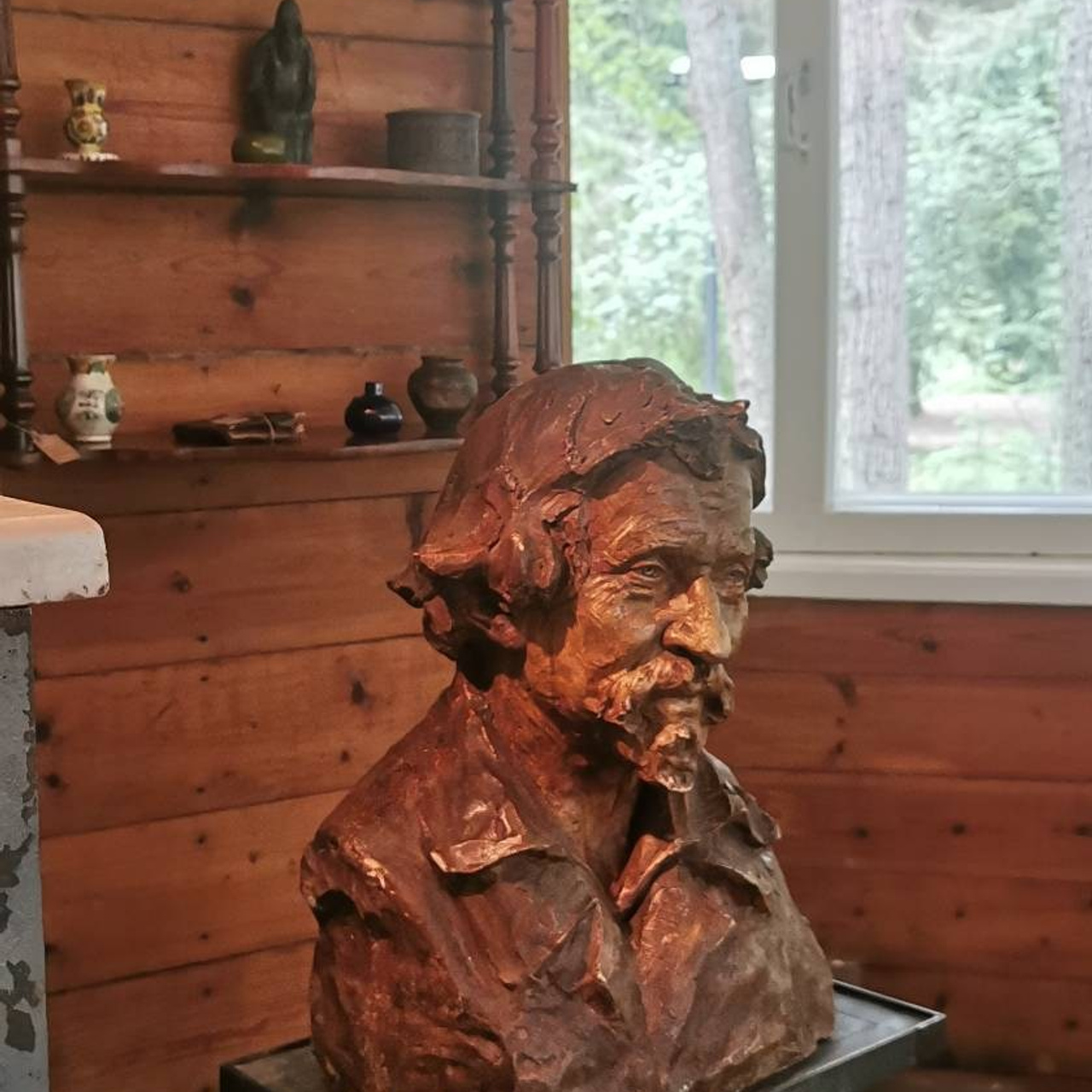
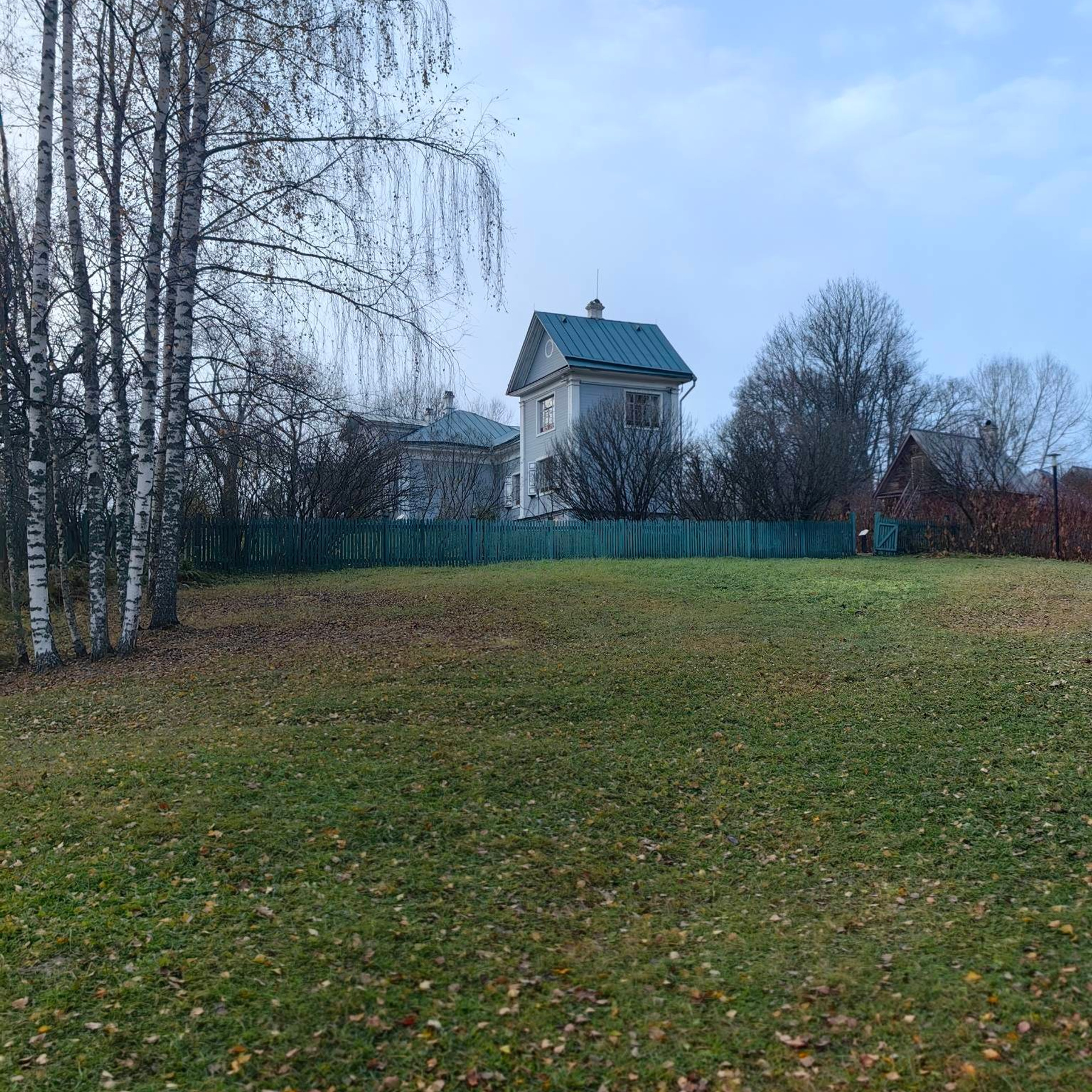
Repin’s Cottage — Penates
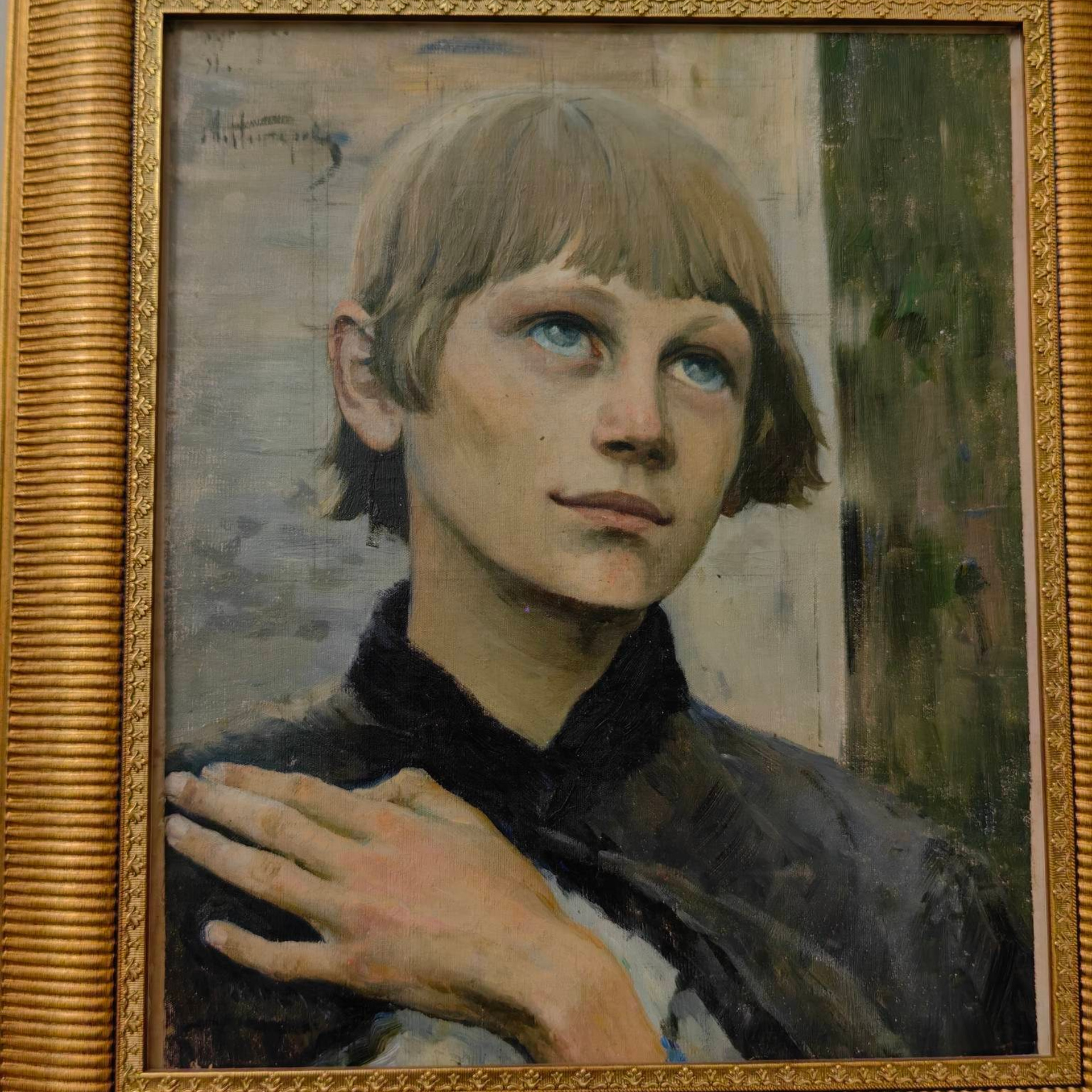
The history of the painting

Auction in KupolGallery
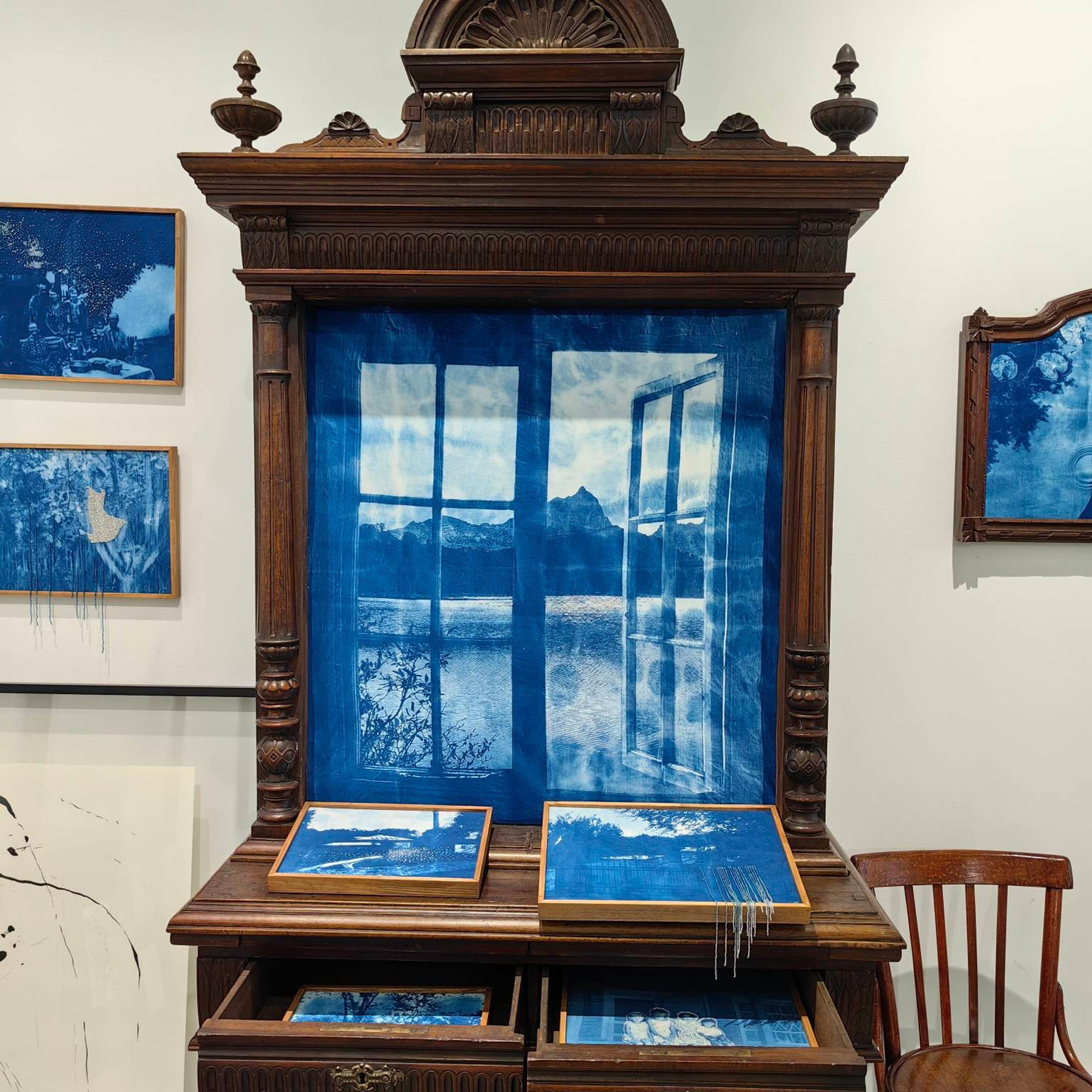
Cosmoscow 2024
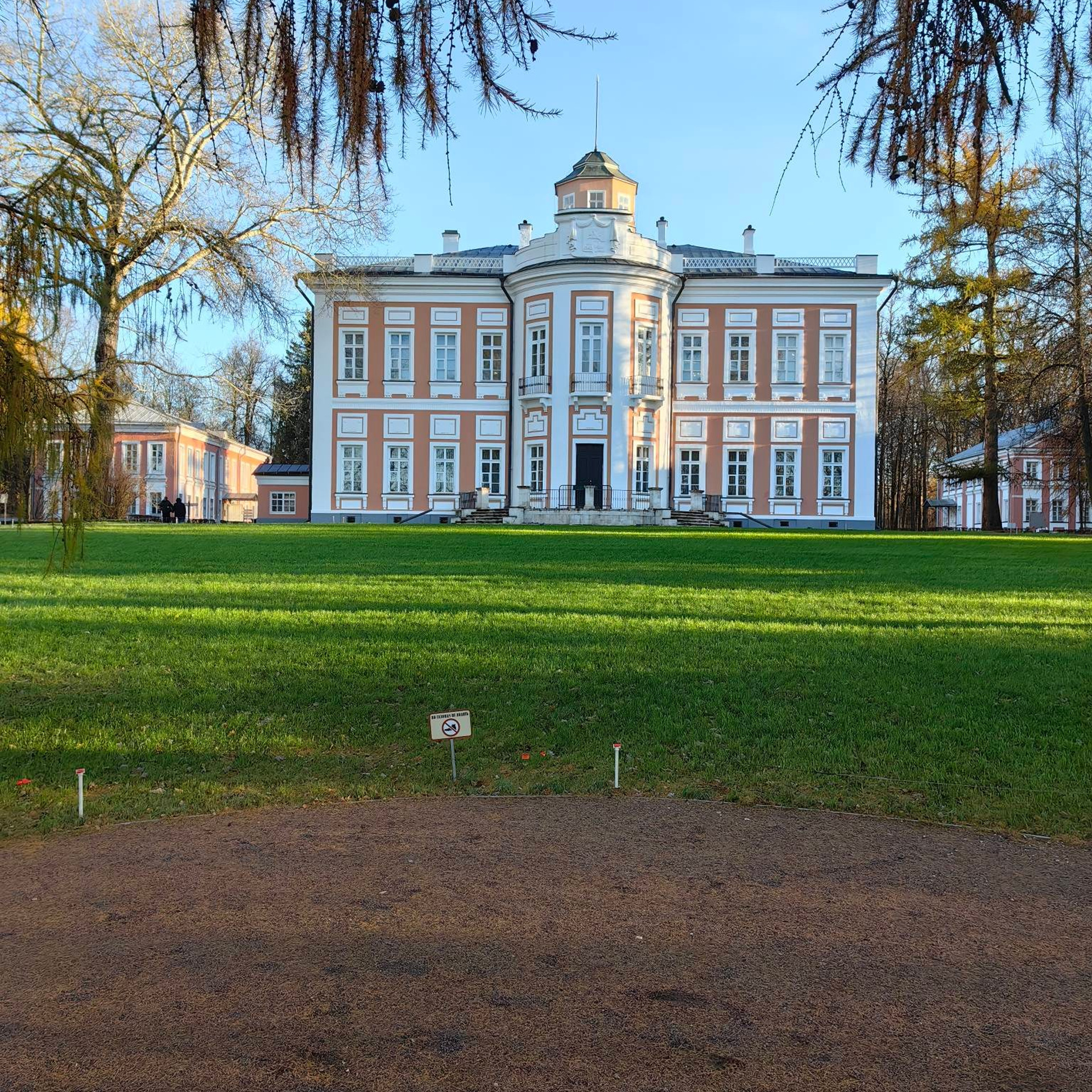
Bolshye Vyazemy Manor